
Sales enablement strategies are essential frameworks that empower sales teams with the tools, resources, and information necessary to engage effectively with prospects and customers. In an increasingly competitive marketplace, organizations are recognizing that merely having a talented sales force is not enough; they must also equip their teams with the right strategies to maximize their potential. Sales enablement encompasses a variety of practices, including training, content management, and the integration of technology, all aimed at enhancing the efficiency and effectiveness of sales processes.
The evolution of sales enablement has been significantly influenced by advancements in technology and data analytics. As businesses strive to understand their customers better, they are turning to data-driven approaches to refine their sales strategies. This shift not only enhances the sales process but also aligns sales efforts with broader organizational goals.
By leveraging analytics, companies can identify trends, measure performance, and ultimately drive revenue growth. The integration of these elements into a cohesive sales enablement strategy is crucial for organizations looking to thrive in today’s dynamic business environment.
Key Takeaways
- Sales enablement strategies are essential for driving sales success and growth in today’s competitive market.
- Analytics play a crucial role in sales enablement by providing valuable insights into customer behavior, sales performance, and opportunities for improvement.
- Leveraging data is key to identifying key sales opportunities and making informed decisions to drive revenue and growth.
- Utilizing analytics allows businesses to measure sales performance, identify areas for improvement, and make data-driven decisions to optimize sales strategies.
- Personalizing sales enablement efforts with data insights helps businesses better understand and meet the unique needs of their customers, leading to increased sales and customer satisfaction.
Understanding the Importance of Analytics in Sales Enablement
Analytics plays a pivotal role in shaping effective sales enablement strategies. By harnessing data, organizations can gain insights into customer behavior, preferences, and purchasing patterns. This information is invaluable for sales teams as it allows them to tailor their approaches to meet the specific needs of their prospects.
For instance, understanding which products or services are most frequently purchased together can help sales representatives create more compelling offers that resonate with potential buyers. Moreover, analytics enables organizations to track the effectiveness of their sales enablement initiatives. By measuring key performance indicators (KPIs) such as conversion rates, average deal size, and sales cycle length, businesses can assess the impact of their strategies and make informed adjustments as needed.
This data-driven approach fosters a culture of continuous improvement within sales teams, ensuring that they remain agile and responsive to changing market conditions.
Leveraging Data to Identify Key Sales Opportunities
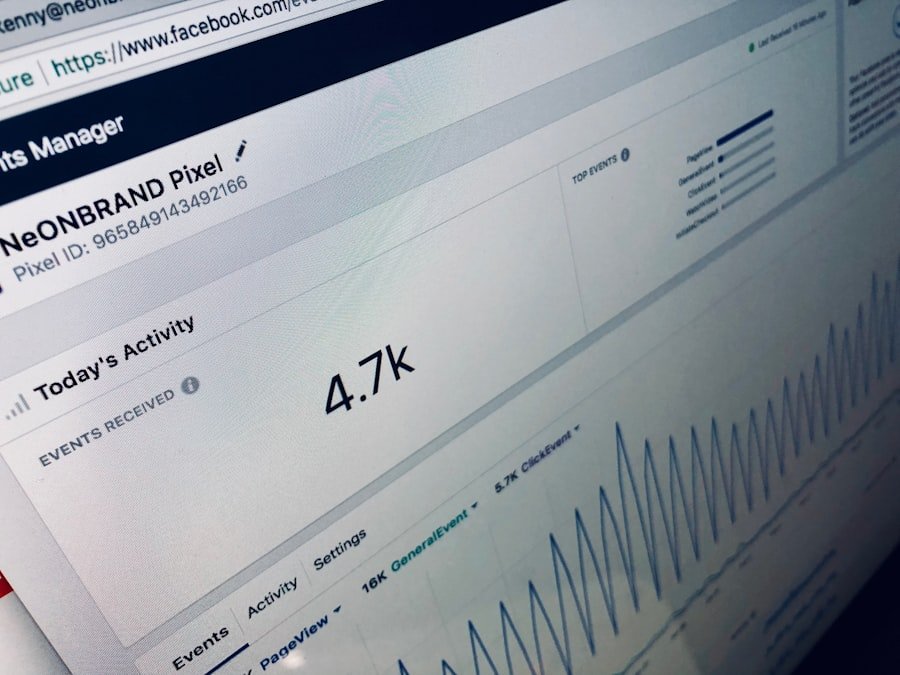
Identifying key sales opportunities is a critical component of any successful sales strategy. Data analytics provides the tools necessary to sift through vast amounts of information and pinpoint high-potential leads. For example, organizations can analyze historical sales data to identify patterns that indicate which types of customers are most likely to convert.
By segmenting prospects based on demographics, purchasing history, and engagement levels, sales teams can prioritize their efforts on leads that are more likely to yield positive results. Additionally, predictive analytics can enhance this process by forecasting future buying behaviors based on past trends. For instance, if data shows that a particular segment of customers tends to make repeat purchases after a specific time frame, sales teams can proactively reach out to these customers with targeted offers or reminders.
This proactive approach not only increases the likelihood of closing deals but also fosters stronger relationships with customers by demonstrating an understanding of their needs.
Utilizing Analytics to Measure Sales Performance
Measuring sales performance is essential for understanding the effectiveness of sales enablement strategies. Analytics provides a comprehensive view of how well sales teams are performing against established benchmarks. By utilizing dashboards and reporting tools, organizations can visualize key metrics such as win rates, pipeline velocity, and quota attainment.
This visibility allows sales leaders to identify areas where teams excel and where improvements are needed. Furthermore, analytics can help in evaluating individual sales representatives’ performance. By analyzing metrics such as call-to-close ratios or the average time taken to close deals, managers can provide targeted coaching and support to team members who may be struggling.
This data-driven approach not only enhances individual performance but also contributes to overall team success by fostering a culture of accountability and continuous learning.
Personalizing Sales Enablement Efforts with Data Insights
Personalization is a cornerstone of effective sales enablement. In an era where customers expect tailored experiences, leveraging data insights to personalize interactions is crucial for building rapport and trust. By analyzing customer data, sales teams can gain a deeper understanding of individual preferences and pain points.
This knowledge enables them to craft personalized messages and solutions that resonate with each prospect. For example, if data reveals that a particular customer has shown interest in specific product features or has previously engaged with certain types of content, sales representatives can tailor their outreach accordingly. This level of personalization not only increases the likelihood of engagement but also positions the sales team as knowledgeable partners rather than mere vendors.
As a result, customers are more likely to feel valued and understood, leading to stronger relationships and increased loyalty.
Implementing Predictive Analytics to Anticipate Customer Needs

Predictive analytics is a powerful tool that allows organizations to anticipate customer needs before they arise. By analyzing historical data and identifying patterns, businesses can forecast future behaviors and preferences. This proactive approach enables sales teams to engage with customers at the right time with the right message, significantly increasing the chances of conversion.
For instance, if predictive models indicate that a customer is likely to require additional services based on their current usage patterns, sales representatives can reach out proactively with tailored recommendations. This not only enhances the customer experience but also positions the organization as a trusted advisor that understands its clients’ evolving needs. By anticipating customer requirements, businesses can foster long-term relationships and drive repeat business.
Optimizing Sales Enablement Content with Data-Driven Insights
The content used in sales enablement plays a crucial role in influencing buyer decisions. However, not all content is created equal; some materials resonate more effectively with specific audiences than others. By leveraging data-driven insights, organizations can optimize their sales enablement content to ensure it aligns with the preferences and needs of their target audience.
For example, analyzing engagement metrics such as open rates and click-through rates for various content pieces can provide valuable insights into what resonates with prospects. If certain case studies or whitepapers consistently generate high levels of engagement, sales teams can prioritize these materials in their outreach efforts. Additionally, feedback from sales representatives regarding which content is most effective in closing deals can inform future content creation efforts, ensuring that resources are allocated efficiently.
Using Analytics to Improve Sales Training and Coaching
Sales training and coaching are integral components of any successful sales enablement strategy. However, traditional training methods may not always address the specific needs of individual team members. By utilizing analytics, organizations can tailor training programs based on performance data and skill gaps identified through assessments.
For instance, if analytics reveal that a particular representative struggles with objection handling during calls, targeted coaching sessions can be implemented to address this area specifically. Furthermore, tracking progress over time allows managers to assess the effectiveness of training initiatives and make necessary adjustments. This data-driven approach ensures that training efforts are aligned with actual performance needs, ultimately leading to more effective sales teams.
Harnessing Data to Enhance Sales Enablement Technology
The integration of technology into sales enablement strategies has transformed how organizations operate. However, simply adopting new tools is not enough; leveraging data effectively within these technologies is crucial for maximizing their potential. By harnessing data from various sources—such as customer relationship management (CRM) systems, marketing automation platforms, and social media analytics—organizations can create a comprehensive view of their sales processes.
For example, integrating CRM data with analytics tools allows organizations to track customer interactions across multiple touchpoints. This holistic view enables sales teams to understand the complete customer journey and tailor their approaches accordingly. Additionally, utilizing artificial intelligence (AI) within these technologies can further enhance data analysis capabilities, providing actionable insights that drive decision-making.
Measuring the Impact of Analytics on Sales Enablement Strategies
To truly understand the effectiveness of analytics in shaping sales enablement strategies, organizations must establish clear metrics for measurement. This involves defining key performance indicators (KPIs) that align with overall business objectives and tracking progress over time. Metrics such as revenue growth attributed to specific enablement initiatives or improvements in conversion rates following targeted training programs can provide valuable insights into the impact of analytics.
Moreover, conducting regular reviews of these metrics allows organizations to assess what is working well and where adjustments may be needed. By fostering a culture of data-driven decision-making within the sales organization, businesses can continuously refine their enablement strategies based on empirical evidence rather than assumptions.
The Future of Sales Enablement and Analytics
As we look toward the future of sales enablement, it is clear that analytics will continue to play an increasingly vital role in shaping effective strategies. The ability to leverage data for insights into customer behavior, performance measurement, and personalized engagement will be paramount for organizations seeking a competitive edge. As technology continues to evolve, so too will the tools available for harnessing analytics in support of sales enablement efforts.
In this dynamic landscape, organizations must remain agile and open to adopting new methodologies that enhance their understanding of both their teams and their customers. By embracing a culture of continuous improvement driven by data insights, businesses will be well-positioned to navigate the complexities of modern selling while fostering lasting relationships with their clients.