We often find ourselves at a crossroads when discussing customer retention, particularly in the realm of renewals. The question that frequently arises is how to best manage these critical junctures for our customers. Do we lean into the efficiency and scalability of digital Customer Success Management (CSM), or do we prioritize the deep, personal connections offered by high-touch renewal teams? The truth, as we have come to understand, is that it’s rarely an either/or proposition. Our most successful retention strategies are built on segmentation, recognizing that different customers, at different stages of their journey, require distinct approaches. This article delves into how we, as a collective, can effectively segment our renewal efforts, leveraging both digital CSM and high-touch models to maximize customer lifetime value and nurture enduring relationships.
Before we can segment, we must have a clear understanding of the two core approaches we’re working with. Digital CSM and high-touch renewals are not mutually exclusive; they are distinct tools in our retention arsenal, each with its own strengths and optimal use cases.
The Power of Digital CSM for Renewals
Digital CSM focuses on providing proactive and reactive support through automated channels and self-service resources. Think of it as a scalable, efficient engine for managing a large volume of customer interactions. For renewals, this translates to automated reminders, in-app notifications, and a robust knowledge base.
Automated Renewal Workflows
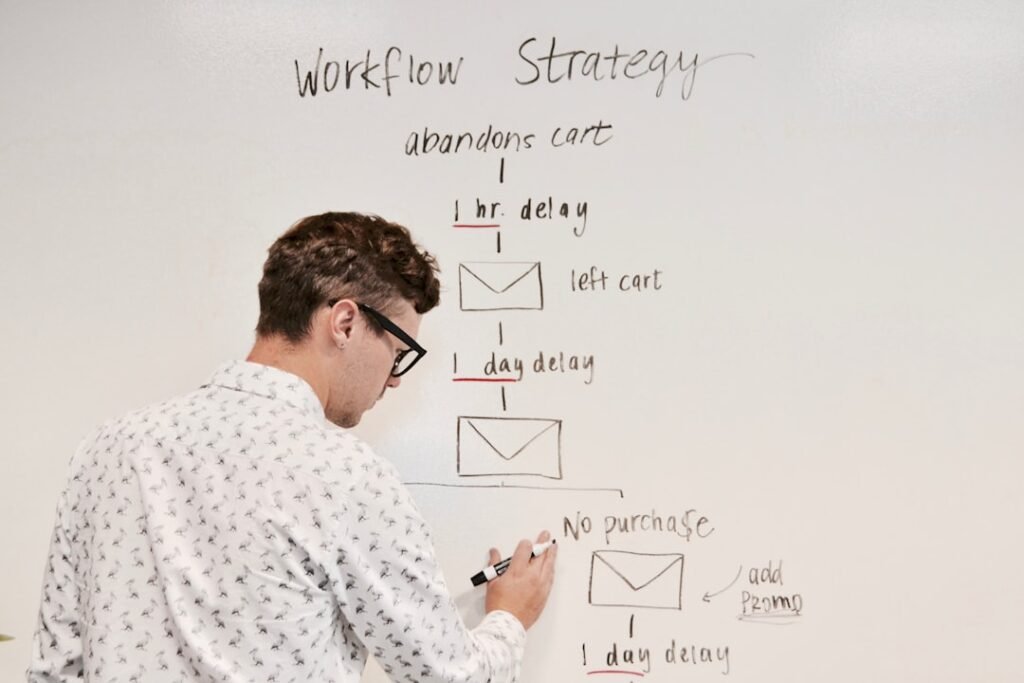
We’ve implemented sophisticated automated workflows that trigger well in advance of a customer’s renewal date. These systems track contract terms, usage patterns, and engagement levels. Based on this data, they can automatically send tailored renewal quotes, offer relevant upsell or cross-sell opportunities, or proactively flag accounts that might require further attention. This not only ensures that no renewal opportunity falls through the cracks but also frees up our human resources for more complex issues.
Self-Service Renewal Portals
A key component of our digital CSM approach is the development of intuitive self-service renewal portals. Customers can log in, view their upcoming renewal details, understand their current subscription, and even make adjustments or choose different plans without needing to speak to anyone. This empowers customers and provides them with a convenient, on-demand solution.
Proactive Health Scoring and Alerts
Our digital CSM platforms also incorporate health scoring mechanisms. By analyzing various data points – feature adoption, support ticket volume, engagement with our platform, and even sentiment analysis from any digital interactions – we can assign a health score to each customer account. Automated alerts are then triggered when a customer’s health score drops, allowing for early intervention before they even consider not renewing.
The Enduring Value of High-Touch Renewals
High-touch renewals, on the other hand, are characterized by personalized, human-led interactions. This is where our most experienced CSMs and renewal specialists engage directly with customers. It’s about building relationships, understanding nuanced business needs, and providing bespoke solutions that a digital system might struggle to replicate.
Deep Relationship Building
The core of high-touch is relationship building. Our CSMs invest time in understanding our customers’ evolving business objectives, challenges, and priorities. This deep understanding allows them to position our solutions not just as a product, but as a strategic partner in their success. For renewals, this means a conversation that goes beyond the transactional; it’s about reaffirming value and discussing future growth.
In exploring the nuances of customer retention strategies, the article on Digital CSM vs. High-Touch Renewals highlights the importance of segmenting approaches based on customer needs. For those interested in enhancing their understanding of effective decision-making techniques that can complement these strategies, a related article can be found in the review of Edward de Bono’s Six Thinking Hats. This resource provides valuable insights into structured thinking that can aid in developing a more comprehensive retention strategy. You can read more about it here.
Strategic Account Reviews and Planning
For our most strategic accounts, we conduct regular, in-depth strategic account reviews. These meetings, often led by senior CSMs or account managers, involve mapping out the customer’s future needs and how our offerings can continue to support their expansion. This collaborative planning process naturally leads into a seamless renewal conversation where the value proposition is evident and agreed upon.
Negotiating Complex Deals and Customizations
High-touch is essential when dealing with complex contracts, custom integrations, or significant upsell/cross-sell opportunities that require nuanced negotiation. Our human experts can navigate these complexities, understand the customer’s specific budgetary constraints, and craft mutually beneficial agreements.
Handling Escalations and Sensitive Situations
When a customer is facing significant challenges or expresses dissatisfaction, a high-touch approach is often non-negotiable. A empathetic and experienced human can de-escalate a situation, understand the root cause of dissatisfaction, and work towards a resolution that preserves the customer relationship and secures the renewal.
In exploring the nuances of customer retention strategies, it’s beneficial to consider the insights provided in the article “Describe Your Management Philosophy,” which discusses the importance of leadership approaches in driving team performance and customer satisfaction. Understanding how management philosophies can influence retention tactics can enhance the effectiveness of both digital customer success management (CSM) and high-touch renewals. For more information, you can read the article here: Describe Your Management Philosophy.
Segmenting Our Renewal Strategy: The Foundation of Effective Retention
The critical insight we’ve gained is that a one-size-fits-all approach to renewals is destined for mediocrity. By segmenting our customer base, we can strategically allocate our resources, ensuring that each customer receives the right level of attention and support to encourage their continued partnership.
Identifying Key Segmentation Criteria
To effectively segment, we need to define the criteria that best differentiate our customers and their renewal needs. This isn’t a static list; it evolves as our product, market, and customer base mature.
Customer Value and Revenue Potential
This is perhaps the most straightforward segmentation. We segment based on the current revenue generated by an account and its potential for future growth. High-value accounts often warrant a higher touch, while lower-value accounts might be best served digitally.
High-Value Enterprise Accounts
These are our flagship customers, representing a significant portion of our revenue and often acting as reference clients. They demand the highest level of service and strategic engagement.
Mid-Market Accounts
These accounts are substantial and represent a good growth opportunity. They require a balance of personalized attention and efficient digital support.
Small Business and Individual Accounts
For our smaller customer segments, efficiency is paramount. A digital-first approach with occasional human intervention for complex issues is typically the most scalable and cost-effective.
Product Adoption and Usage Levels
How deeply and effectively a customer is utilizing our product is a strong indicator of their satisfaction and likelihood to renew. Low adoption often signals churn risk, while high adoption signals a deeply embedded value.
Power Users and Advocates
These customers are maximizing the value of our platform, often leveraging advanced features and advocating for our product internally and externally. They are prime candidates for upsells and are highly likely to renew.
Occasional Users with Growth Potential
These customers use our product but haven’t fully tapped into its capabilities. Segmenting them allows us to provide targeted digital resources or occasional high-touch outreach to encourage deeper adoption and secure their renewal.
Low-Engagement Accounts at Risk
These accounts often signal a need for intervention. Identifying them early through digital health scores allows us to either deploy a targeted digital re-engagement campaign or escalate to a high-touch CSM for a crucial conversation.
Customer Health Score and Churn Risk
As mentioned earlier, our digital CSM systems provide valuable health scores. This data is invaluable for segmentation, allowing us to prioritize proactive interventions.
Healthy and Thriving Accounts
These customers are demonstrating strong engagement, high product adoption, and positive sentiment. They might be candidates for digital renewal processes with opportunities for strategic upsells.
Accounts Showing Early Signs of Concern
These accounts may have declining usage, an increase in support tickets, or negative sentiment. They require closer monitoring and potentially a more personalized intervention.
High-Risk Accounts Requiring Immediate Attention
These are accounts that are actively disengaging or have explicitly expressed dissatisfaction. They demand immediate, high-touch intervention to salvage the relationship and secure the renewal.
Business Maturity and Industry
The stage of a customer’s business and their industry can also influence their renewal needs. A fast-growing startup might have different requirements than a mature, established enterprise.
Rapidly Growing Startups
These businesses often have evolving needs and budget constraints. Our approach might focus on flexibility and scalable solutions.
Established Enterprises with Complex Structures
These organizations may have lengthy procurement cycles and require deep integration with existing systems. High-touch is essential here.
Niche Industry-Specific Needs
Some industries have unique compliance or operational requirements. Segmenting by industry allows us to tailor our renewal messaging and support accordingly.
Implementing Digital CSM for Specific Segments

Once we’ve segmented our customer base, we can strategically deploy our digital CSM capabilities to optimize renewals for certain segments, particularly those that benefit from efficiency and scalability.
Streamlining Renewals with Automated Digital Workflows
For the segments identified as best suited for digital engagement, we automate as much of the renewal process as possible.
Proactive Renewal Notifications and Reminders
We deploy a series of automated email and in-app notifications leading up to the renewal date. These are personalized based on the customer’s segment and their specific contract terms.
Early Bird Discounts and Incentives
To encourage timely renewals, we often offer early bird discounts or special incentives through our automated digital campaigns.
Tiered Communication Cadence
The frequency and tone of our automated communications are adjusted based on the customer’s segment and their engagement levels.
In-App Renewal Prom
FAQs

What is Digital CSM?
Digital CSM, or Customer Success Management, refers to the use of digital tools and technology to manage and support customer relationships. This can include automated email campaigns, customer success software, and online customer support portals.
What are High-Touch Renewals?
High-Touch Renewals refer to a customer retention strategy that emphasizes personalized, one-on-one interactions with customers. This can include in-person meetings, phone calls, and personalized account management.
How can companies segment their retention strategy?
Companies can segment their retention strategy by dividing their customer base into different groups based on factors such as customer lifetime value, product usage, and customer satisfaction. This allows for a more targeted and personalized approach to customer retention.
What are the benefits of Digital CSM?
Digital CSM allows for greater scalability and efficiency in managing customer relationships. It can also provide valuable data and insights into customer behavior and preferences, which can inform retention strategies.
What are the benefits of High-Touch Renewals?
High-Touch Renewals can lead to stronger customer relationships and increased customer loyalty. Personalized interactions can also help to address customer concerns and provide tailored solutions, leading to higher retention rates.