
Building a diverse talent pipeline isn’t just a nice-to-have; it’s essential for a thriving department. It means consistently bringing in people with different backgrounds, experiences, and perspectives. This leads to better problem-solving, more innovation, and a stronger team overall. My approach is about being intentional and strategic, not just hoping for diversity to happen by chance. It’s a multi-faceted process that starts with understanding what we need and then actively seeking out that talent.
Before we can build anything, we need to know what we’re building for and where we stand. This isn’t about setting quotas; it’s about understanding the skills, experiences, and perspectives that will make our department most effective and resilient. It’s also about honestly assessing our current team to identify any gaps or areas where we might be unintentionally limiting ourselves.
Defining What Diversity Means for Us
Diversity is a broad term. For our department, it means more than just ticking boxes. It encompasses a wide range of characteristics that contribute to unique viewpoints and problem-solving abilities. This includes but isn’t limited to:
Gender and Ethnicity
This is often the first thing people think of when discussing diversity. Ensuring representation across genders and ethnic backgrounds brings a wider range of lived experiences and cultural insights into our decision-making processes.
Age and Generational Perspectives
Different age groups bring distinct approaches to work, technology adoption, and problem-solving. A mix of early-career professionals, mid-career experts, and seasoned veterans fosters mentorship, knowledge transfer, and a broader understanding of market trends.
Socioeconomic Backgrounds
Individuals from varied socioeconomic backgrounds often possess unique resilience, resourcefulness, and a deep understanding of different customer segments. Their experiences can challenge assumptions and lead to more inclusive product development and service delivery.
Educational and Professional Backgrounds
We shouldn’t limit ourselves to candidates with identical career paths. Hiring individuals with diverse educational degrees and from different industries or functional areas can introduce fresh ideas and innovative methodologies. Think about bringing in someone with a psychology background for a tech role, or a marketing specialist for a product development team.
Cognitive Diversity and Learning Styles
This is about recognizing that people think and learn differently. Some thrive on structure, others on ambiguity. Some are visual learners, others kinesthetic. Acknowledging and valuing these differences allows us to create an environment where everyone can contribute their best.
Conducting a Current State Assessment
We need to take a hard look at our existing team. This isn’t about judgment, but about objective analysis.
Analyzing Existing Demographics
We’ll look at the demographic makeup of our current department. This will involve gathering data on gender, ethnicity, age, and other relevant factors. The goal is to identify any imbalances or underrepresentation.
Reviewing Past Hiring Trends
Understanding our history is crucial. Have our past hiring practices led to a homogeneous workforce? What were the sources of our previous hires? This analysis helps us identify potential biases that may have crept into our recruitment processes.
Gathering Feedback from the Team
Our current team members are invaluable sources of information. We can conduct anonymous surveys or focus groups to understand their perceptions of diversity and inclusion within the department and identify any barriers they believe exist. This feedback helps us understand the lived experience of our current employees.
Building a diverse talent pipeline for our department is essential to fostering innovation and creativity. Our approach involves actively seeking candidates from various backgrounds and experiences, ensuring that we create an inclusive environment where everyone feels valued. We implement targeted outreach programs, partner with organizations that support underrepresented groups, and prioritize diversity in our recruitment strategies. For further insights on how to enhance learning experiences through diverse perspectives, you may find this article helpful: How to Incorporate the Principles of Design into E-Learning.
Proactive Sourcing Strategies
Once we know what we’re looking for, we need to actively go out and find it. This means looking beyond our usual networks and actively seeking out underrepresented groups. It’s about casting a wider net, but doing so with purpose.
Expanding Our Recruitment Channels
Relying on a single job board or a few well-trodden paths won’t cut it. We need to diversify where we advertise and how we reach potential candidates.
Partnering with Diverse Professional Organizations
There are numerous professional organizations dedicated to supporting underrepresented groups in various fields. Collaborating with these groups allows us to tap into a pre-qualified pool of talent and demonstrate our commitment to their communities. Examples include organizations for women in tech, minority engineers, or LGBTQ+ professionals.
Engaging with Universities and Colleges with Diverse Student Bodies
Universities and colleges with a strong commitment to diversity can be excellent sources of emerging talent. We should aim to build relationships with career services departments and student affinity groups at institutions that attract a wide range of students. This could involve participating in career fairs, hosting informational sessions, or offering internships.
Utilizing Niche Job Boards and Online Communities
Beyond the major job boards, there are specialized platforms that cater to specific demographics or skill sets. We’ll identify and utilize these platforms to reach a more targeted audience. This also includes engaging in online communities and forums where diverse professionals congregate.
Building Relationships and Building Trust
Talent acquisition is not just about posting jobs; it’s about building genuine connections. For diverse candidates, trust and a sense of belonging are paramount.
Attending Diversity-Focused Career Fairs and Events
These events are specifically designed to connect employers with diverse talent. Actively participating shows our commitment and provides opportunities for genuine interaction.
Sponsoring and Supporting Diversity Initiatives
Beyond just attending events, we can demonstrate our commitment by sponsoring or actively supporting initiatives that promote diversity in our industry. This could involve scholarships, mentorship programs, or community outreach.
Engaging with Talent in Non-Traditional Ways
Sometimes, the best talent isn’t actively looking for a job. We can engage with potential candidates through informational interviews, networking events, or even by simply reaching out on professional platforms to express admiration for their work and open a dialogue about future possibilities.
Inclusive Hiring Practices
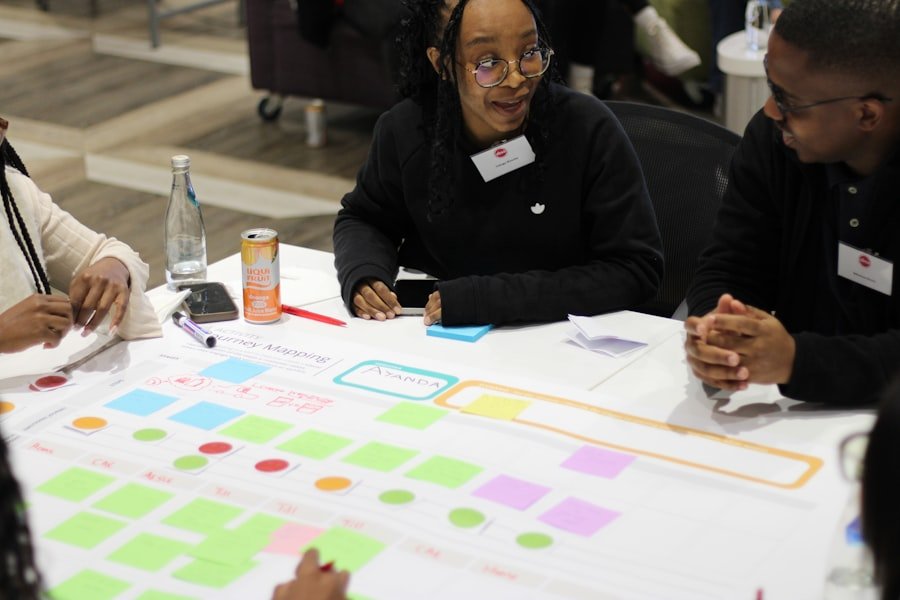
Simply sourcing diverse talent isn’t enough if our hiring process itself inadvertently screens them out. We need to ensure our practices are fair, equitable, and welcoming to everyone.
Devising Unbiased Job Descriptions
The language we use in job postings can unintentionally deter certain candidates. We need to be mindful of this.
Using Gender-Neutral Language
Avoiding gendered terms and focusing on essential skills and responsibilities is key. Tools are available to scan job descriptions for biased language.
Focusing on Essential Skills and Qualifications, Not Pedigree
We need to clearly articulate the must-have skills and experience, rather than focusing on specific degrees or previous employers. This opens the door for candidates with non-traditional backgrounds who possess the necessary competencies.
Clearly Stating Our Commitment to Diversity and Inclusion
Explicitly stating our commitment in the job description reassures candidates that they will be joining an inclusive environment.
Rethinking the Interview Process
Interviews are often where unconscious biases can creep in most significantly. We need to structure them to minimize this risk.
Standardizing Interview Questions and Evaluation Criteria
Developing a consistent set of interview questions that are applied to all candidates for a given role ensures a more objective comparison. We will also establish clear evaluation criteria based on essential skills and competencies.
Training Interviewers on Unconscious Bias
Providing training for all individuals involved in the hiring process is crucial. This helps them recognize and mitigate their own unconscious biases that might influence their judgment.
Implementing Diverse Interview Panels
Ensuring that interview panels are composed of individuals with diverse backgrounds and perspectives can help to challenge assumptions and provide a more balanced assessment of candidates.
Utilizing Skills-Based Assessments
Where appropriate, incorporating practical, skills-based assessments can provide a more objective measure of a candidate’s abilities than traditional interviews alone. This could involve coding challenges, case studies, or portfolio reviews.
Nurturing and Developing Talent
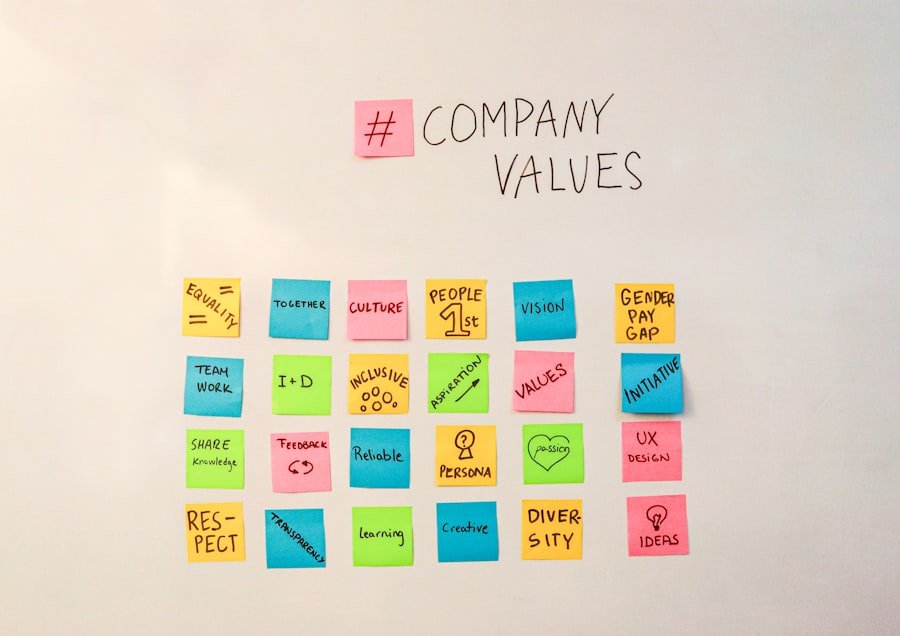
Attracting diverse talent is only the first step. To build a truly diverse pipeline, we need to create an environment where everyone can thrive, grow, and feel a sense of belonging.
Creating a Culture of Belonging
A diverse workforce is only effective if everyone feels valued and included. This requires a conscious effort to foster a welcoming and supportive environment.
Implementing Mentorship and Sponsorship Programs
Formal mentorship programs can help new hires and those from underrepresented groups navigate the organization, build networks, and develop their careers. Sponsorship goes a step further, where senior leaders actively advocate for and champion the career advancement of individuals.
Promoting Inclusive Team Practices
Encouraging open communication, active listening, and valuing diverse opinions in team meetings and projects is essential. Leaders play a key role in modeling inclusive behaviors.
Providing Opportunities for Professional Development and Growth
Ensuring that all employees have access to training, development opportunities, and clear career paths is crucial for retention and growth. This includes offering resources that cater to different learning styles and career aspirations.
Establishing Clear Career Progression Pathways
People want to see a future for themselves within the department. Clarity around how they can grow is a powerful motivator.
Transparent Promotion Criteria
Making the criteria for promotions clear and accessible to everyone helps to build trust and ensures that opportunities are distributed fairly.
Identifying High-Potential Employees from Diverse Backgrounds
Actively identifying and supporting employees from underrepresented groups who show potential for leadership roles is vital for building a diverse leadership pipeline.
Offering Leadership Development Programs
Investing in leadership development for a broad range of employees, particularly those from underrepresented groups, helps to cultivate future leaders who reflect the diversity of our workforce.
Building a diverse talent pipeline is essential for fostering innovation and creativity within our department. To achieve this, we prioritize outreach to a variety of communities and educational institutions, ensuring that we attract candidates from different backgrounds and experiences. We also implement mentorship programs that support underrepresented groups, helping them navigate their career paths effectively. For further insights on creating inclusive hiring practices, you may find this article on diversity strategies particularly useful, as it offers practical tips and real-world examples. You can read it here: diversity strategies.
Continuous Improvement and Accountability
| Approach | Description |
|---|---|
| 1. Inclusive Job Descriptions | Ensure job descriptions are inclusive and free from biased language to attract diverse candidates. |
| 2. Diverse Sourcing | Utilize diverse sourcing channels such as job boards, community organizations, and diversity-focused events. |
| 3. Unbiased Screening | Implement blind resume screening to remove unconscious bias in the initial candidate review process. |
| 4. Diverse Interview Panels | Include diverse interview panels to provide a welcoming and inclusive interview experience for candidates. |
| 5. Employee Referral Program | Promote an employee referral program to encourage current employees to refer diverse candidates. |
Building a diverse talent pipeline isn’t a one-time project; it’s an ongoing commitment. We need to regularly assess our progress, learn from our experiences, and adapt our strategies as needed.
Measuring and Tracking Progress
Data is essential for understanding our effectiveness. We need to establish metrics and regularly track our progress.
Setting Diversity Goals and Key Performance Indicators (KPIs)
Establishing measurable goals related to diversity representation at different stages of the talent pipeline, from application to promotion, is crucial. These KPIs will guide our efforts.
Regularly Reviewing Hiring Funnel Data
Analyzing data at each stage of the hiring process—applications, interviews, offers, and hires—allows us to identify where we might be losing diverse talent and pinpoint areas for improvement.
Tracking Retention and Promotion Rates of Diverse Employees
It’s not enough to hire diverse talent; we need to ensure they stay and grow within the department. Tracking retention and promotion rates provides insight into the effectiveness of our inclusion efforts.
Seeking Feedback and Adapting Strategies
The landscape of diversity and inclusion is constantly evolving. We need to be open to feedback and willing to adjust our approach.
Conducting Regular Diversity and Inclusion Audits
Periodically reviewing our policies, practices, and overall culture through a diversity and inclusion lens helps us identify blind spots and areas for enhancement.
Soliciting Feedback from Employees and External Stakeholders
Continuously seeking feedback from our employees, as well as from community partners and other stakeholders, provides valuable insights into what’s working and what needs to be improved.
Staying Informed About Best Practices
The field of diversity and inclusion is dynamic. We will commit to staying abreast of the latest research, trends, and best practices to ensure our strategies remain effective and relevant. This might involve attending conferences, participating in industry forums, and engaging with thought leaders.
Building a diverse talent pipeline is an investment in the future of our department. It’s about creating a team that is not only skilled and innovative but also representative of the world we serve. By being intentional, proactive, and committed to continuous improvement, we can cultivate a pipeline that consistently brings in the best talent, in all its forms. This isn’t about reaching a destination; it’s about embracing a journey of ongoing learning and growth, ensuring our department is a place where everyone can succeed.
FAQs
What is the importance of building a diverse talent pipeline for a department?
Building a diverse talent pipeline for a department is important because it brings together individuals with different perspectives, experiences, and backgrounds. This diversity can lead to increased innovation, creativity, and problem-solving within the department.
What strategies can be used to build a diverse talent pipeline?
Strategies for building a diverse talent pipeline may include implementing inclusive hiring practices, partnering with diverse professional organizations, offering mentorship and development programs for underrepresented groups, and creating a supportive and inclusive work environment.
How can unconscious bias be addressed in the talent pipeline building process?
Unconscious bias can be addressed in the talent pipeline building process by providing training and education to hiring managers and decision-makers, implementing blind resume reviews, and using structured interview processes to focus on skills and qualifications rather than personal characteristics.
What role does leadership play in building a diverse talent pipeline?
Leadership plays a crucial role in building a diverse talent pipeline by setting the tone for diversity and inclusion within the department, allocating resources for diversity initiatives, and holding themselves and others accountable for creating a diverse and inclusive workplace.
How can the success of a diverse talent pipeline be measured?
The success of a diverse talent pipeline can be measured by tracking metrics such as the diversity of new hires, retention rates for diverse employees, employee satisfaction and engagement, and the representation of diverse talent in leadership positions.