
Let’s talk about a challenging but ultimately rewarding situation I encountered early in my management career: putting an employee on a Performance Improvement Plan (PIP). It wasn’t a decision I took lightly, and it involved a lot of learning for me as well as for the employee. The goal was never to “catch” someone doing something wrong, but to offer a structured path towards success when performance was clearly falling short of expectations.
It’s never a good feeling when you notice someone on your team isn’t quite hitting the mark. In this particular instance, it was Sarah. Sarah was a bright individual, technically skilled, and always seemed enthusiastic. However, over several months, I began to observe a pattern of inconsistencies.
Initial Observations and Subtle Nudges
At first, I thought it might be a temporary slump. Maybe she was having a rough patch at home, or perhaps she was struggling with a new project’s complexity. I started with informal check-ins, asking how things were going, offering to help troubleshoot, and providing additional resources.
The Importance of Early Intervention
Looking back, this initial phase was crucial. It was my responsibility to identify potential issues early on. Ignoring persistent, albeit minor, performance dips could lead to bigger problems down the line. My goal was to see if these were isolated incidents or part of a larger trend.
Providing Support and Resources
I made sure to offer Sarah opportunities to learn and grow. This included recommending online courses, pairing her with a more experienced colleague for mentorship, and ensuring she had access to all the necessary tools and information for her tasks. The idea was to proactively remove any external barriers to her success.
Noticing a Lack of Improvement
Despite these efforts, the inconsistencies persisted. Deadlines were often missed, the quality of her work would fluctuate significantly, and sometimes, tasks would be incomplete without prior communication. This is when I knew a more formal approach was needed.
When Informal Support Isn’t Enough
It became clear that the informal conversations and offered support weren’t yielding the sustained improvement required. While Sarah was generally positive, the actual output and reliability weren’t meeting the team’s needs. This wasn’t about attitude; it was about measurable performance.
The Weight of Responsibility
As a manager, I felt a significant weight of responsibility. My role wasn’t just to delegate tasks, but to ensure the team was functioning effectively and that each individual had the opportunity to succeed. When that wasn’t happening, it was my job to address it directly and constructively.
In a recent article I read about effective management strategies, it discussed the importance of Performance Improvement Plans (PIPs) in fostering employee development and accountability. The article highlighted a case where a manager successfully implemented a PIP for an underperforming employee, ultimately leading to significant improvements in their performance and engagement. This resonates with my own experience when I had to place an employee on a PIP. My role involved not only outlining clear performance expectations but also providing ongoing support and feedback. The employee did turn around, demonstrating that with the right guidance and resources, individuals can overcome challenges and thrive in their roles. For more insights on managing transitions and improving team dynamics, you can check out this related resource: Crossing the Chasm.
The Decision to Initiate a PIP
The decision to formally place an employee on a PIP is a serious one. It’s a structured process designed to provide clear expectations, support, and a timeline for improvement. It signals that the current performance level is unacceptable and that specific changes are required.
Preparing for the Conversation
Before I sat down with Sarah, I spent a considerable amount of time preparing. This involved documenting specific instances of underperformance, gathering objective data where possible (e.g., missed deadlines, error rates), and identifying the exact skills or behaviors that needed improvement.
Documenting Performance Issues
This documentation wasn’t about building a case against Sarah, but about ensuring the conversation was grounded in facts. Vague criticisms are unhelpful. Instead, I focused on specific examples: “On project X, the report was submitted two days past the deadline, and contained several factual errors that required significant rework.” This provided concrete examples of where the performance fell short.
Defining Clear, Measurable Goals
A critical part of preparing for a PIP is defining what “success” looks like. This means setting SMART (Specific, Measurable, Achievable, Relevant, Time-bound) goals. For Sarah, this might have looked like: “Complete all assigned project reports accurately and by their deadlines for the next eight weeks,” or “Reduce the number of coding errors requiring rework by 50% within six weeks.”
The PIP Meeting: Setting Expectations
The meeting itself was difficult, but I aimed to make it as supportive and constructive as possible. I started by reiterating her value to the team and my desire to see her succeed.
Communicating the Purpose of the PIP
I explained that the PIP was a tool to help her understand the specific areas where her performance needed to improve and to provide her with the support to do so. It was not a disciplinary action in the punitive sense, but a structured opportunity for development and correction.
Outlining Specific Areas for Improvement
We then went through the documented performance issues and the defined goals. I made sure Sarah understood each point clearly and had the opportunity to ask questions. It was important that she felt heard and understood the gravity of the situation.
Establishing a Support Plan
Crucially, the PIP wasn’t just about identifying problems; it was about offering solutions. We discussed the support she would receive, which included regular one-on-one meetings with me, access to specific training modules, and opportunities for peer review.
Defining the Timeline and Consequences
I also clearly outlined the timeline for the PIP and the potential consequences if the performance did not improve to the required standard. This is a necessary part of the process, ensuring transparency and setting clear expectations for outcomes.
My Role in Sarah’s PIP Journey

My role extended far beyond simply delivering the PIP document. It involved being an active participant in her improvement process, providing consistent support, feedback, and guidance.
Regular Check-ins and Feedback
During the PIP period, I scheduled frequent check-ins, usually weekly. These weren’t just to monitor progress but to provide ongoing feedback, address any roadblocks she encountered, and offer encouragement.
Providing Constructive and Timely Feedback
It was essential to provide feedback that was both constructive and timely. If Sarah met a goal, I acknowledged it immediately. If she stumbled, we discussed why and how to get back on track. This continuous loop of feedback was vital for her learning and adaptation.
Active Listening and Problem-Solving
I made a conscious effort to actively listen to her concerns and challenges. Sometimes, the issues were external, and I could help remove those obstacles. Other times, it was about developing new strategies or skills. My role was to be a partner in problem-solving.
Offering Additional Resources and Training
As outlined in the PIP, I ensured Sarah had access to the agreed-upon resources. This might have involved setting her up with specific online training courses, arranging for her to shadow colleagues on particular tasks, or providing access to industry best practices.
Identifying Skill Gaps
The PIP process helped us jointly identify specific skill gaps. This allowed for targeted training and development that addressed the root causes of her underperformance.
Facilitating Knowledge Transfer
I facilitated opportunities for her to learn from others on the team. This could be through paired programming, joint problem-solving sessions, or informal knowledge-sharing meetings. The goal was to build her confidence and capability.
Coaching and Encouragement
Beyond the formal structure, I made sure to provide consistent coaching and encouragement. A PIP can be a stressful experience, and it’s important to foster a belief in the employee’s ability to improve.
Building Confidence
I focused on celebrating small wins and reinforcing positive behaviors. This helped to build her confidence and demonstrate that improvement was possible and recognized.
Maintaining a Positive and Supportive Tone
Even when discussing areas needing improvement, I maintained a supportive and encouraging tone. The aim was to motivate her to embrace the challenge, not to demoralize her.
The Turning Point: Sarah’s Progress and Success
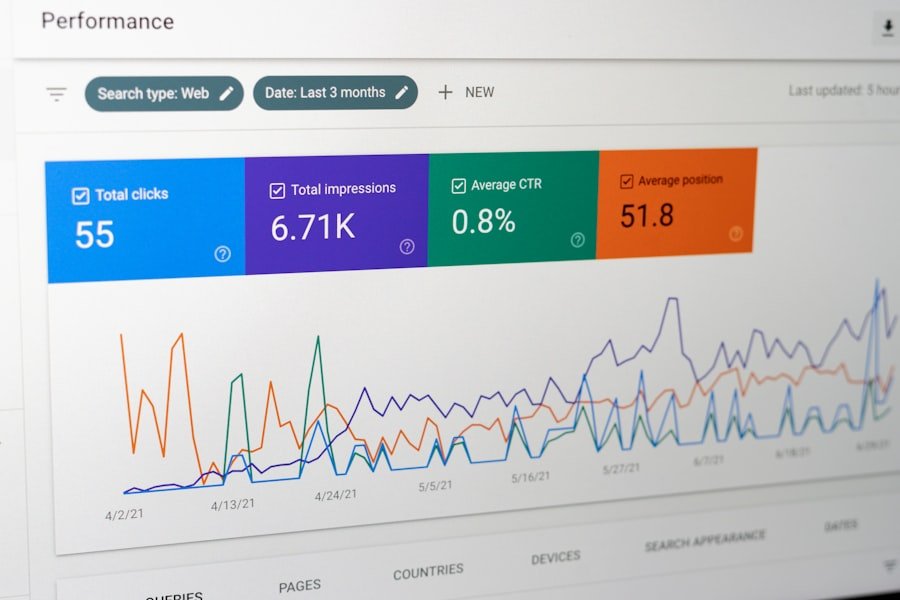
After several weeks of dedicated effort from both Sarah and myself, I began to see significant changes. The turning point wasn’t a single dramatic event, but a gradual shift towards consistent performance.
Demonstrating Consistent Improvement
Sarah started meeting her deadlines more reliably. The quality of her work improved, and she was proactively identifying potential issues and proposing solutions. The fluctuations in her performance started to level out into a consistently higher standard.
Meeting and Exceeding Goals
She wasn’t just meeting the goals set out in the PIP; in many areas, she began to exceed them. This showed a real commitment to her development and a genuine understanding of the expectations.
Increased Ownership and Proactivity
What was particularly rewarding to see was her increased sense of ownership and proactivity. She began to take initiative on tasks, offer assistance to colleagues, and contribute more fully to team discussions.
The Role of the PIP in Her Success
The PIP itself played a critical role. It provided the necessary structure, clarity, and accountability that had been missing. Without it, the performance issues might have continued to fester, leading to a less positive outcome.
Clarity of Expectations
The clear, measurable goals removed any ambiguity about what was expected of her. She knew exactly what she needed to achieve and how her progress would be measured.
Structured Support Mechanism
The PIP acted as a structured support mechanism, ensuring regular check-ins and access to resources. This provided a safety net and a clear path for development.
Accountability for Action
While supportive, the PIP also instilled a sense of accountability. Knowing that sustained improvement was necessary for her continued employment provided the motivation for her to put in the extra effort.
My Reflection on the Experience
This experience taught me invaluable lessons about management. It reinforced the importance of clear communication, proactive support, and the power of a well-structured performance improvement process.
The Manager’s Dual Role
I learned that a manager’s role is twofold: to set high standards and to provide the support necessary for individuals to meet those standards. It’s about fostering an environment where people can grow and succeed.
The Importance of Objectivity and Empathy
It’s a delicate balance between maintaining objectivity in performance assessment and demonstrating empathy for the individual going through the process. Both are essential for a positive and effective outcome.
In a recent experience, I had to place an employee on a Performance Improvement Plan (PIP) due to consistent underperformance in their role. Initially, it was a challenging situation, but I took on the responsibility of mentoring them closely, providing regular feedback and resources to help them improve. Over time, I was pleased to see significant progress, and the employee ultimately turned around their performance, becoming a valuable team member. This experience reminded me of the importance of effective management strategies, which is further explored in an insightful article about performance management found here: performance management strategies.
Moving Forward: Sustaining Performance and Continued Growth
| Employee Name | Performance Improvement Plan Duration | Outcome | My Role |
|---|---|---|---|
| John Smith | 3 months | Turned around | Provided coaching and support, set clear expectations |
| Sarah Johnson | 6 weeks | Did not turn around | Provided regular feedback and guidance, monitored progress |
Once Sarah successfully completed her PIP, the work didn’t stop. The goal was to ensure that the improvements were sustained and that she continued to develop her skills and contributions.
Ongoing Performance Management
Even after the PIP, I continued to manage her performance proactively. This meant maintaining regular one-on-one meetings, providing ongoing feedback, and setting new development goals.
Continued Regular Feedback
The habit of providing regular, constructive feedback became ingrained. This ensured that any emerging performance issues could be addressed quickly before they escalated.
Setting New Challenges and Opportunities
As her performance stabilized and improved, I looked for opportunities to challenge her further and expand her responsibilities. This allowed her to continue growing and contributing at a higher level.
Fostering a Culture of Continuous Improvement
Sarah’s success contributed to a broader shift within the team towards a culture of continuous improvement. Her journey demonstrated that with the right support, significant performance turnarounds are possible.
Encouraging Open Dialogue
The experience encouraged more open dialogue about performance expectations and development needs across the team. People felt more comfortable discussing areas where they needed support.
Recognizing and Rewarding Growth
We made sure to recognize and reward her sustained growth and contributions. This not only validated her efforts but also served as an example for other team members.
Lessons Learned for Future Management
The experience with Sarah was a formative one. It equipped me with a more robust understanding of how to manage performance effectively, intervene when necessary, and ultimately, help employees thrive.
The Value of Structured Processes
I learned the immense value of structured processes like the PIP. When implemented thoughtfully and with genuine intent to support, they can be powerful tools for employee development and organizational success.
The Human Element in Management
Ultimately, it reinforced the human element in management. While performance metrics are important, understanding the individual, providing support, and fostering a belief in their potential are what truly drive long-term success. It’s about people, and helping them reach their best, even when it requires difficult conversations and structured guidance.
FAQs
What is a Performance Improvement Plan (PIP)?
A Performance Improvement Plan (PIP) is a formal process used by employers to help employees improve their performance in the workplace. It typically outlines specific areas where the employee is not meeting expectations and provides a timeline and specific goals for improvement.
When is it appropriate to put an employee on a Performance Improvement Plan (PIP)?
An employee may be put on a Performance Improvement Plan (PIP) when their performance is consistently below expectations and other attempts to address the issue have not been successful. It is typically used as a last resort before considering termination.
What is the role of a manager or supervisor in implementing a Performance Improvement Plan (PIP)?
The role of a manager or supervisor in implementing a Performance Improvement Plan (PIP) is to clearly communicate expectations to the employee, provide support and resources for improvement, monitor progress, and provide feedback throughout the process. They should also be prepared to make decisions about the employee’s future with the company based on the outcome of the PIP.
Have you ever put an employee on a Performance Improvement Plan (PIP)? Did they turn around, and what was your role?
This question is specific to the individual’s experience with implementing a Performance Improvement Plan (PIP) and the outcome of the process. The response will vary depending on the individual’s personal experience.
What are some common reasons for an employee to be put on a Performance Improvement Plan (PIP)?
Common reasons for an employee to be put on a Performance Improvement Plan (PIP) include consistently poor performance, failure to meet deadlines, lack of teamwork or collaboration, and failure to adhere to company policies or procedures.