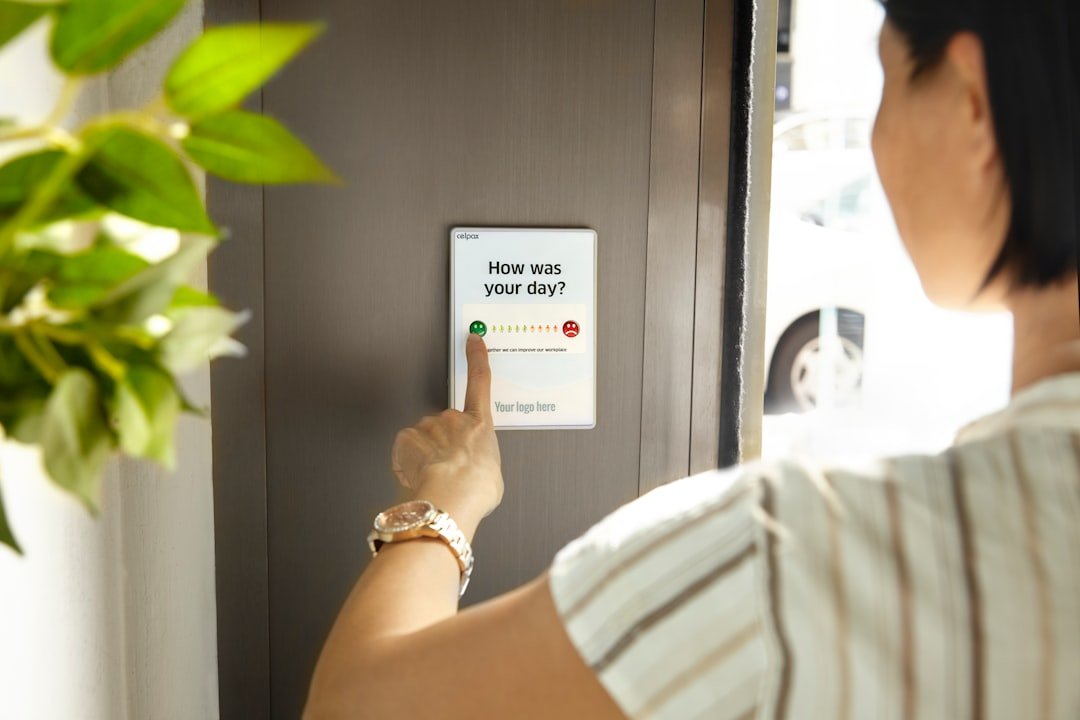
In customer support, empathy is fundamental to establishing strong client relationships. Effective support involves more than resolving issues—it requires acknowledging customers’ emotions and experiences.
Understanding empathy’s value creates a more constructive environment for both customers and support staff. It moves interactions beyond simple transactions and builds trust and mutual understanding. Empathy also improves problem-solving in customer support.
When support representatives understand a customer’s situation, they can address concerns more effectively. This approach resolves immediate problems and uncovers underlying issues requiring attention. By emphasizing empathy, organizations can shift customer support from reactive troubleshooting to proactive problem prevention, benefiting both customers and the business.
Key Takeaways
- Empathy is crucial for effective customer support and improves overall customer satisfaction.
- Training and active listening are key methods to develop empathy among support representatives.
- Creating a supportive team environment and empathy-building activities enhance empathetic skills.
- Recognizing and rewarding empathetic behavior motivates representatives to maintain empathy.
- Continuously measuring, tracking, and evolving empathy practices ensures sustained improvement.
Training Customer Support Representatives in Empathy
To cultivate empathy within our customer support teams, we must invest in comprehensive training programs. These programs should focus on developing emotional intelligence, which is crucial for understanding and responding to customer emotions. By incorporating role-playing scenarios and real-life examples into our training sessions, we can help representatives practice empathetic responses in a safe environment.
This hands-on approach allows us to simulate various customer interactions, enabling our team to learn how to navigate complex emotional landscapes effectively. Additionally, ongoing training is essential for reinforcing empathetic practices. As we encounter new challenges and evolving customer expectations, we must ensure that our representatives are equipped with the latest tools and techniques to respond with empathy.
Regular workshops and refresher courses can help us maintain a high standard of empathetic service, ensuring that our team remains adaptable and responsive to the needs of our customers.
Encouraging Active Listening in Customer Support Interactions

Active listening is a vital component of empathetic customer support. It involves fully concentrating on what the customer is saying, understanding their message, and responding thoughtfully. To encourage active listening among our representatives, we can implement specific techniques that promote engagement during interactions.
For instance, we can train our team to use verbal affirmations, such as “I understand” or “That makes sense,” which signal to the customer that they are being heard and valued. Furthermore, we can create an environment where representatives feel comfortable asking clarifying questions. This not only demonstrates their commitment to understanding the customer’s needs but also helps to uncover any underlying issues that may not be immediately apparent.
By fostering a culture of active listening, we can enhance the quality of our customer interactions and ensure that customers feel respected and understood.
Implementing Empathy-building Activities in the Workplace
To reinforce the importance of empathy within our teams, we can introduce various activities designed to build empathetic skills. Team-building exercises that focus on perspective-taking can be particularly effective.
This practice encourages vulnerability and helps us appreciate the diverse backgrounds and emotions that shape our interactions with customers. Additionally, we can organize workshops that focus on emotional intelligence development. These sessions can include discussions on recognizing emotions in ourselves and others, as well as strategies for managing those emotions during customer interactions.
By incorporating these empathy-building activities into our workplace culture, we create an environment where empathy is not just encouraged but celebrated.
Fostering a Supportive and Collaborative Team Environment
| Metric | Description | Target/Goal | Current Value | Impact on Empathy Culture |
|---|---|---|---|---|
| Customer Satisfaction Score (CSAT) | Measures customer satisfaction after support interaction | 85% or higher | 78% | Higher CSAT indicates effective empathetic communication |
| First Contact Resolution (FCR) | Percentage of issues resolved on first contact | 75% or higher | 70% | Empathy helps understand and resolve issues promptly |
| Average Handle Time (AHT) | Average duration of a customer support call | 5 minutes or less | 6 minutes | Balanced AHT reflects thorough yet empathetic support |
| Empathy Training Completion Rate | Percentage of support staff completing empathy training | 100% | 85% | Training improves empathetic skills and customer rapport |
| Customer Effort Score (CES) | Measures ease of customer interaction with support | 3 or lower (on a 1-7 scale) | 4.2 | Lower effort scores indicate empathetic and efficient support |
| Employee Engagement Score | Measures support team’s engagement and morale | 80% or higher | 75% | Engaged employees are more likely to show empathy |
| Repeat Contact Rate | Percentage of customers contacting support multiple times for same issue | 10% or lower | 15% | Lower repeat contacts reflect better empathetic understanding |
A supportive and collaborative team environment is essential for nurturing empathy among customer support representatives. When we work together as a cohesive unit, we can share insights and experiences that enhance our understanding of customer needs. Encouraging open communication within our teams allows us to discuss challenges and brainstorm solutions collectively.
This collaborative spirit fosters a sense of belonging and encourages representatives to support one another in their efforts to provide empathetic service. Moreover, creating a safe space for feedback is crucial in fostering collaboration. When team members feel comfortable sharing their thoughts and experiences without fear of judgment, they are more likely to engage in meaningful discussions about empathy in customer support.
By promoting a culture of constructive feedback, we empower our representatives to learn from one another and continuously improve their empathetic skills.
Recognizing and Rewarding Empathetic Behavior in Customer Support

Recognition plays a significant role in reinforcing empathetic behavior within our customer support teams. When we acknowledge and reward representatives who demonstrate exceptional empathy, we send a clear message about the value we place on this quality. Implementing recognition programs that highlight empathetic interactions can motivate our team members to prioritize empathy in their daily work.
We might consider establishing an “Empathy Champion” award or similar initiatives that celebrate individuals who go above and beyond in their customer interactions. By publicly recognizing these efforts, we not only boost morale but also inspire others to follow suit. This recognition creates a positive feedback loop that encourages a culture of empathy throughout our organization.
Providing Resources for Customer Support Representatives to Practice Empathy
To effectively practice empathy, our customer support representatives need access to resources that facilitate their development. We can provide them with materials such as articles, videos, and case studies that illustrate best practices in empathetic communication. These resources can serve as valuable references when representatives encounter challenging situations or seek guidance on how to respond empathetically.
Additionally, creating a library of role-playing scenarios or scripts can help representatives practice their empathetic responses in various contexts. By having these resources readily available, we empower our team members to continuously refine their skills and approach each customer interaction with confidence and compassion.
Empathy as a Core Value in Customer Support
Integrating empathy as a core value within our customer support philosophy is essential for creating a lasting impact on our service culture. When empathy is embedded into our organizational values, it becomes a guiding principle for every interaction we have with customers. We must communicate this value clearly to all team members and ensure that it is reflected in our policies and procedures.
By prioritizing empathy as a core value, we set the expectation that every representative should approach their work with compassion and understanding. This commitment not only enhances the quality of our customer support but also contributes to a more positive workplace culture where employees feel valued and motivated to excel.
Empathy in Dealing with Challenging Customer Interactions
Challenging customer interactions often test our ability to remain empathetic under pressure. In these situations, it is crucial for us to remember that customers may be experiencing frustration or disappointment due to circumstances beyond their control. By maintaining an empathetic mindset during these interactions, we can de-escalate tensions and work towards finding solutions that satisfy both parties.
We can equip our representatives with strategies for handling difficult conversations while remaining empathetic. Techniques such as acknowledging the customer’s feelings, validating their concerns, and expressing genuine willingness to help can go a long way in diffusing challenging situations. By practicing these strategies consistently, we can turn potentially negative experiences into opportunities for building stronger relationships with our customers.
Measuring and Tracking Empathy in Customer Support Interactions
To ensure that empathy remains a priority within our customer support operations, we must establish metrics for measuring and tracking empathetic behavior. This could involve gathering feedback from customers through surveys or follow-up calls specifically focused on their experience with our representatives’ empathy levels. By analyzing this data, we can identify trends and areas for improvement.
Additionally, we might consider implementing peer reviews or self-assessments where representatives evaluate their own empathetic responses during interactions. This reflective practice encourages continuous growth and accountability among team members while providing valuable insights into how well we are embodying empathy in our service delivery.
Continuously Improving and Evolving the Culture of Empathy in Customer Support
Creating a culture of empathy within customer support is not a one-time effort; it requires ongoing commitment and evolution. As we gather feedback from both customers and team members, we must be willing to adapt our practices and training programs accordingly. Regularly revisiting our approach allows us to stay aligned with changing customer expectations and industry standards.
Moreover, fostering an environment where innovation is encouraged can lead to new ideas for enhancing empathy in customer support. We should remain open to exploring new technologies or methodologies that can further enrich our empathetic practices. By continuously improving and evolving our culture of empathy, we position ourselves as leaders in customer support excellence while ensuring that every interaction reflects our commitment to understanding and serving our customers with compassion.
Creating a culture of empathy in customer support is essential for fostering strong relationships with clients and enhancing overall satisfaction. A related article that delves into the importance of understanding customer needs and providing valuable insights is available at Does Your Funnel Provide Valuable Insight?. This article explores how effective communication and empathy can significantly improve customer interactions and drive business success.
FAQs
What is a culture of empathy in customer support?
A culture of empathy in customer support refers to an organizational environment where customer service representatives consistently understand, share, and respond to the feelings and perspectives of customers. This approach prioritizes emotional connection and compassionate communication to improve customer satisfaction and loyalty.
Why is empathy important in customer support?
Empathy is important in customer support because it helps build trust and rapport with customers, leading to more effective problem resolution. It reduces customer frustration, enhances the overall experience, and can increase customer retention and positive word-of-mouth.
How can companies create a culture of empathy in their customer support teams?
Companies can create a culture of empathy by training support staff in active listening and emotional intelligence, encouraging open communication, recognizing empathetic behavior, and fostering a supportive work environment. Leadership should model empathetic behavior and integrate empathy into company values and policies.
What are some practical ways customer support agents can demonstrate empathy?
Customer support agents can demonstrate empathy by actively listening to customers, acknowledging their feelings, using positive and understanding language, personalizing interactions, and showing patience and genuine concern throughout the support process.
How does empathy in customer support impact business outcomes?
Empathy in customer support can lead to higher customer satisfaction, increased loyalty, reduced churn rates, and improved brand reputation. It often results in quicker conflict resolution and can turn negative experiences into positive ones, ultimately benefiting the company’s bottom line.
Can technology help in fostering empathy in customer support?
Yes, technology such as customer relationship management (CRM) systems, sentiment analysis tools, and AI-powered chatbots can assist by providing agents with customer history and emotional cues. However, technology should complement, not replace, human empathy in interactions.
What challenges might organizations face when trying to build a culture of empathy?
Challenges include resistance to change, lack of proper training, high workload and stress among support agents, and difficulty measuring empathy. Overcoming these requires commitment from leadership, ongoing education, and creating a supportive environment that values emotional intelligence.
How can empathy training be incorporated into customer support programs?
Empathy training can be incorporated through workshops, role-playing exercises, coaching sessions, and continuous feedback mechanisms. Training should focus on developing active listening skills, emotional awareness, and effective communication techniques tailored to customer interactions.
Is empathy in customer support relevant across all industries?
Yes, empathy is relevant across all industries as it enhances customer interactions regardless of the product or service. Every customer-facing role benefits from empathetic communication to address concerns and build positive relationships.
How can companies measure the effectiveness of empathy in their customer support?
Companies can measure empathy effectiveness through customer satisfaction surveys, Net Promoter Scores (NPS), customer feedback, monitoring resolution times, and analyzing sentiment in customer interactions. Employee feedback and performance reviews can also provide insights into empathetic behavior.