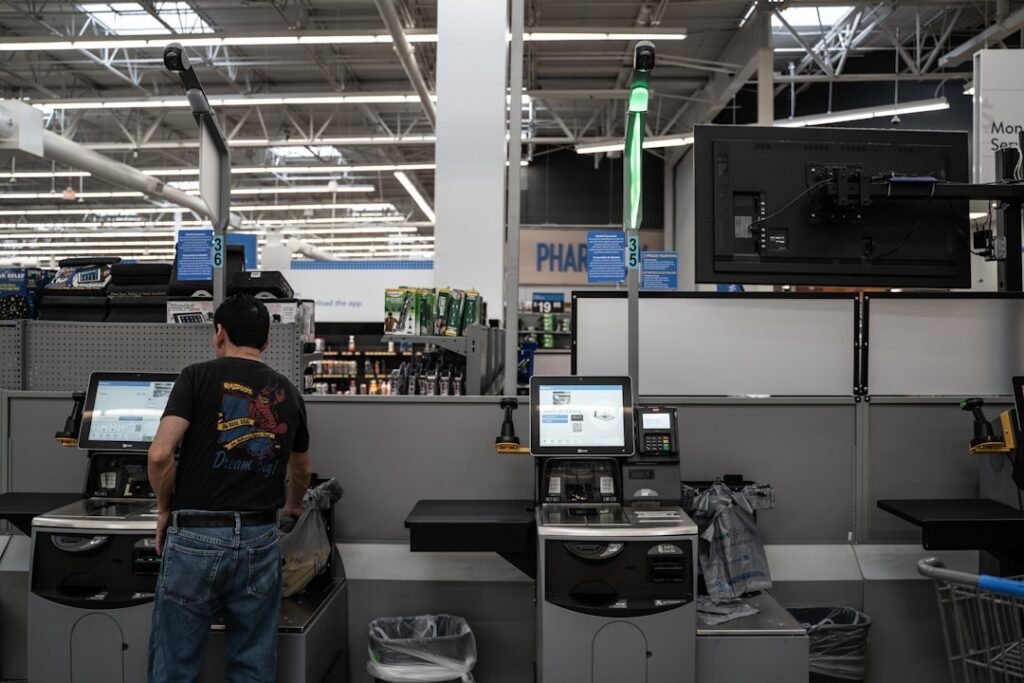
Customer support technology is experiencing substantial change due to advances in digital tools and evolving consumer expectations. Organizations are implementing new technologies to improve operational efficiency and strengthen customer relationships. Current trends in customer support technology represent a movement toward more efficient, responsive, and personalized service delivery methods.
This transformation addresses both competitive market demands and the requirements of technology-oriented customers who expect consistent interactions across multiple platforms. Companies are utilizing various technologies to restructure their customer support approaches. These include artificial intelligence (AI), machine learning (ML), omnichannel solutions, and self-service platforms.
These technologies enable businesses to deliver prompt and effective support services. The implementation of advanced technologies serves dual purposes: improving operational efficiency and developing customer experiences that enhance loyalty and satisfaction levels.
Key Takeaways
- AI and machine learning are revolutionizing customer support by enabling smarter, faster responses.
- Chatbots and virtual assistants provide 24/7 support, improving customer engagement and efficiency.
- Omnichannel solutions ensure seamless support across multiple platforms for a unified customer experience.
- Personalization and automation enhance service quality while optimizing workflows and reducing costs.
- Advanced data analytics and voice recognition technologies are shaping the future of predictive and natural language-based support.
Artificial Intelligence and Machine Learning in Customer Support
Artificial intelligence and machine learning are at the forefront of the technological revolution in customer support. These technologies enable organizations to analyze vast amounts of data, identify patterns, and make informed decisions that enhance service delivery. For instance, AI algorithms can predict customer behavior based on historical interactions, allowing support teams to anticipate issues before they arise.
This proactive approach not only improves response times but also enhances customer satisfaction by addressing concerns before they escalate. Moreover, machine learning models can continuously learn from new data inputs, refining their predictions and recommendations over time. This adaptability is particularly beneficial in customer support, where the nature of inquiries can evolve rapidly.
For example, a retail company might use ML to analyze customer feedback and adjust its support strategies accordingly, ensuring that representatives are equipped with the most relevant information to assist customers effectively. By harnessing AI and ML, businesses can create a more agile support environment that responds to changing customer needs with precision.
Chatbots and Virtual Assistants

Chatbots and virtual assistants have emerged as pivotal components of modern customer support strategies. These AI-driven tools are designed to handle a wide range of inquiries, providing instant responses to common questions and facilitating transactions without human intervention. The implementation of chatbots can significantly reduce wait times for customers, as they are available 24/7 and can manage multiple interactions simultaneously.
For instance, a telecommunications company might deploy a chatbot to assist customers with billing inquiries or service outages, freeing up human agents to focus on more complex issues. The effectiveness of chatbots is further enhanced by their ability to learn from interactions. Advanced natural language processing (NLP) capabilities allow these tools to understand context and nuances in customer queries, leading to more accurate responses.
Companies like Zendesk have integrated chatbot functionalities into their platforms, enabling businesses to automate routine tasks while maintaining a high level of service quality. As customers become more accustomed to interacting with chatbots, their acceptance and reliance on these technologies are likely to grow, making them an integral part of the customer support ecosystem.
Omnichannel Support Solutions
In an era where customers engage with brands across multiple channels—be it social media, email, phone calls, or live chat—omnichannel support solutions have become essential for delivering cohesive customer experiences. These solutions enable businesses to provide consistent support regardless of the platform used by the customer. For example, a consumer might initiate a query via social media but prefer to continue the conversation through email.
An effective omnichannel strategy ensures that all interactions are seamlessly integrated, allowing support agents to access the complete history of customer interactions. The benefits of omnichannel support extend beyond mere convenience; they also enhance customer satisfaction by providing a unified experience. Research indicates that customers who engage with brands across multiple channels tend to exhibit higher loyalty levels.
Companies like Salesforce have developed comprehensive omnichannel solutions that allow businesses to track customer interactions across various touchpoints, ensuring that no information is lost in transition. By adopting an omnichannel approach, organizations can create a more holistic view of their customers, leading to improved service delivery and stronger relationships.
Personalization and Customization in Customer Support
| Trend | Description | Adoption Rate (2024) | Impact on Customer Satisfaction | Key Benefit |
|---|---|---|---|---|
| AI-Powered Chatbots | Automated conversational agents using natural language processing to handle customer queries. | 68% | +25% | 24/7 instant support |
| Omnichannel Support Platforms | Unified systems integrating multiple communication channels (email, chat, social media). | 54% | +30% | Seamless customer experience |
| Self-Service Portals | Online knowledge bases and FAQs enabling customers to resolve issues independently. | 72% | +20% | Reduced support tickets |
| AI-Driven Analytics | Use of AI to analyze customer interactions and predict support needs. | 45% | +18% | Proactive issue resolution |
| Video Support | Live video assistance for complex troubleshooting and personalized help. | 30% | +22% | Enhanced customer engagement |
| Voice Assistants | Integration of voice recognition technology for hands-free customer support. | 38% | +15% | Convenient interaction |
Personalization has emerged as a critical factor in customer support, as consumers increasingly expect tailored experiences that cater to their individual needs. Leveraging data analytics and AI, businesses can gain insights into customer preferences and behaviors, enabling them to customize interactions effectively. For instance, a travel agency might use past booking data to recommend personalized vacation packages or offer tailored promotions based on a customer’s travel history.
The impact of personalization extends beyond mere recommendations; it also encompasses the tone and style of communication. Customers appreciate when support agents acknowledge their unique circumstances and preferences during interactions. Companies like Amazon have set a high standard for personalization by utilizing sophisticated algorithms that analyze user behavior and preferences, resulting in highly relevant product suggestions and targeted marketing campaigns.
As organizations continue to embrace personalization in their customer support strategies, they will likely see increased engagement and loyalty from their clientele.
Self-Service and Knowledge Management Systems

The rise of self-service options has transformed the way customers seek assistance. Knowledge management systems empower customers to find answers independently through FAQs, instructional videos, and community forums. This shift not only reduces the burden on support teams but also caters to customers who prefer resolving issues on their own terms.
For example, software companies often provide extensive online resources that guide users through troubleshooting processes without requiring direct interaction with support agents. Self-service platforms are particularly effective in addressing common inquiries that do not necessitate human intervention. By offering comprehensive knowledge bases and user-friendly interfaces, organizations can enhance customer satisfaction while optimizing resource allocation.
Companies like Microsoft have successfully implemented self-service solutions that allow users to access troubleshooting guides and community forums, significantly reducing the volume of repetitive inquiries directed at support teams. As self-service options continue to evolve, they will play an increasingly vital role in shaping customer support strategies.
Automation and Workflow Optimization
Automation is revolutionizing customer support by streamlining workflows and enhancing operational efficiency. By automating routine tasks such as ticket routing, follow-ups, and data entry, organizations can free up valuable time for support agents to focus on more complex issues that require human expertise. For instance, a financial services firm might implement automation tools to categorize incoming inquiries based on urgency or topic, ensuring that high-priority issues are addressed promptly.
Workflow optimization through automation also leads to improved response times and reduced operational costs. By minimizing manual processes, businesses can enhance their overall productivity while maintaining high service standards. Tools like ServiceNow offer automation capabilities that allow organizations to create customized workflows tailored to their specific needs.
As automation technologies continue to advance, they will play an increasingly critical role in shaping the future of customer support operations.
Data Analytics and Predictive Support
Data analytics has become an indispensable tool for enhancing customer support strategies. By analyzing historical data and identifying trends, organizations can gain valuable insights into customer behavior and preferences. Predictive analytics takes this a step further by enabling businesses to anticipate future needs based on past interactions.
For example, an e-commerce platform might analyze purchasing patterns to predict when customers are likely to need assistance or when they may be at risk of churn. The application of predictive analytics in customer support allows organizations to adopt a proactive approach rather than merely reacting to issues as they arise. By identifying potential problems before they escalate, businesses can implement targeted interventions that enhance customer satisfaction and loyalty.
Companies like IBM have developed advanced analytics solutions that empower organizations to leverage data effectively for predictive support initiatives. As data-driven decision-making becomes increasingly prevalent in customer support, organizations will be better equipped to meet evolving consumer expectations.
Integration of Social Media and Messaging Platforms
The integration of social media and messaging platforms into customer support strategies has transformed how businesses interact with their customers. Social media channels like Twitter and Facebook serve as vital touchpoints for customers seeking assistance or voicing concerns publicly. By actively monitoring these platforms, organizations can respond promptly to inquiries or complaints, demonstrating their commitment to customer satisfaction.
Messaging apps such as WhatsApp and Facebook Messenger have also gained traction as preferred communication channels for many consumers. These platforms offer convenience and immediacy, allowing customers to engage with brands in real-time without the need for traditional phone calls or emails. Companies like Hootsuite have developed tools that enable businesses to manage social media interactions efficiently while ensuring consistent messaging across all channels.
As social media continues to play a pivotal role in customer engagement, organizations must adapt their support strategies accordingly.
Voice Recognition and Natural Language Processing
Voice recognition technology has made significant strides in recent years, enabling customers to interact with brands using natural language commands. This advancement has profound implications for customer support, as it allows for more intuitive interactions between consumers and automated systems. For instance, voice-activated virtual assistants like Amazon’s Alexa or Google Assistant can help users troubleshoot issues or place orders simply by speaking commands.
Natural language processing (NLP) enhances this experience by enabling systems to understand context and intent behind spoken queries accurately. Businesses can leverage NLP capabilities to develop voice-activated customer support solutions that provide instant assistance without requiring users to navigate complex menus or interfaces. Companies like Nuance Communications specialize in voice recognition technology tailored for customer service applications, allowing organizations to create seamless voice-driven experiences for their customers.
The Future of Customer Support Technology: Predictions and Implications
As we look ahead, the future of customer support technology promises even more transformative changes driven by ongoing advancements in AI, automation, and data analytics. One prediction is the continued rise of hyper-personalization in customer interactions, where businesses leverage real-time data insights to tailor experiences at an unprecedented level. This shift will require organizations to invest in robust data infrastructure capable of processing vast amounts of information while ensuring compliance with privacy regulations.
Additionally, the integration of emerging technologies such as augmented reality (AR) may redefine how customers seek assistance. AR could enable customers to visualize solutions or receive guided instructions through their devices during troubleshooting processes—an innovation particularly relevant for industries like retail or technical services where visual guidance can enhance understanding. Moreover, as remote work becomes increasingly normalized post-pandemic, companies will need to adapt their support strategies accordingly by leveraging cloud-based solutions that facilitate collaboration among distributed teams while maintaining high service standards.
In conclusion, the evolution of customer support technology is poised for continued growth as organizations embrace innovative solutions that enhance efficiency while prioritizing exceptional customer experiences. The interplay between emerging technologies will shape the future landscape of customer service delivery—one where personalization, automation, and seamless integration across channels become the norm rather than the exception.