
In the realm of nonprofit organizations, customer support transcends the traditional notion of service; it embodies the very essence of mission-driven engagement. Nonprofits often operate with limited resources, yet they are tasked with addressing complex social issues and fostering community well-being. Effective customer support is crucial in this context, as it not only enhances the experience of beneficiaries but also strengthens the organization’s reputation and trustworthiness.
When individuals feel supported and valued, they are more likely to engage with the nonprofit, whether through donations, volunteerism, or advocacy. Moreover, customer support in nonprofits plays a pivotal role in building long-term relationships with stakeholders. This includes not just beneficiaries but also donors, volunteers, and community partners.
A responsive and empathetic support system can lead to increased donor retention and volunteer satisfaction, which are vital for sustaining operations. By prioritizing customer support, nonprofits can create a loyal base of supporters who are invested in the organization’s mission and willing to contribute their time and resources.
Key Takeaways
- Customer support is crucial for nonprofits to build and maintain strong relationships with donors, volunteers, and beneficiaries.
- Building a customer support team in a nonprofit organization involves identifying the right skills and qualities, and creating clear roles and responsibilities.
- Training and empowering customer support staff is essential for them to effectively engage with stakeholders and represent the organization.
- Utilizing technology can help nonprofits efficiently manage customer support through tools such as CRM systems, ticketing platforms, and chatbots.
- Creating a supportive and positive customer experience involves fostering a culture of empathy, responsiveness, and going the extra mile for stakeholders.
Building a Customer Support Team in a Nonprofit Organization
Establishing a dedicated customer support team within a nonprofit organization is essential for fostering effective communication and addressing the needs of various stakeholders. The first step in building this team involves identifying individuals who possess not only the necessary skills but also a passion for the organization’s mission. This often means looking beyond traditional qualifications and considering candidates who demonstrate empathy, patience, and a genuine desire to help others.
A diverse team can bring different perspectives and experiences, enriching the support process. Once the team is assembled, it is crucial to define clear roles and responsibilities. Each member should understand their specific functions within the support framework, whether it involves direct interaction with beneficiaries, managing inquiries from donors, or coordinating volunteer efforts.
Establishing a structured approach ensures that all inquiries are addressed promptly and efficiently. Regular team meetings can facilitate communication among members, allowing them to share insights and strategies for improving customer interactions.
Training and Empowering Customer Support Staff
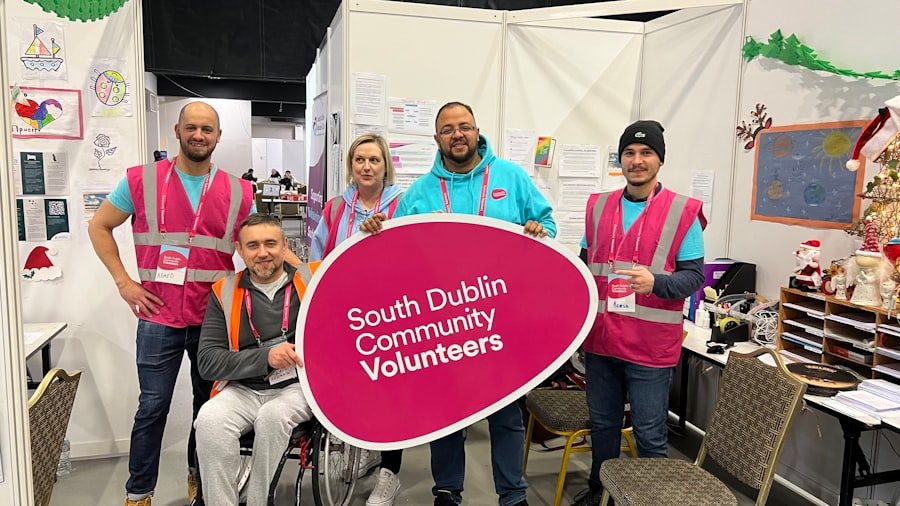
Training is a cornerstone of effective customer support in nonprofits. It is essential to equip staff with the knowledge and skills necessary to handle a variety of situations that may arise. This training should encompass not only organizational policies and procedures but also soft skills such as active listening, conflict resolution, and emotional intelligence.
Role-playing scenarios can be particularly beneficial, allowing staff to practice their responses to different types of inquiries or complaints in a safe environment. Empowerment goes hand-in-hand with training. Support staff should feel confident in their ability to make decisions that benefit the customer experience.
This might involve granting them the authority to resolve minor issues without needing managerial approval or encouraging them to suggest improvements based on their interactions with stakeholders. When staff members feel empowered, they are more likely to take initiative and provide exceptional service, ultimately leading to higher satisfaction rates among beneficiaries and supporters alike.
Utilizing Technology for Efficient Customer Support
In today’s digital age, technology plays a vital role in enhancing customer support capabilities within nonprofit organizations. Implementing a robust customer relationship management (CRM) system can streamline communication and ensure that all interactions are documented and easily accessible. This allows support staff to track inquiries, follow up on unresolved issues, and maintain a comprehensive understanding of each stakeholder’s history with the organization.
Additionally, leveraging social media platforms can provide an avenue for real-time engagement with supporters. Many nonprofits have found success in using platforms like Facebook or Twitter to address questions or concerns promptly. Chatbots can also be integrated into websites to offer immediate assistance for common inquiries, freeing up staff time for more complex issues.
By embracing technology, nonprofits can enhance their responsiveness and create a more efficient support system that meets the needs of their diverse audience.
Creating a Supportive and Positive Customer Experience
A positive customer experience is paramount for nonprofits aiming to foster lasting relationships with their stakeholders. This begins with creating an environment where individuals feel welcomed and valued. Simple gestures such as personalized greetings or follow-up messages can significantly enhance the overall experience.
For instance, when a donor makes a contribution, sending a heartfelt thank-you note can reinforce their connection to the organization and encourage future support. Furthermore, it is essential to cultivate a culture of positivity within the customer support team itself. When staff members feel supported and appreciated, they are more likely to extend that positivity to stakeholders.
Regular recognition of individual contributions, whether through informal shout-outs or formal awards, can boost morale and motivate staff to go above and beyond in their interactions with customers.
Implementing Feedback and Improvement Processes

Feedback is an invaluable tool for continuous improvement in customer support practices. Nonprofits should actively seek input from beneficiaries, donors, and volunteers regarding their experiences with the organization’s support services. Surveys can be distributed after interactions or periodically sent out to gauge overall satisfaction levels.
This data can provide insights into areas that require enhancement or highlight successful practices that should be maintained. Once feedback is collected, it is crucial to analyze it systematically and implement changes based on the findings. For example, if multiple stakeholders express concerns about response times, the organization may need to reassess its staffing levels or streamline its inquiry processes.
By demonstrating a commitment to listening and adapting based on feedback, nonprofits can build trust with their supporters and show that their opinions are valued.
Establishing Clear Communication Channels for Support
Effective communication is at the heart of successful customer support in nonprofits. Establishing clear channels for stakeholders to reach out for assistance is essential for ensuring that inquiries are addressed promptly. This may involve creating dedicated email addresses for different types of inquiries or setting up a centralized phone line that directs calls to the appropriate team members.
In addition to traditional communication methods, nonprofits should consider utilizing messaging apps or online forums where supporters can ask questions or share experiences with one another. This not only fosters community engagement but also allows staff to monitor discussions and intervene when necessary. By providing multiple avenues for communication, nonprofits can cater to diverse preferences and ensure that all stakeholders feel heard.
Handling Difficult Situations and Complaints with Empathy
Inevitably, customer support teams will encounter challenging situations or complaints from stakeholders. The key to navigating these scenarios lies in approaching them with empathy and understanding. When a beneficiary expresses dissatisfaction or frustration, it is crucial for support staff to listen actively and validate their feelings.
Acknowledging the individual’s concerns can diffuse tension and pave the way for constructive dialogue. Moreover, training staff on conflict resolution techniques can empower them to handle difficult situations effectively. This may involve guiding them on how to remain calm under pressure, ask clarifying questions, and propose solutions that address the individual’s needs while aligning with organizational policies.
By equipping staff with these skills, nonprofits can turn potentially negative experiences into opportunities for growth and relationship-building.
Leveraging Volunteers and Community Partners for Support
Volunteers play an integral role in many nonprofit organizations, often serving as frontline representatives who interact directly with beneficiaries and supporters. By leveraging volunteers as part of the customer support framework, nonprofits can expand their capacity to provide assistance while also fostering community involvement. Training volunteers in customer support principles ensures that they are equipped to handle inquiries effectively while embodying the organization’s values.
Community partners can also enhance customer support efforts by providing additional resources or expertise. Collaborating with local businesses or other nonprofits can create synergies that benefit all parties involved. For instance, a nonprofit focused on food security might partner with local grocery stores to offer cooking classes or nutrition workshops for beneficiaries.
Such initiatives not only enhance the support experience but also strengthen community ties.
Measuring and Monitoring Customer Support Performance
To ensure that customer support efforts are effective, nonprofits must establish metrics for measuring performance. Key performance indicators (KPIs) such as response times, resolution rates, and stakeholder satisfaction scores can provide valuable insights into how well the support team is functioning. Regularly reviewing these metrics allows organizations to identify trends over time and make data-driven decisions regarding staffing or process improvements.
Additionally, qualitative assessments through stakeholder interviews or focus groups can complement quantitative data by providing deeper insights into individual experiences with customer support. By combining both approaches, nonprofits can gain a comprehensive understanding of their performance and identify areas for enhancement.
Celebrating Success and Recognizing Outstanding Support Efforts
Recognizing and celebrating successes within the customer support team is vital for maintaining motivation and morale. Acknowledging individual contributions—whether through formal awards or informal recognition—can foster a sense of pride among staff members and encourage them to continue delivering exceptional service. Celebrating milestones such as achieving high satisfaction scores or successfully resolving a challenging situation reinforces the importance of customer support within the organization’s culture.
Moreover, sharing success stories with stakeholders can enhance transparency and build trust within the community. Highlighting instances where exceptional customer support made a significant impact on an individual’s experience can inspire others to engage with the organization positively. By creating an environment where achievements are celebrated, nonprofits can cultivate a culture of excellence in customer support that resonates throughout their operations.