
Low-usage periods are times when customer engagement with a product or service significantly declines. These periods can vary widely depending on the industry, season, or even economic conditions. For instance, a gym may experience a drop in membership usage during the summer months when many members are on vacation, while a retail store might see reduced foot traffic after the holiday shopping season.
Understanding these patterns is crucial for businesses aiming to maintain customer loyalty and optimize their operations. By identifying the specific times when usage dips, companies can better prepare to address the underlying causes and implement strategies to re-engage their customers. Recognizing low-usage periods also involves analyzing historical data and trends.
Businesses can utilize analytics tools to track customer behavior over time, pinpointing when and why engagement wanes. For example, a subscription-based service might notice that user activity decreases after the initial sign-up period, indicating that customers may not find ongoing value in the service. By understanding these trends, businesses can proactively develop strategies to mitigate the impact of low-usage periods, ensuring that they remain relevant and appealing to their customer base.
Key Takeaways
- Low-usage periods can be understood by analyzing customer behavior and identifying patterns in their purchasing habits.
- Targeted marketing campaigns can be created to attract customers during low-usage periods by offering special promotions and discounts.
- Providing value-added services can help in retaining customers during low-usage periods and building long-term relationships.
- Leveraging social media and online platforms can help in reaching out to customers and promoting special promotions and events.
- Collaborating with other businesses and collecting customer feedback can provide insights for personalizing the customer experience and building long-term relationships.
Analyzing Customer Behavior
To effectively address low-usage periods, businesses must delve into customer behavior analysis. This involves gathering data on how customers interact with products or services, including purchase patterns, frequency of use, and feedback on their experiences. By employing tools such as customer relationship management (CRM) systems and analytics software, companies can gain insights into their customers’ preferences and pain points.
For instance, an e-commerce platform might analyze browsing history and purchase data to identify which products are frequently abandoned in shopping carts, indicating potential barriers to conversion. Moreover, understanding customer behavior extends beyond mere transactional data. Qualitative research methods, such as surveys and focus groups, can provide deeper insights into customer motivations and perceptions.
For example, a restaurant might conduct surveys to understand why patrons are dining out less frequently during certain months. The feedback could reveal that customers are seeking healthier options or more diverse menu items. By combining quantitative data with qualitative insights, businesses can create a comprehensive picture of customer behavior that informs their strategies during low-usage periods.
Creating Targeted Marketing Campaigns

Once businesses have a firm grasp on customer behavior, they can craft targeted marketing campaigns designed to re-engage customers during low-usage periods. These campaigns should be tailored to address the specific needs and preferences identified through analysis. For instance, if a fitness center discovers that members are less likely to attend classes during the summer months, it could launch a campaign promoting outdoor fitness classes or special summer challenges that encourage participation in a fun and engaging way.
Targeted marketing can also leverage segmentation strategies to ensure that messages resonate with different customer groups. For example, a software company might segment its user base into categories based on usage frequency and tailor its messaging accordingly. Inactive users could receive personalized emails highlighting new features or offering tutorials to help them get more value from the product.
By delivering relevant content that speaks directly to the customer’s experience, businesses can rekindle interest and drive engagement during low-usage periods.
Offering Special Promotions and Discounts
One effective strategy for combating low-usage periods is the implementation of special promotions and discounts. These incentives can entice customers to return and engage with a product or service they may have overlooked. For example, a local coffee shop might offer a “buy one, get one free” promotion during traditionally slow weekday mornings to encourage foot traffic.
Such promotions not only attract customers but also create a sense of urgency that can drive immediate sales. In addition to traditional discounts, businesses can explore creative promotional strategies that align with their brand identity. A subscription box service could introduce limited-time offers that feature exclusive items or themes based on seasonal trends.
By creating excitement around these promotions, companies can stimulate interest and encourage customers to take action during low-usage periods. Furthermore, promoting these offers through various channels—such as email newsletters, social media, and in-store signage—ensures maximum visibility and reach.
Providing Value-Added Services
To enhance customer engagement during low-usage periods, businesses should consider offering value-added services that complement their core offerings. These services can provide additional benefits that enhance the overall customer experience and encourage continued interaction with the brand. For instance, a gym could introduce wellness workshops or nutrition seminars that provide members with valuable information beyond just physical fitness.
By positioning itself as a holistic wellness provider, the gym can foster deeper connections with its members. Value-added services can also take the form of personalized recommendations or tailored experiences. An online retailer might implement a recommendation engine that suggests products based on previous purchases or browsing behavior.
This not only enhances the shopping experience but also encourages customers to explore new items they may not have considered otherwise. By focusing on providing additional value, businesses can keep customers engaged even during periods when they might otherwise disengage.
Leveraging Social Media and Online Platforms
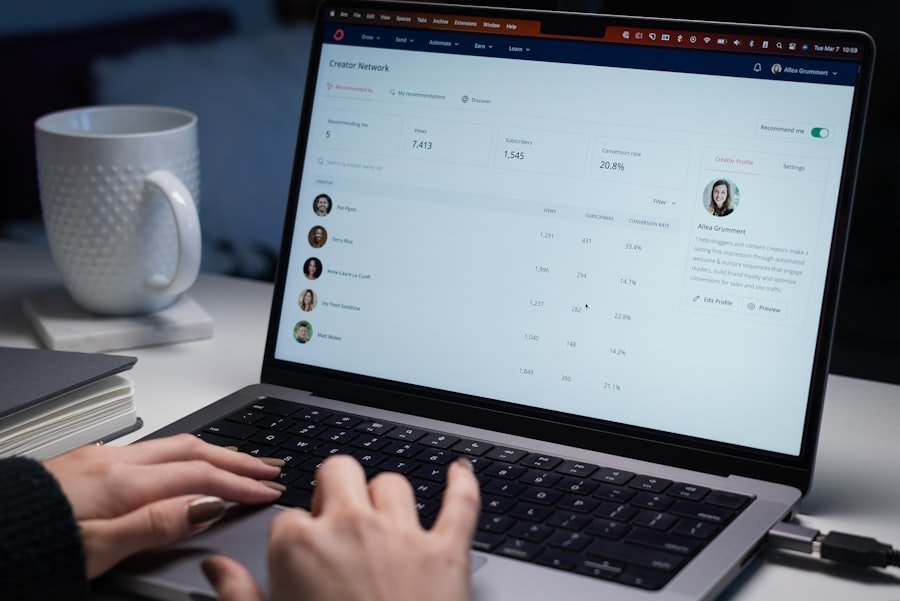
In today’s digital age, social media and online platforms play a pivotal role in maintaining customer engagement during low-usage periods. Businesses can utilize these channels to communicate directly with their audience, share updates, and promote special offers or events. For example, a travel agency could use Instagram to showcase stunning destinations and travel packages during off-peak seasons, inspiring potential travelers to book trips they may have otherwise postponed.
Moreover, social media provides an opportunity for businesses to foster community engagement among their customers. By creating interactive content—such as polls, quizzes, or user-generated challenges—companies can encourage participation and keep their audience engaged even when usage is low. A beauty brand might launch a social media challenge encouraging followers to share their favorite makeup looks using specific products, thereby generating buzz and excitement around its offerings while simultaneously building a sense of community among its customers.
Hosting Events and Workshops
Hosting events and workshops is another effective strategy for re-engaging customers during low-usage periods. These gatherings provide an opportunity for businesses to connect with their audience in a meaningful way while showcasing their products or services. For instance, a bookstore could organize author readings or writing workshops that attract both avid readers and aspiring writers alike.
Such events not only draw foot traffic but also create memorable experiences that strengthen customer loyalty. Additionally, events can serve as platforms for education and skill-building. A cooking school might offer themed classes during slower months to attract participants looking for new culinary skills or experiences.
By providing valuable learning opportunities in a fun environment, businesses can encourage customers to return while also expanding their reach through word-of-mouth marketing as attendees share their experiences with friends and family.
Collaborating with Other Businesses
Collaboration with other businesses can be an effective way to combat low-usage periods by pooling resources and reaching new audiences. Strategic partnerships allow companies to create joint promotions or events that benefit both parties while providing added value to customers. For example, a local gym could partner with a health food store to offer discounts on healthy meal plans for gym members, creating an incentive for both businesses’ clientele to engage more frequently.
Collaborations can also extend beyond promotions; they can involve co-hosting events or workshops that appeal to both customer bases. A pet grooming service might collaborate with a local veterinarian to host an educational seminar on pet care tips. This not only provides valuable information to pet owners but also introduces them to both businesses in a positive light, fostering long-term relationships that extend beyond the event itself.
Collecting Customer Feedback
Collecting customer feedback is essential for understanding the effectiveness of strategies implemented during low-usage periods. Businesses should actively seek input from their customers through surveys, comment cards, or online reviews to gauge satisfaction levels and identify areas for improvement. For instance, after launching a new promotional campaign aimed at re-engaging inactive users, a software company could send out surveys asking users about their experiences and whether the campaign influenced their decision to return.
Analyzing this feedback allows businesses to refine their approaches continually. If customers express dissatisfaction with certain aspects of a service or promotion, companies can make necessary adjustments based on this input. For example, if feedback indicates that customers found a discount offer confusing or difficult to redeem, the business can streamline its processes for future promotions.
By demonstrating responsiveness to customer feedback, companies not only improve their offerings but also build trust and loyalty among their audience.
Personalizing the Customer Experience
Personalization is key in enhancing customer engagement during low-usage periods. By tailoring experiences based on individual preferences and behaviors, businesses can create more meaningful interactions that resonate with their audience. For instance, an online retailer could use data analytics to send personalized product recommendations based on previous purchases or browsing history.
This level of customization not only increases the likelihood of conversion but also makes customers feel valued and understood. Furthermore, personalized communication plays a significant role in re-engaging customers who may have become inactive. A subscription service could send personalized emails highlighting new features or content specifically relevant to each user’s interests.
By addressing customers by name and acknowledging their unique preferences, businesses can foster a sense of connection that encourages them to return during low-usage periods.
Building Long-Term Relationships
Ultimately, the goal of all these strategies is to build long-term relationships with customers that extend beyond individual transactions or interactions. Businesses should focus on creating an environment where customers feel valued and appreciated over time rather than just during peak usage periods. This involves consistent communication, ongoing engagement efforts, and a commitment to delivering exceptional experiences.
For example, loyalty programs can be an effective way to reward repeat customers while encouraging continued engagement even during slower times. A coffee shop might implement a rewards program where customers earn points for every purchase that can be redeemed for free drinks or exclusive offers. By fostering loyalty through such initiatives, businesses create lasting connections with their customers that help mitigate the impact of low-usage periods while enhancing overall brand loyalty.
In conclusion, understanding low-usage periods is essential for businesses aiming to maintain customer engagement throughout the year. By analyzing customer behavior, creating targeted marketing campaigns, offering special promotions, providing value-added services, leveraging social media platforms, hosting events, collaborating with other businesses, collecting feedback, personalizing experiences, and building long-term relationships, companies can effectively navigate these challenging times while fostering lasting connections with their audience.
If you are interested in engaging customers during low-usage periods, you may also want to check out the article on 4 Methods to Elevate Online Discussion Board. This article provides valuable insights on how to enhance online discussions and keep customers engaged even during slow periods. By implementing these methods, you can create a more interactive and dynamic platform for customer interaction, ultimately leading to increased customer satisfaction and loyalty.