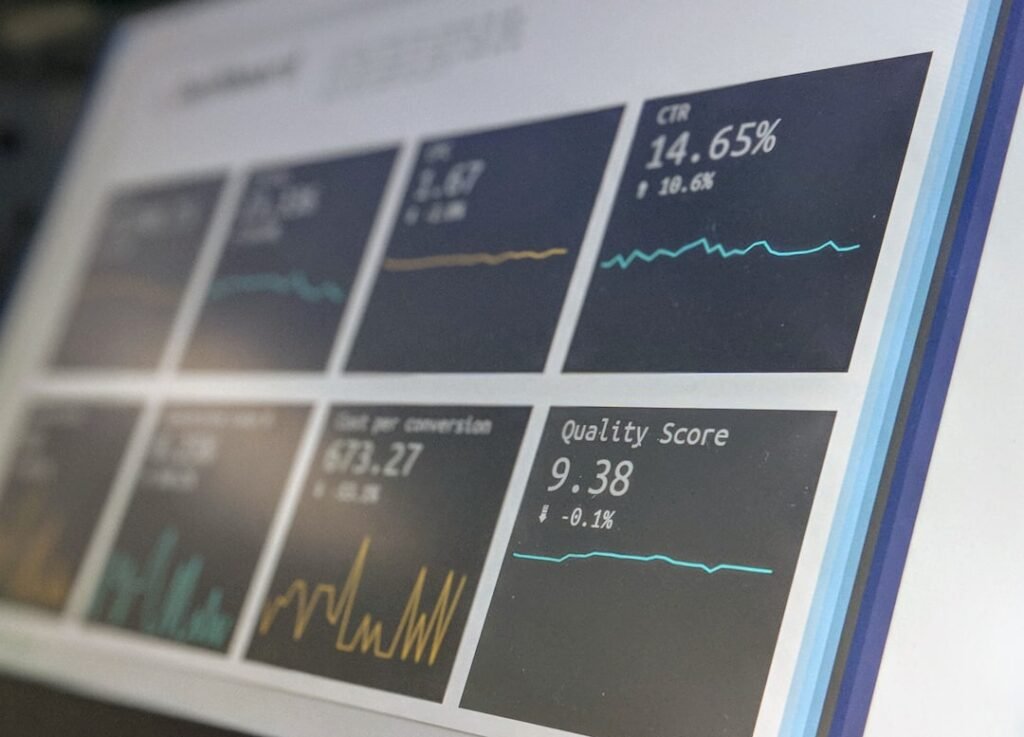
We stand at a pivotal moment in sales operations, a time where the traditional models of sales compensation, while tried and true, are increasingly showing their limitations in a rapidly evolving market. We’ve seen firsthand how tweaking a commission structure can have cascading effects, sometimes positive, often unforeseen, and occasionally detrimental. This is precisely where the power of predictive AI steps in, offering us a revolutionary approach to designing and optimizing sales compensation plans. We’re no longer operating in the dark, making educated guesses; instead, we’re leveraging sophisticated algorithms to illuminate the path forward, allowing us to scenario-test with unparalleled precision and insight.
The Imperative for Optimization in Sales Compensation
We know that sales compensation plans are more than just financial incentives; they are strategic tools that directly influence our sales team’s behavior, motivation, and ultimately, our company’s bottom line. However, designing and refining these plans has historically been a complex, time-consuming, and often iterative process fraught with uncertainty. We’ve all experienced the challenges.
The Traditional Pain Points We Face
Traditionally, we’ve relied on historical data analysis, industry benchmarks, and a healthy dose of intuition to craft our compensation plans. While these methods have their place, they often fall short in anticipating future market shifts or the intricate behavioral responses of our sales force. We’ve found ourselves grappling with:
- Lagging Indicators: We’re often reacting to past performance, missing opportunities to proactively shape future outcomes.
- Limited Scenario Analysis: Manually testing various “what-if” scenarios is resource-intensive and often constrained by time and human capacity. We can’t realistically simulate hundreds or thousands of potential plan permutations.
- Unintended Consequences: A seemingly minor change to a commission rate or a new SPIFF can inadvertently lead to unintended behaviors, such as sandbagging, focus on easy wins over strategic accounts, or even demotivation. We’ve all seen good intentions paved with less-than-optimal results.
- Lack of Agility: Adapting compensation plans quickly to market changes or new product launches becomes a Herculean task, hindering our ability to remain competitive.
The Strategic Importance of an Optimized Plan
A well-optimized sales compensation plan is a cornerstone of our sales strategy. It directly impacts our revenue growth, market share, and sales talent retention. When our plan is finely tuned, we see:
- Maximized Sales Performance: Our sales team is motivated to achieve key objectives.
- Alignment with Business Goals: The plan incentivizes behaviors that directly contribute to our strategic priorities, whether it’s selling high-margin products, acquiring new customers, or expanding into new territories.
- Reduced Attrition: A fair, transparent, and motivating compensation plan helps us attract and retain top sales talent.
- Improved Forecasting Accuracy: Predictable sales behavior leads to more accurate revenue projections.
In the realm of sales operations, the article “Sales Commission Optimization: Using Predictive AI to Scenario-Test Sales Comp Plan Designs” highlights the transformative potential of predictive AI in refining sales compensation strategies. For those interested in exploring how innovative technologies can enhance learning and engagement in various fields, a related article on the impact of connectivism on e-learning can provide valuable insights. You can read more about this topic in the article available at Connectivism: Impact on E-Learning.
Predictive AI: Our New Co-Pilot in Comp Plan Design
This brings us to the exciting prospect of predictive AI. We are no longer limited to reactive adjustments; we can proactively model and forecast the impact of different compensation structures before implementation. AI acts as our powerful co-pilot, helping us navigate the complexities of compensation design with unprecedented clarity.
Understanding Predictive AI in Our Context
Predictive AI, in its essence, uses historical data, machine learning algorithms, and statistical modeling to make informed predictions about future events. For us, this means:
- Data Ingestion: We feed the AI vast amounts of historical sales data, including individual performance metrics, commission payouts, quota attainment, product sales, customer demographics, market conditions, and even broader economic indicators.
- Pattern Recognition: The AI identifies intricate patterns and correlations within this data that we might never spot manually. It uncovers the subtle relationships between different compensation elements and sales outcomes.
- Behavioral Modeling: Critically, AI can learn to model the behavioral responses of our sales force to different incentive structures. It understands that a 5% increase in commission on a particular product won’t always translate to a linear boost in sales for that product across all reps.
- Forecasting and Simulation: Based on these learned patterns, the AI can then forecast how our sales team would likely perform under various hypothetical compensation scenarios.
The Data We Leverage for AI-Driven Insights
The richer and more comprehensive our data, the more powerful and accurate our AI’s predictions will be. We collect and analyze data across several key categories:
- Historical Sales Performance: Revenue, volume, margin, new logos, upsells, cross-sells, average deal size, sales cycle length.
- Individual Sales Rep Data: Quota attainment, tenure, territory demographics, product specialization, previous compensation plans, and even subjective performance reviews (where quantifiable).
- Market Data: Industry trends, competitor compensation structures (where accessible), economic indicators, seasonality.
- Company Specifics: Product profitability, strategic objectives, pricing models, marketing spend.
Scenario-Testing with AI: A Glimpse into Our Future
This is where the magic truly happens. With predictive AI, we can move beyond mere data analysis to dynamic scenario planning. We can ask “what if” questions and receive data-driven answers, allowing us to stress-test our compensation plans in a virtual environment before we ever roll them out to our team.
Modeling Different Compensation Structures
We can use AI to model a vast array of compensation plan designs, exploring their potential impact on our sales team and our financial outcomes. This includes:
- Base Salary vs. Commission Split: How does altering this ratio affect motivation and performance for different segments of our sales force?
- Commission Rate Adjustments: What’s the optimal commission rate for specific products or service lines to drive desired outcomes without overpaying or under-incentivizing?
- Tiered Commission Structures: How do different tiers impact quota attainment and the distribution of earnings among reps?
- Bonuses and Spiffs: What is the most effective way to design short-term incentives to achieve specific, time-sensitive goals, and how do they interact with the core commission plan?
- Quota Setting Impact: How do different quota levels influence motivation, attainment, and overall forecast accuracy?
Predicting Behavioral Responses and Financial Outcomes
Beyond just modeling the structural elements, AI allows us to predict the consequences of these structures. We can see:
- Expected Sales Revenue & Profitability: How will a new plan impact our topline revenue and overall margin? We can predict increases or decreases across different product lines and customer segments.
- Sales Rep Earnings & Distribution: We can visualize how changes will affect the earnings of individual reps and the distribution of earnings across the team. Will it create winners and losers? Will it motivate certain segments more than others?
- Quota Attainment Rates: What percentage of our sales team is likely to hit their quota under a given plan? How will this impact morale and retention?
- Focus Shifting: Will the new plan inadvertently incentivize reps to focus on certain products or customer types at the expense of others? We can model the likelihood of this occurring.
- Retention Forecasts: By analyzing earning potential and perceived fairness, we can even get early indicators of potential sales force attrition associated with certain plan designs.
Identifying Potential Unintended Consequences
This is one of the most critical benefits. AI can uncover subtle, non-obvious impacts that human analysis might miss. For example, a plan designed to boost high-margin product sales might, unbeknownst to us, disincentivize cross-selling opportunities for other important offerings. AI, by understanding the complex interplay of incentives and behaviors, can flag these potential pitfalls before they become real problems. We can then adjust the plan proactively, mitigating risks and ensuring our compensation aligns precisely with our strategic objectives.
Our Strategy for Implementation: Integrating AI into Sales Operations
Integrating AI into our sales compensation design isn’t a one-off project; it’s an ongoing strategic initiative. We are meticulously planning our approach to ensure a smooth and effective transition.
Phased Rollout and Pilot Programs
We believe in a phased approach rather than a “big bang” implementation. We plan to:
- Start Small: Begin with pilot programs, perhaps focusing on a specific product line, sales segment, or a smaller geographic region. This allows us to refine our processes and validate our AI models in a controlled environment.
- Iterative Refinement: We’ll continuously collect feedback from these pilot groups – both from the sales reps and sales managers – and use this data to further train and improve our AI models.
- Gradual Expansion: As we gain confidence and demonstrate success in our pilot programs, we will gradually expand the use of AI to cover more of our sales organization.
Collaborative Approach: Sales Ops, Finance, and Sales Leadership
Successful AI integration requires a truly collaborative effort. We are fostering strong lines of communication and shared ownership across these critical departments:
- Sales Operations: We, in Sales Ops, are the primary drivers of this initiative. We own the data, the AI tools, and the process of running simulations and interpreting results. We translate the technical output of the AI into actionable insights for our leadership.
- Finance: Our Finance partners are crucial for providing financial modeling expertise, helping us understand the budgetary implications of different compensation plans, and ensuring that our proposed plans are financially viable and align with our overall profitability goals. They help us define the ultimate “success metrics” from a financial standpoint.
- Sales Leadership: Our Sales Leaders provide critical context on sales strategy, team dynamics, and market realities. Their insights are invaluable in shaping the parameters for AI simulations and validating the AI’s predictive outputs against their real-world experience. They are also key to driving adoption and buy-in from the sales force.
Continuous Monitoring and Model Improvement
The AI models are not static; they need to evolve. We commit to:
- Ongoing Data Collection: We’ll continuously feed new sales performance data, market intelligence, and compensation outcomes back into our AI models.
- Performance Tracking: We’ll rigorously track the actual performance of our implemented compensation plans against the AI’s predictions. This feedback loop is essential for identifying discrepancies and refining the models.
- Model Retraining: We’ll regularly retrain our AI models with updated data to ensure their accuracy and relevance. As market conditions change, customer behaviors shift, or our product offerings evolve, our AI needs to learn and adapt alongside us.
In the realm of sales operations, the integration of predictive AI is revolutionizing how companies approach their sales commission strategies. A related article that explores innovative techniques for enhancing team collaboration in virtual environments can be found at how to manage a virtual breakout room. This resource highlights the importance of effective communication and engagement, which are essential elements that can complement the insights gained from scenario-testing sales compensation plan designs. By leveraging both predictive AI and effective virtual collaboration strategies, organizations can optimize their sales performance and drive better results.
The Future We Envision: Strategic Advantage Through AI-Powered Compensation
We believe that leveraging predictive AI for sales compensation optimization will fundamentally transform how we operate and compete in the market. This isn’t just about efficiency; it’s about gaining a significant strategic advantage.
Enhanced Agility and Responsiveness
In today’s fast-paced business environment, the ability to adapt quickly is paramount. With AI, we can:
- Rapidly Respond to Market Changes: If a competitor launches a new product, or economic conditions shift, we can quickly simulate the impact on our sales compensation plan and make data-driven adjustments in a fraction of the time it would traditionally take.
- Accelerate New Product Launches: We can design optimal compensation structures for new products or services much more efficiently, ensuring our sales team is immediately incentivized to drive adoption and revenue.
- Proactive Problem Solving: Instead of reacting to declining morale or missed targets, we can use AI to anticipate these issues and adjust our plans before they become widespread problems.
Fairer and More Motivating Compensation Plans
While AI is data-driven, its application also has profound human benefits. We can use it to create compensation plans that are not only effective but also perceived as fairer and more motivating by our sales team.
- Data-Driven Equity: AI can help us identify potential biases or inequities in our compensation plans, ensuring that all reps have a clear and achievable path to high earnings.
- Personalization (Where Applicable): While not full individual customization, AI can help us segment our sales force and design plans that are more optimally suited to different roles, territories, or product specializations.
- Increased Transparency: By understanding the data and the logic behind our AI-driven decisions, we can communicate the rationale for our compensation plans more clearly and transparently to our sales team, fostering greater trust and buy-in.
A Competitive Edge in Attracting and Retaining Talent
In the war for top sales talent, a well-designed compensation plan is a powerful weapon.
- Optimized Earning Potential: We can use AI to ensure our compensation packages are competitive, offering attractive earning potential that draws in high performers.
- Reduced Attrition: By creating plans that foster motivation, reward performance fairly, and clearly link effort to reward, we can significantly reduce sales rep turnover. AI can help us identify and mitigate factors that might lead to demotivation and attrition.
- Strategic Talent Allocation: By understanding which compensation models drive the best results for different sales roles or territories, we can strategically allocate our best talent to areas where they will be most effective and best compensated.
In summary, we are embracing predictive AI not as a replacement for human judgment, but as an indispensable augmentation. It empowers us, in Sales Operations, to move beyond reactive adjustments and become truly proactive, strategic partners in driving our company’s growth. The future of sales compensation is intelligent, data-driven, and relentlessly optimized, and we are leading the charge.
FAQs
What is sales commission optimization?
Sales commission optimization is the process of using data and analytics to design and adjust sales compensation plans in order to maximize sales performance and drive desired behaviors.
How can predictive AI be used in sales commission optimization?
Predictive AI can be used in sales commission optimization to scenario-test different sales compensation plan designs. By analyzing historical sales data and other relevant factors, predictive AI can help identify the most effective commission structures and incentive programs.
What are the benefits of using predictive AI in sales commission optimization?
Using predictive AI in sales commission optimization can help organizations make data-driven decisions, improve sales performance, reduce turnover, and align sales incentives with business objectives. It can also help identify potential issues or inefficiencies in existing compensation plans.
What are some common challenges in sales commission optimization?
Common challenges in sales commission optimization include balancing the need for motivating sales teams with the need to control costs, ensuring fairness and transparency in compensation plans, and adapting to changes in market conditions or business priorities.
How can businesses implement predictive AI in sales commission optimization?
Businesses can implement predictive AI in sales commission optimization by leveraging advanced analytics tools and platforms that are specifically designed for sales operations. This may involve working with data scientists, sales operations experts, and technology vendors to develop and deploy predictive AI models.