
We are constantly navigating a dynamic marketplace, a vast ocean where currents of consumer behavior and economic shifts can dramatically alter our course. As sales operations professionals, understanding these shifts, these market trends, is not merely about staying afloat; it is about charting a course that ensures our sails are always filled with the wind of predictable demand. This understanding directly impacts our ability to perform sales forecasting with any degree of accuracy, a cornerstone of effective sales operations. Without a clear grasp of the market’s ebb and flow, our forecasts become educated guesses, akin to throwing darts blindfolded, hoping to hit a bullseye that may have already moved.
The marketplace is not a static entity; it is a living, breathing ecosystem constantly reshaped by evolving consumer preferences. We, as sales operations teams, must be adept at observing these subtle, and sometimes seismic, shifts. These changes in how consumers want to buy, what they want to buy, and why they want to buy it, are the bedrock upon which our forecasts are built. Ignoring them is akin to building a house on quicksand – it’s destined to crumble.
The Digital Tidal Wave: E-commerce and Omnichannel Expectations
The meteoric rise of e-commerce has fundamentally altered the retail landscape. Consumers are no longer tethered to physical storefronts; their purchasing power now extends to the global digital marketplace, accessible at any time. This has created an omnichannel expectation – a seamless experience across all touchpoints, be it online, in-store, or via mobile. If our forecasting models do not account for the increasing proportion of sales migrating online, or the interconnectedness of these channels, we are essentially looking at only a fraction of the sales pie. This necessitates a granular understanding of digital traffic patterns, conversion rates for different online platforms, and the impact of digital marketing campaigns on offline sales. We need to ask ourselves: have we adequately integrated our online sales data into our overall forecast? Are we attributing sales correctly when a customer researches online and buys in-store, or vice versa?
The Rise of the Conscious Consumer: Sustainability and Ethical Sourcing
A growing segment of consumers is now driven by more than just price and convenience. They are increasingly concerned with the ethical and environmental implications of their purchases. Brands that demonstrate a commitment to sustainability, fair labor practices, and responsible sourcing are gaining a competitive edge. We must therefore incorporate these evolving values into our market trend analysis. Are there emerging product categories driven by this trend? Are our competitors capitalizing on this demand, thereby impacting our potential market share? Ignoring the “conscious consumer” is like ignoring a rising tide – it will eventually reach us, whether we are prepared or not. This means delving into market research that highlights consumer sentiment on environmental issues, tracking the growth of eco-friendly product lines, and understanding how our brand’s sustainability initiatives (or lack thereof) might influence future sales.
Personalization as the New Standard
Gone are the days of one-size-fits-all marketing and sales approaches. Consumers now expect personalized experiences, tailored product recommendations, and communication that resonates with their individual needs and preferences. This shift towards hyper-personalization has a direct correlation with sales forecasting. We need to understand how personalized marketing campaigns influence purchase intent and how customer data, when leveraged ethically and effectively, can improve predictive accuracy. This might involve analyzing the effectiveness of targeted promotions, understanding the impact of loyalty programs on repeat purchases, and predicting the demand for customized product offerings. Are we equipped to forecast sales based on individual customer segments rather than broad market aggregates?
The Experience Economy: Beyond the Product
For many consumers, the purchase is no longer just about the product itself, but about the experience it facilitates. This could be the thrill of unboxing a new gadget, the convenience of a subscription service, or the joy of attending a virtual event. Sales operations must recognize this shift towards an “experience economy” when forecasting. We need to understand how the perceived value of an experience influences demand. This might involve analyzing the sales impact of bundled services, subscription models,, or even the customer service interactions that frame the entire purchase journey. Are we forecasting based on the core product alone, or are we factoring in the surrounding experiences that drive customer loyalty and repeat business?
In exploring the dynamics of sales forecasting, it is essential to consider various factors that influence market trends. A related article that delves into the impact of behavioral theories on educational technology can provide valuable insights into consumer behavior, which is crucial for accurate sales predictions. For more information, you can read the article on the effects of behaviorism in e-learning at this link. Understanding these psychological aspects can enhance sales operations by aligning strategies with market demands.
Economic Winds and Their Impact on Our Sails
The economic climate is the rudder that steers the vast ship of market demand. We, as sales operations navigators, must have a keen eye on the economic horizon, ready to adjust our sails as the winds of inflation, recession, or growth buffet us. Our ability to forecast sales accurately is inextricably linked to our comprehension of these macroeconomic forces.
Inflationary Pressures and Price Elasticity
Inflation is a powerful economic force that directly impacts consumer purchasing power. As prices rise, consumers become more sensitive to cost, leading to changes in buying behavior. For sales operations, this means understanding the price elasticity of our products and services. Are our offerings considered necessities or luxuries? How will a sustained period of inflation affect demand for our goods? This requires careful analysis of historical sales data during inflationary periods, alongside an assessment of our competitive pricing strategies. We might need to forecast a potential dip in sales volumes even if revenue remains stable, or vice versa. Are we anticipating shifts in which product tiers customers are likely to choose based on economic pressure?
Recessionary Clouds and Defensive Strategies
The specter of recession is a serious concern for any sales organization. During economic downturns, consumer and business spending typically contracts, leading to a decline in demand. Our forecasting models must be robust enough to anticipate the impact of a recession. This involves understanding which industries are most vulnerable, identifying product categories that are more resilient, and planning for potential shifts in customer buying patterns. We might need to forecast lower overall sales but also identify opportunities for defensive products or services that remain in demand. This is where scenario planning becomes critical. Are we prepared to forecast for a best-case, worst-case, and most-likely economic scenario?
Investment and Growth Cycles: Riding the Wave of Prosperity
Conversely, periods of economic growth present opportunities for increased sales. When businesses and consumers are confident, they tend to spend more, driving demand for our products and services. Our forecasting must capture this upward momentum. We need to identify leading economic indicators that signal sustained growth and understand how our industry is positioned to benefit. This involves analyzing investment trends, consumer confidence indices, and sector-specific growth forecasts. Are we accurately forecasting the surge in demand that accompanies a robust economy? This might involve predicting increases in deal sizes, higher sales volumes, and greater adoption rates for new offerings.
Interest Rates and Borrowing Costs: The Impact on B2B Sales
For business-to-business (B2B) sales operations, interest rates play a crucial role. Higher interest rates increase the cost of borrowing for businesses, which can impact their investment decisions and, consequently, their purchasing power. If our products or services require significant upfront investment from our clients, rising interest rates could lead to delayed purchasing decisions or a contraction in the size of deals. We need to factor in the cost of capital for our clients when forecasting. Are we considering how changes in interest rates might affect our clients’ ability to finance large purchases? This requires a dialogue with our sales teams about perceived customer concerns and an analysis of historical sales data in periods of fluctuating interest rates.
Technological Currents: The Innovation Tide
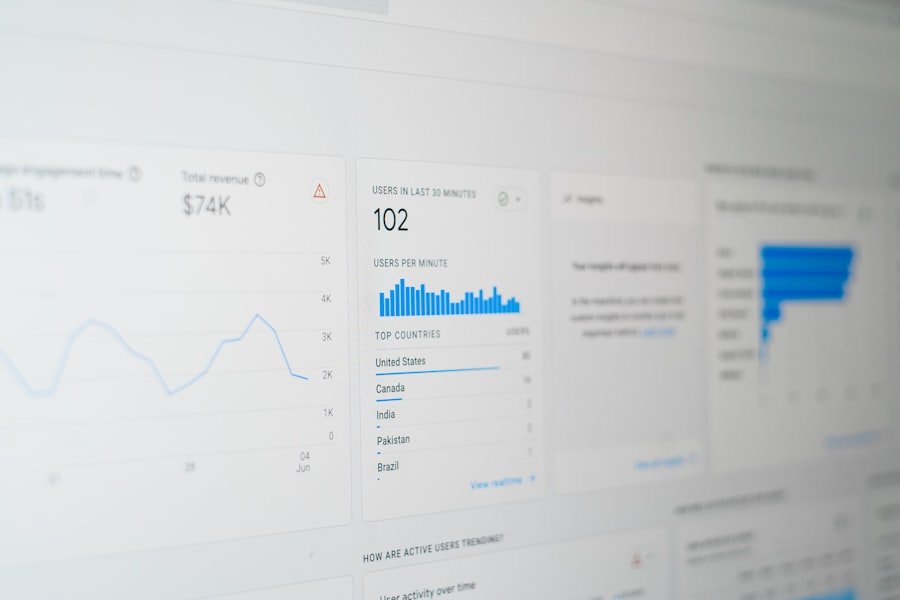
Technology is a relentless tide, constantly reshaping the way we work, communicate, and consume. For sales operations, keeping pace with technological advancements is not optional; it is essential for maintaining our forecasting acumen. Innovations can create entirely new markets, render old ones obsolete, and fundamentally alter how sales are made.
Artificial Intelligence and Machine Learning in Forecasting
We are increasingly leveraging Artificial Intelligence (AI) and Machine Learning (ML) to enhance our sales forecasting capabilities. These technologies can analyze vast datasets, identify complex patterns that human analysts might miss, and provide more dynamic and predictive insights. AI can automate tasks, refine algorithms, and offer a level of predictive accuracy that was previously unattainable. However, the successful implementation of AI in forecasting requires clean, well-structured data and a clear understanding of the algorithms being used. Are we investing in the right AI tools and training our teams to interpret their outputs effectively? The challenge lies not just in adopting the technology, but in integrating it seamlessly into our existing sales processes.
The Rise of Automation in Sales Processes
Automation is streamlining many aspects of the sales lifecycle, from lead qualification to contract management. This automation can provide a wealth of data that, when analyzed, can inform our sales forecasts. For instance, if we automate lead scoring, we can gain insights into the quality and volume of leads entering our pipeline, which directly impacts future sales predictions. Similarly, automated deal tracking can provide real-time visibility into the progress of opportunities, allowing us to refine our forecasts with greater precision. Are we capturing and analyzing the data generated by our sales automation tools to improve our forecasting models? This is about turning operational efficiency into predictive intelligence.
New Sales Channels and Platforms: Expanding Our Reach
Technological advancements are continually opening up new sales channels and platforms. From social selling and live commerce to virtual showrooms and augmented reality experiences, these innovations offer new avenues for reaching customers. Our forecasting must account for the potential impact of these emerging channels. Are we experimenting with new platforms and understanding their sales potential? Ignoring these new frontiers is akin to closing doors on potential revenue streams. We need to research, pilot, and then integrate the successful new channels into our forecasting models, understanding how they complement or compete with our existing sales efforts.
Data Analytics and Big Data: The Compass for Our Journey
The proliferation of data, often referred to as “Big Data,” provides an unprecedented opportunity for informed decision-making. For sales operations, the ability to collect, clean, and analyze this data is fundamental to accurate forecasting. We are no longer operating in an information vacuum. Instead, we are faced with a deluge of data from CRM systems, marketing automation platforms, website analytics, and social media. The challenge is to extract meaningful insights from this data ocean. Are we effectively harnessing the power of data analytics to understand customer behavior, market dynamics, and sales performance? This requires robust data infrastructure, skilled analysts, and a commitment to data-driven decision-making.
Competitive Landscapes: Navigating the Crowded Seas

The competitive landscape is a complex and ever-shifting terrain. Other boats are sailing in the same waters, and their movements can significantly impact our own journey. Understanding the actions and strategies of our competitors is a vital component of accurate sales forecasting.
Competitor Market Share and Penetration
We must continually monitor our competitors’ market share and penetration. If a competitor is aggressively expanding into a new territory or launching a highly successful new product, it will undoubtedly impact our own sales potential. Our forecasting needs to account for these competitive pressures. Are we factoring in potential market shifts driven by competitor activities? This requires ongoing competitive intelligence gathering, analyzing their product launches, pricing strategies, and marketing campaigns.
Disruptive Innovations by Competitors
A competitor might introduce a disruptive innovation that fundamentally changes the market. This could be a new technology, a more efficient business model, or a unique value proposition. Such disruptions can drastically alter demand for our existing offerings. Our forecasting must be agile enough to anticipate and respond to these seismic shifts. Are we monitoring the innovation landscape within our industry and identifying potential threats from competitors? This means fostering a culture of continuous learning and being prepared to pivot our strategies when necessary.
Mergers and Acquisitions: Shifting Alliances and Market Power
Mergers and acquisitions among competitors can lead to significant shifts in market dynamics. A consolidation of market power can create new dominant players, alter distribution channels, and influence pricing strategies. Our forecasting needs to consider the potential impact of these strategic maneuvers. Have we analyzed the competitive landscape post-merger and adjusted our forecasts accordingly? This requires understanding the strategic goals of acquiring entities and forecasting how their combined strength might affect our market position.
The Impact of New Entrants
The market is rarely static, and new, often agile, competitors can emerge, challenging established players. These new entrants might have innovative business models, access to new technologies, or a fresh approach to customer service, all of which can steal market share. Our forecasting must include a mechanism for identifying and assessing the potential impact of these new entrants. Are we actively scanning the horizon for emerging players and understanding their potential threat? This proactive approach allows us to adjust our strategies and forecasts before their impact becomes too significant.
In exploring the nuances of sales forecasting, it is essential to consider how market trends play a pivotal role in shaping sales operations. A related article that delves deeper into this topic is the High Growth Handbook, which offers valuable insights into scaling businesses effectively. By understanding the dynamics of market fluctuations, sales teams can better align their strategies to meet evolving consumer demands. For more information, you can read the full article in the High Growth Handbook.
Internal Factors: The Condition of Our Own Ship
| Metric | Description | Impact of Market Trends | Example Value |
|---|---|---|---|
| Sales Growth Rate | Percentage increase or decrease in sales over a period | Market trends can accelerate or decelerate growth depending on demand shifts | 8% |
| Forecast Accuracy | Degree to which sales forecasts match actual sales | Volatile market trends reduce accuracy, requiring frequent model updates | 75% |
| Customer Demand Variability | Fluctuations in customer purchasing behavior | High variability due to trends complicates forecasting | 15% |
| Inventory Turnover | Number of times inventory is sold and replaced | Trends influence product popularity, affecting turnover rates | 6 times/year |
| Lead Time | Time between order placement and delivery | Market trends may require shorter lead times to meet demand | 10 days |
| Market Share | Percentage of total sales in the market captured | Trends can shift market share among competitors | 22% |
| Promotional Effectiveness | Impact of marketing campaigns on sales volume | Trend alignment increases promotional success | 30% uplift |
While external market trends are crucial, we cannot overlook the internal factors that influence our sales operations and forecasting capabilities. The condition of our own ship, the efficiency of our crew, and the quality of our equipment all play a vital role.
Sales Team Performance and Resource Allocation
The performance of our sales team is a direct driver of our sales figures. Factors such as team size, skill levels, motivation, and effective territory management all contribute to revenue generation. Our forecasting must consider these internal elements. Are we accurately assessing the capacity and capabilities of our sales force when making predictions? This involves analyzing individual and team performance metrics, evaluating the effectiveness of our sales training programs, and ensuring that resources are allocated optimally across territories.
Product Lifecycle and Innovation Pipeline
The stage of our product lifecycle significantly impacts sales forecasts. Products in their introduction or growth phases typically experience higher sales growth than those in maturity or decline. Furthermore, our innovation pipeline, the development of new products or significant upgrades, can create future sales opportunities that need to be factored into our long-term forecasts. Are we accurately mapping our product lifecycles and integrating our innovation pipeline into our forecasting models? This requires close collaboration between sales, marketing, and product development teams.
Marketing Campaigns and Promotional Activities
The effectiveness and reach of our marketing campaigns and promotional activities directly influence sales. A well-executed campaign can significantly boost demand, while a lackluster one can fail to generate the expected traction. Our sales forecasts must incorporate the planned impact of these initiatives. Are we collaborating with the marketing department to understand the objectives and expected outcomes of their campaigns? This is about creating a feedback loop where marketing efforts can be translated into predictable sales outcomes. Analyzing the ROI of past campaigns is crucial for refining future projections.
Channel Partner Performance and Reach
Many organizations rely on channel partners, such as distributors, resellers, or affiliates, to reach their customers. The performance and effectiveness of these partners are critical to our overall sales success. Our forecasting must account for the sales generated through these indirect channels, as well as their growth potential. Are we effectively monitoring the performance of our channel partners and factoring their contribution into our sales forecasts? This requires clear communication, robust reporting mechanisms, and a collaborative approach to sales planning with our partners.
In conclusion, as sales operations professionals, we are engaged in a continuous dance with market trends. These trends, whether driven by shifts in consumer behavior, economic fluctuations, technological advancements, competitive pressures, or internal dynamics, are the invisible forces that shape our sales landscape. Our ability to forecast accurately, to set realistic goals, and to allocate resources effectively, hinges on our keen observation and understanding of these currents. By constantly refining our analytical tools, fostering strong cross-functional collaboration, and remaining agile in our approach, we can navigate the complexities of the market and steer our sales organization towards sustained success. Our forecasts are not just numbers; they are the compass by which we navigate the vast and ever-changing waters of commerce.
FAQs
What is sales forecasting?
Sales forecasting is the process of estimating future sales revenue based on historical data, market trends, and other relevant factors. It helps businesses plan inventory, allocate resources, and set sales targets.
How do market trends affect sales forecasting?
Market trends influence consumer behavior, demand patterns, and competitive dynamics. By analyzing these trends, businesses can make more accurate sales forecasts that reflect current and anticipated market conditions.
What types of market trends are important for sales forecasting?
Important market trends include changes in consumer preferences, technological advancements, economic shifts, seasonal variations, and competitor activities. Monitoring these trends helps adjust sales forecasts accordingly.
Why is sales forecasting important for sales operations?
Sales forecasting enables sales operations teams to optimize resource allocation, manage inventory levels, set realistic sales targets, and improve overall business planning and decision-making.
What methods are commonly used in sales forecasting?
Common methods include historical sales analysis, market research, statistical modeling, and predictive analytics. Combining multiple methods often results in more accurate forecasts.
How can businesses stay updated on market trends?
Businesses can stay updated by monitoring industry reports, analyzing customer feedback, following economic indicators, attending trade shows, and using data analytics tools.
What challenges do market trends pose to sales forecasting?
Rapid changes in market trends, unpredictable consumer behavior, and external factors like economic downturns or regulatory changes can make sales forecasting more complex and less accurate.
How can technology improve sales forecasting in relation to market trends?
Technology such as AI, machine learning, and big data analytics can process large volumes of data, identify patterns, and provide real-time insights, enhancing the accuracy and responsiveness of sales forecasts.
Can sales forecasting help in identifying new market opportunities?
Yes, by analyzing market trends and sales data, businesses can identify emerging customer needs and potential growth areas, enabling them to capitalize on new opportunities.
How often should sales forecasts be updated?
Sales forecasts should be reviewed and updated regularly, often monthly or quarterly, to reflect the latest market trends, sales performance, and business conditions.