We often talk about sales as a strategic endeavor. We pore over spreadsheets, forecast trends, and strategize about customer acquisition. But how much of this is truly informed by what’s happening right now? For too long, sales operations have been like navigators charting a course based on outdated maps, hoping the currents haven’t shifted too drastically. We are here to discuss how leveraging real-time analytics can transform our approach, turning our sales operations from a rearview mirror perspective to a dynamic, forward-looking engine that actively drives profitable growth.
The sales landscape is no longer a static battlefield; it’s a constantly shifting ecosystem. Customer behaviors, market dynamics, and competitor actions are in perpetual motion. To thrive, our sales operations must mirror this agility. Real-time analytics isn’t just a buzzword; it’s the critical tool that allows us to perceive this dynamism, understand its implications, and make swift, informed decisions that directly impact our bottom line. This is about moving beyond intuition and historical data to a place where our actions are guided by the pulse of our sales process.
When we discuss “real-time” in the context of sales operations, we’re not talking about a fleeting moment of insight. Instead, it refers to the continuous and immediate capture, processing, and analysis of data as it is generated. This means that the information we use to make decisions reflects the most current state of our sales activities, customer interactions, and market conditions. This immediacy is what separates effective sales operations from those that are merely reactive.
The Data Streams: Where the Real-Time Insights Originate
- Customer Relationship Management (CRM) Systems: These are the bedrock of our sales data. Every interaction, every lead update, every deal stage change within our CRM systems represents a live data point. The speed at which this information is entered and made accessible directly impacts our ability to react. If there’s a delay in updating a lead status, our real-time view is already distorted.
- Marketing Automation Platforms (MAPs): The engagement of our prospects with marketing campaigns – email opens, website visits, content downloads – provides a constant flow of intent signals. Real-time integration between MAPs and CRMs allows sales to see which leads are becoming warm and ready for outreach.
- Communication Tools: Emails, chat logs, and call records, when analyzed in real-time, can reveal customer sentiment, common objections, and emerging needs. Even the frequency and tone of communication can be a powerful indicator.
- E-commerce and Transactional Data: For businesses with direct sales channels, the immediate recording of purchases, abandoned carts, and order statuses offers a direct window into customer behavior and purchasing intent.
- Social Media and Web Monitoring: Tracking mentions of our brand, products, competitors, and relevant industry keywords provides a crucial external perspective. Real-time monitoring allows us to identify customer service issues, competitive threats, or emerging market trends as they unfold.
The Technology Stack: Enabling the Flow of Information
Operating with real-time analytics requires a robust technological infrastructure. This isn’t about having a single, magical software solution; it’s about the seamless integration of various systems.
- Data Integration Platforms (ETL/ELT): These are the unsung heroes, ensuring data from disparate sources is consistently and efficiently moved and transformed for analysis. Without effective integration, our real-time data will be fragmented and unreliable.
- Real-Time Databases and Data Warehouses: Traditional batch processing can introduce significant delays. We need solutions that can ingest and query data with minimal latency.
- Business Intelligence (BI) and Analytics Tools: The actual processing and visualization of this data fall to BI tools. These platforms must be capable of handling high-velocity data streams and presenting actionable insights in an easily digestible format.
- APIs and Webhooks: These are the connectors that allow different software systems to communicate with each other in real-time, enabling the immediate transfer of data.
In the realm of sales operations, leveraging real-time analytics can significantly enhance decision-making processes, as discussed in the article “Using Real-Time Analytics to Drive Sales Decisions.” For further insights into the importance of data visualization and its impact on decision-making, you may find the article “Beautiful Evidence” particularly enlightening. This piece explores how effective presentation of data can lead to better understanding and outcomes in various fields, including sales. You can read more about it here: Beautiful Evidence Book Review.
Driving Sales Strategy with Real-Time Performance Metrics
Once we have the infrastructure in place, the true power of real-time analytics lies in its application to our sales strategy. We are no longer guessing; we are observing, interpreting, and acting based on current performance. This allows us to optimize our efforts and allocate resources where they will have the greatest impact.
Real-Time Pipeline Management: The Lifeblood of Our Sales
The sales pipeline is the arteries of our revenue generation. Real-time visibility into its health is paramount.
- Stage Velocity and Conversion Rates: Are deals moving through the pipeline at the expected pace? Are there specific stages where deals are getting stuck? Real-time tracking of stage velocity and conversion rates allows us to identify bottlenecks almost immediately. This is like having a radar that tells us which parts of the pipe are experiencing low pressure.
- Deal Health and Risk Assessment: By monitoring key deal indicators – recent activity, engagement levels, outstanding action items – we can flag deals that are at risk of stalling or churning. This proactive approach allows sales leaders to intervene before a deal is lost, offering targeted support or resources to the sales representative. Imagine a traffic controller who can see a potential pile-up forming and reroute vehicles before it happens.
- Pipeline Forecasting Accuracy: Traditional forecasting often relies on historical averages and subjective assessments. Real-time pipeline updates provide a dynamic basis for more accurate short-term and even medium-term forecasts. This allows for better resource planning and inventory management.
Lead Scoring and Prioritization: Focusing Our Efforts
Not all leads are created equal, and real-time analytics helps us identify the most promising ones.
- Behavioral Scoring: By tracking a lead’s real-time engagement with our content, website, and marketing campaigns, we can assign scores that reflect their current level of interest and intent. A lead who has visited our pricing page multiple times in the last hour is likely more interested than one who hasn’t engaged in weeks.
- Demographic and Firmographic Alignment: Integrating real-time data on company size, industry, and technographics with lead scores helps us prioritize those that best fit our Ideal Customer Profile (ICP).
- Dynamic Re-Scoring: As new data becomes available, lead scores should dynamically adjust. A lead previously considered low-priority might suddenly become a hot prospect based on recent activity.
Sales Activity Monitoring: Ensuring Productivity and Effectiveness
Monitoring sales activities in real-time provides insights into team productivity and the effectiveness of their actions.
- Call and Email Volume and Effectiveness: While simply counting calls and emails is a basic metric, real-time analysis can also look at response rates, average handling times, and even sentiment analysis of communication transcripts to gauge effectiveness.
- Meeting Cadence and Outcomes: Tracking the frequency and success rates of sales meetings helps identify coaching opportunities and best practices. Are representatives holding enough meetings? Are those meetings leading to positive next steps?
- Time Spent on Key Tasks: Understanding how sales representatives are spending their time – prospecting, closing, administrative tasks – can highlight areas for efficiency improvements or support needs.
Optimizing Sales Performance with Real-Time Feedback Loops
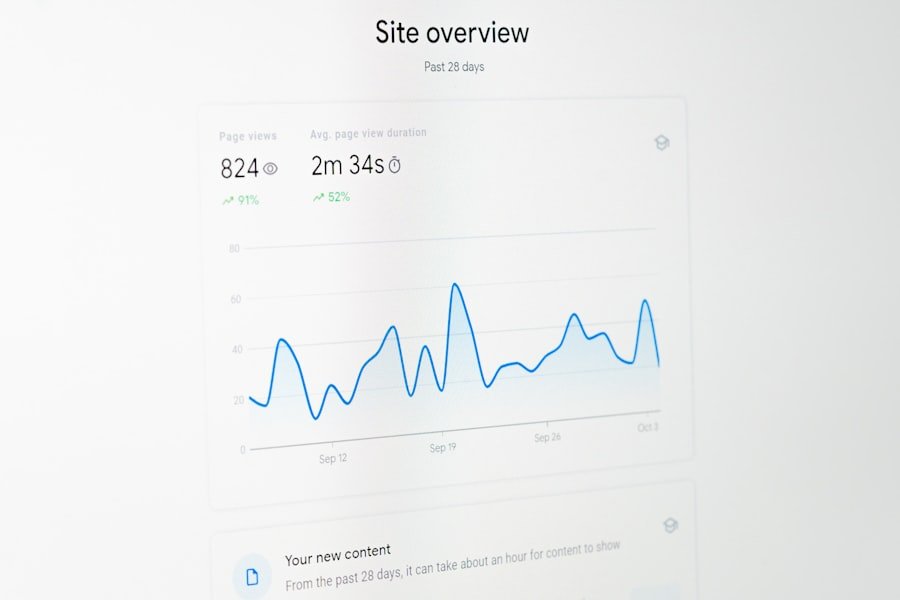
Real-time analytics isn’t just about observing; it’s about creating a continuous loop of feedback that informs and refines our sales processes. This empowers both individual sales representatives and the sales organization as a whole to improve their performance.
Performance Dashboards: The Command Center for Sales Leaders
For sales leaders, real-time dashboards are the command center. They provide an immediate overview of key performance indicators (KPIs) across the team.
- Key Performance Indicator (KPI) Visualization: Dashboards should display critical metrics such as revenue generated, deals closed, pipeline value, average deal size, and conversion rates – all updated in real-time. This allows for quick identification of trends, successes, and areas needing attention.
- Territory and Individual Performance: Leaders can quickly assess the performance of different sales territories and individual representatives, enabling targeted interventions and recognition.
- Goal Tracking and Attainment: Real-time dashboards allow for constant monitoring of progress towards sales goals, providing motivation and identifying shortfalls early on.
Individual Sales Representative Enablement: Empowering the Front Lines
Individual sales representatives are the engine of our sales efforts. Real-time analytics can directly empower them.
- Personalized Insights and Recommendations: Imagine a sales rep receiving an alert that a prospect they are trying to reach has just visited a competitor’s website. This allows them to tailor their follow-up strategy. Or, they might receive a recommendation based on a successful similar deal.
- Real-Time Coaching and Support: Sales managers can use real-time data to identify when a representative might be struggling with a particular objection or deal stage and offer immediate coaching or assistance, rather than waiting for a weekly sales meeting.
- Automated Task Management and Reminders: Real-time systems can automate reminders for follow-ups, task completion, and data entry, reducing the administrative burden on sales reps and ensuring nothing falls through the cracks.
Identifying and Mitigating Sales Blockers: Clearing the Path to Success
Real-time analytics excels at identifying and addressing impediments that slow down our sales process.
- Common Objections and Pain Points: By analyzing communication patterns and historical data, we can identify recurring customer objections or pain points. This information can then be used to develop better training materials, sales scripts, and product messaging.
- Process Bottlenecks: As mentioned in pipeline management, real-time data can pinpoint specific stages or processes where deals are consistently getting stuck. This allows for targeted process improvements.
- Resource Gaps: Real-time demand for certain types of information or support can highlight resource limitations. For example, if multiple sales reps are requesting specific case studies simultaneously, it indicates a need for better access or content creation.
Leveraging Real-Time Data for Proactive Customer Engagement

The customer journey is not a single event; it’s a continuous experience. Real-time analytics allows us to engage with our customers proactively and deliver exceptional experiences that foster loyalty and drive repeat business.
Understanding Customer Sentiment in Real-Time: The Voice of the Customer, Heard Instantly
Listening to the voice of the customer is crucial, and real-time analytics amplifies this ability.
- Social Media Monitoring and Sentiment Analysis: Tools that monitor social media platforms can flag mentions of our brand, products, or services. Sentiment analysis then categorizes these mentions as positive, negative, or neutral, allowing us to respond rapidly to customer issues or capitalize on positive feedback. An unhappy customer tweeting about a problem can be addressed before it escalates into a wider PR issue.
- Customer Support Ticket Analysis: Real-time analysis of incoming customer support tickets can identify trending issues, product bugs, or service level agreement (SLA) breaches, enabling faster resolution and proactive communication to affected customers.
- Website and App User Behavior: Tracking how customers interact with our digital properties in real-time can reveal points of friction, confusion, or delight. This allows us to optimize user interfaces and improve the overall customer experience.
Personalized Upselling and Cross-selling Opportunities: Seizing the Moment
Real-time data can identify the perfect moment to offer additional value to our customers.
- Transaction-Based Recommendations: After a customer makes a purchase, real-time analysis of their buying history and current trends can trigger personalized recommendations for complementary products or upgrades. Amazon’s “Customers who bought this also bought…” feature is a classic example.
- Behavioral Triggers for Engagement: If a customer has recently used a particular feature of our product extensively, real-time analytics can trigger an offer for advanced training or an upgrade that unlocks even more powerful capabilities related to that usage.
- Time-Sensitive Offers and Promotions: Identifying moments of high customer engagement or specific needs can allow for the delivery of timely, personalized offers that are more likely to convert.
Proactive Issue Resolution and Service Recovery: Turning Problems into Opportunities
When issues arise, real-time analytics allows us to address them swiftly and effectively, potentially turning a negative experience into a positive one.
- Early Warning Systems for Service Disruptions: If real-time monitoring detects an increase in errors or performance degradation on a specific service, we can proactively notify affected customers and work towards a rapid resolution before widespread dissatisfaction occurs.
- Tailored Customer Outreach for Problem Solving: If analytics reveals that a customer is repeatedly encountering a specific issue, a proactive outreach from a customer success manager with a tailored solution can demonstrate our commitment and prevent churn.
- Feedback Loop for Product Improvement: Analyzing patterns of customer issues in real-time provides invaluable feedback to our product development teams, allowing for faster iteration and improvement, thereby reducing future problems.
In the ever-evolving landscape of sales operations, leveraging real-time analytics has become essential for driving informed decisions that enhance performance. A related article discusses the significance of aligning product and sales teams, emphasizing how this collaboration can further optimize sales strategies. For more insights on this topic, you can read the article on the importance of aligning product and sales teams. By integrating these approaches, organizations can create a more cohesive strategy that ultimately leads to increased sales effectiveness.
The Future of Sales Operations: Becoming Insight-Driven and Agile
| Metric | Description | Example Value | Impact on Sales Operations |
|---|---|---|---|
| Real-Time Lead Conversion Rate | Percentage of leads converted into customers in real-time | 18% | Helps prioritize high-potential leads for immediate follow-up |
| Average Response Time | Time taken to respond to a sales inquiry or lead | 2 minutes | Faster responses increase chances of closing deals |
| Sales Pipeline Velocity | Rate at which deals move through the sales pipeline | 25 days | Identifies bottlenecks and accelerates sales cycles |
| Real-Time Sales Forecast Accuracy | Accuracy of sales predictions based on live data | 92% | Improves resource allocation and inventory management |
| Customer Engagement Score | Measure of customer interactions and interest level | 75/100 | Guides personalized sales strategies and follow-ups |
| Upsell/Cross-sell Rate | Percentage of sales involving additional products or services | 12% | Drives revenue growth through targeted offers |
| Deal Win Rate | Percentage of deals won out of total opportunities | 35% | Measures effectiveness of sales tactics and strategies |
Embracing real-time analytics is not just about acquiring new technology; it’s about fostering a cultural shift within our sales operations. It’s about moving from a data hoard to a data-driven engine.
Cultivating a Data-Driven Sales Culture: Beyond Gut Feeling
This cultural shift requires a commitment from every level of the organization.
- Empowering Sales Teams with Access to Data: Sales representatives should not be treated as data janitors but as data informed decision-makers. Providing them with easy access to relevant real-time insights empowers them to take ownership of their performance.
- Training and Development in Data Literacy: We need to equip our sales teams with the skills to interpret and act upon the data presented to them. This might involve training sessions on understanding dashboards, interpreting trends, and using analytics tools effectively.
- Encouraging Experimentation and Iteration: A data-driven culture encourages experimentation. By using real-time analytics, we can quickly test new sales tactics or strategies, measure their impact, and iterate based on the results. This is a departure from rigid, long-term planning that doesn’t account for market shifts.
The Role of Artificial Intelligence (AI) and Machine Learning (ML) in Real-Time Analytics
The synergy between real-time analytics and AI/ML is a powerful force multiplier.
- Predictive Analytics for Future Trends: AI can analyze vast amounts of real-time data to identify patterns and predict future customer behavior, market trends, and sales outcomes with greater accuracy than traditional methods.
- Automated Decision Support and Recommendations: AI-powered systems can provide automated recommendations to sales representatives, such as the best next action to take with a particular lead or the optimal time to send a follow-up email.
- Anomaly Detection and Fraud Prevention: ML algorithms can quickly identify unusual patterns in sales transactions or customer behavior that might indicate potential fraud or operational inefficiencies.
Continuous Improvement and Adaptation: Staying Ahead of the Curve
The sales landscape is constantly evolving, and our operations must too.
- Agile Sales Methodologies: Real-time analytics is a natural fit for agile sales methodologies that emphasize rapid iteration, continuous feedback, and adaptation.
- Benchmarking Against Real-Time Market Data: By constantly monitoring market trends and competitor activities in real-time, we can ensure our strategies remain competitive and relevant.
- Measuring the Impact of Change: When we implement new sales strategies or processes, real-time analytics allows us to measure their impact immediately and make adjustments as needed, ensuring we are always optimizing for the best outcomes.
In conclusion, for sales operations to truly drive sales decisions, we must move beyond periodic reporting and embrace the power of real-time analytics. It’s about transforming our operations from a reactive observer to a proactive, intelligent engine that understands the pulse of our business and acts decisively to accelerate growth and cultivate lasting customer relationships. The future of profitable sales operations is being written in the immediate moment, and we have the tools to be its authors.
FAQs
What is real-time analytics in sales operations?
Real-time analytics in sales operations refers to the process of collecting, processing, and analyzing sales data as it is generated. This allows sales teams to make immediate, informed decisions based on the most current information available.
How does real-time analytics improve sales decision-making?
Real-time analytics provides up-to-date insights into customer behavior, sales trends, and market conditions. This enables sales teams to quickly identify opportunities, adjust strategies, optimize pricing, and respond to customer needs more effectively, ultimately driving better sales outcomes.
What types of data are used in real-time sales analytics?
Data used in real-time sales analytics typically includes customer interactions, transaction records, website activity, inventory levels, marketing campaign performance, and external market data. Combining these data sources helps create a comprehensive view of sales performance.
What tools are commonly used for real-time sales analytics?
Common tools for real-time sales analytics include business intelligence platforms, customer relationship management (CRM) systems with analytics capabilities, data visualization software, and specialized sales analytics applications that integrate with existing sales infrastructure.
Can real-time analytics help in forecasting sales?
Yes, real-time analytics can enhance sales forecasting by providing current data trends and patterns. This allows sales teams to make more accurate predictions about future sales performance and adjust their strategies accordingly.
What are the challenges of implementing real-time analytics in sales operations?
Challenges include integrating diverse data sources, ensuring data quality and accuracy, managing large volumes of data, training staff to interpret analytics, and investing in the necessary technology infrastructure.
How does real-time analytics impact customer experience?
By leveraging real-time analytics, sales teams can personalize interactions, respond promptly to customer inquiries, and tailor offers based on current customer behavior, leading to improved customer satisfaction and loyalty.
Is real-time analytics suitable for all types of sales organizations?
While real-time analytics can benefit many sales organizations, its suitability depends on factors such as the size of the sales team, complexity of sales processes, availability of data, and technological readiness. Organizations should assess their specific needs before implementation.
How frequently should sales data be analyzed in real-time analytics?
The frequency of analysis depends on business needs but typically ranges from continuous streaming data analysis to updates every few minutes or hours. The goal is to provide timely insights that support quick decision-making.
What is the difference between real-time analytics and traditional sales reporting?
Traditional sales reporting often involves analyzing historical data at set intervals (daily, weekly, monthly), whereas real-time analytics processes data instantly as it is generated, enabling immediate insights and faster response times.