
As sales operations professionals, we are constantly seeking ways to optimize our strategies and demonstrate tangible value. In today’s complex marketing and sales landscape, the question of “what truly drives revenue?” has become more intricate than ever. We’re bombarded with data from countless touchpoints, and the traditional last-touch attribution model, while simple, often paints an incomplete and even misleading picture. This is where the multi-touch attribution model, particularly when supercharged by artificial intelligence, emerges as our beacon, illuminating the true return on investment (ROI) of every marketing and sales dollar we spend. We’ve seen firsthand how this sophisticated approach is revolutionizing the way we understand customer journeys, allocate resources, and ultimately, drive sustainable growth.
We started our journey with rudimentary attribution models, but as technology advanced and customer journeys became less linear, we realized the limitations of our initial approaches.
The Shortcomings of Traditional Models
We’ve all been there: celebrating a win based on the last interaction, only to wonder what other efforts truly contributed.
Last-Touch Attribution: Our Starting Point
At first, the last-touch model seemed straightforward. A customer converts, and we credit the very last touchpoint they interacted with. While easy to implement and understand, we quickly realized its inherent unfairness. It dramatically overvalues the final interaction and completely ignores all the preparatory work that led to it. We were essentially giving all the credit to the relief pitcher, ignoring the starter who pitched six scoreless innings. This often led us to misallocate resources, favoring channels that appeared to close deals, but weren’t necessarily the ones sparking initial interest or nurturing leads.
First-Touch Attribution: The Other Extreme
Then we explored first-touch attribution, a model that attributes 100% of the conversion credit to the very first touchpoint. This offered a different perspective, highlighting the power of brand awareness and initial engagement. However, we found ourselves in a similar conundrum: while it recognized the crucial role of introduction, it completely overlooked the vital nurturing and persuasion that happened mid-funnel. We were celebrating the initial handshake but ignoring the entire sales conversation that followed. Neither extreme gave us the holistic view we desperately needed; both presented a distorted reality of our efforts.
The Rise of Multi-Touch Attribution
Realizing the limitations of single-touch models, we embraced multi-touch attribution as a more nuanced and accurate approach.
Understanding the Customer Journey
We understood that customers rarely make purchasing decisions after a single interaction. Their journey is a complex tapestry of touchpoints – from initial awareness campaigns, content engagement, social media interactions, email nurturing, sales calls, and even in-person meetings. Multi-touch attribution allows us to assign credit to multiple touchpoints along this journey, providing a more comprehensive understanding of which interactions truly influence a conversion. We are no longer looking at isolated events, but rather the entire narrative that unfolds.
Different Multi-Touch Models We Employ
Within the multi-touch framework, we’ve experimented with several models, each offering unique insights.
Linear Attribution
In the linear model, we assign equal credit to every touchpoint in the customer journey. While a significant improvement over single-touch models, recognizing the contribution of all interactions, we found it still lacked sophistication. It implies that a casual browse of our social media page holds the same weight as a detailed product demo, which we know isn’t always the case. It’s a stepping stone, not the final destination.
Time Decay Attribution
The time decay model recognizes that touchpoints closer to the conversion are generally more impactful. We observe that the influence of earlier interactions wanes over time, while more recent touchpoints have a stronger impact. This model gives more weight to interactions that happen closer to the final purchase, offering a more intuitive representation of how our efforts build momentum towards a sale.
U-Shaped (Position-Based) Attribution
This model assigns significant credit to both the first and last touchpoints (typically 40% each), and then distributes the remaining credit (20%) equally among the middle interactions. We find this particularly useful for understanding the combined impact of initial awareness and final closing efforts, while still acknowledging the crucial role of mid-funnel engagement. It effectively highlights both how customers discover us and how they are ultimately converted.
W-Shaped Attribution
Expanding on the U-shaped model, the W-shaped model assigns significant credit to the first touch, the lead creation touch, the opportunity creation touch, and the last touch. This model is particularly valuable for businesses with longer sales cycles and distinct stages within their CRM. It helps us pinpoint the most impactful touchpoints across the entire sales funnel, from awareness to lead to opportunity to close.
In exploring the intricacies of marketing effectiveness, a related article titled “The Importance of Data-Driven Decision Making in Sales” delves into how leveraging analytics can enhance sales strategies and optimize resource allocation. This article complements the insights provided in “The Multi-Touch Attribution Model: Using AI to Uncover the True ROI of Every Marketing and Sales Dollar – AI in Sales Operations” by emphasizing the critical role of data in understanding customer behavior and improving overall sales performance. For further reading, you can access the article [here](https://shilotri.com/sias-art/gallery-3/).
Unleashing the Power of AI in Multi-Touch Attribution
While multi-touch models provide a better foundation, the sheer volume and complexity of data often overwhelm us. This is where Artificial Intelligence steps in, transforming our attribution capabilities from insightful to truly predictive.
Beyond Rule-Based Attribution
Our shift to AI-powered multi-touch attribution has been a game-changer because we moved beyond rigid, predefined rules.
The Limitations of Manual Models
Even with sophisticated rule-based multi-touch models, we found ourselves constantly adjusting and refining them. The pre-assigned weights across different models were often based on assumptions or historical averages, not real-time customer behavior. We spent considerable time tweaking these models, but they still struggled to adapt to dynamic market conditions or unforeseen shifts in customer preferences. We were always playing catch-up, trying to manually interpret complex correlations.
AI’s Dynamic and Adaptive Approach
AI, however, allows us to move beyond these fixed rules. Machine learning algorithms can analyze vast datasets, identify complex patterns, and dynamically assign credit to touchpoints based on their actual influence on conversion. We are no longer dictating the rules; the data itself is telling us what truly matters. This adaptive nature means our attribution model continuously learns and improves, reflecting the ever-evolving nature of customer journeys.
AI-Powered Data Analysis and Pattern Recognition
The true genius of AI in multi-touch attribution lies in its ability to process and understand data at a scale and depth that is simply impossible for humans.
Identifying Hidden Correlations
We often observe subtle relationships between various touchpoints and conversion outcomes that elude traditional analysis. AI excels at uncovering these hidden correlations. For example, it might reveal that a seemingly insignificant blog post, when viewed in conjunction with a LinkedIn ad and a subsequent email, dramatically increases the likelihood of a demo request. These are the kinds of nuanced insights that allow us to optimize our content and channel strategies with unprecedented precision.
Uncovering Non-Linear Pathways
Customer journeys are rarely linear. We frequently see prospects jump back and forth between different channels, engage with various content types, and interact with sales at different stages. AI models are particularly adept at understanding these non-linear pathways, recognizing the cumulative impact of these varied interactions, and assigning appropriate credit to each, even if their sequence defies our conventional expectations.
Predicting Future Customer Behavior
Beyond merely attributing past conversions, AI-powered models can leverage historical data to predict future customer behavior. By understanding the typical pathways and touchpoint sequences that lead to conversions, we can proactively identify leads who are most likely to convert and tailor our engagement strategies accordingly. This allows us to move from reactive analysis to proactive optimization, giving us a significant competitive edge.
Optimizing Marketing and Sales Campaigns with AI Attribution

The insights derived from AI-powered multi-touch attribution are not just for understanding; they are for action. We use these insights to optimize our marketing and sales campaigns with unparalleled precision.
Intelligent Budget Allocation
One of the most profound impacts of AI attribution is its ability to guide our budget allocation decisions.
Shifting Spend to High-Performing Channels
By accurately identifying the channels and campaigns that truly contribute to ROI, we can strategically shift our marketing and sales spend. If AI reveals that our educational webinars are consistently driving high-quality leads that convert at a superior rate, we can allocate more budget to webinar promotion and development. Conversely, if a channel we previously thought was effective turns out to have minimal impact, we can reallocate those funds to more productive areas. This ensures every dollar we spend is working as hard as possible towards our revenue goals.
Maximizing ROI Across the Customer Journey
We no longer think in terms of individual campaign ROI but instead consider the cumulative ROI across the entire customer journey. AI helps us understand the optimal mix of channels at different stages of the funnel. Perhaps social media excels at top-of-funnel awareness, while targeted email campaigns and personalized sales outreach are critical for mid-funnel nurturing and bottom-of-funnel conversion. This holistic view allows us to optimize our budget to generate the greatest overall return.
Personalizing Customer Journeys for Greater Impact
AI attribution provides the data we need to move beyond generic campaigns and embrace true personalization.
Tailoring Content and Messaging
With a deep understanding of which content resonates at which stage, we can tailor our messaging and content to individual customer segments or even specific leads. If AI reveals that customers who engage with our in-depth case studies are more likely to convert after a sales demo, we can ensure our sales team has those case studies readily available and knows when to present them. This level of personalization significantly increases engagement and conversion rates.
Optimizing Sales Outreach Strategies
Our sales teams benefit immensely from these insights. AI can identify the “trigger” touchpoints that often precede a successful sales conversation. For instance, if a prospect has engaged with specific product pages and then downloaded a pricing guide, AI might signal that they are ripe for a sales call. This allows our sales professionals to prioritize their outreach, ensuring they reach out to the right prospects at the most opportune time with the most relevant information. We’re moving from cold calling to warm, informed, and timely engagement.
Measuring the True ROI of Every Sales Operation Activity
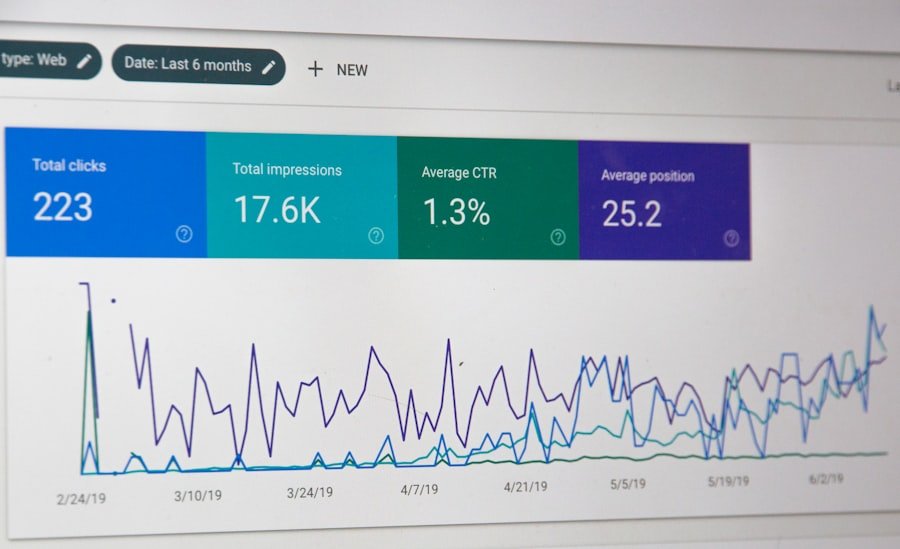
The beauty of AI in multi-touch attribution extends beyond marketing into the core of sales operations, allowing us to quantify the true impact of our various initiatives.
Quantifying the Value of Sales Training and Enablement
We’ve long known that sales training and enablement are crucial, but quantifying their direct impact on closed deals has always been a challenge.
Linking Training to Conversion Metrics
By tracking how different sales training modules impact the effectiveness of sales interactions (e.g., improved call to demo ratio, faster sales cycles, higher closing rates), and then integrating these metrics into our AI attribution model, we can directly link training investment to increased revenue. For example, if a specific product knowledge training module correlates with a significant increase in conversions for that product, we can clearly demonstrate the ROI of that training program.
Identifying Gaps and Opportunities in Enablement
AI can also pinpoint areas where sales enablement might be lacking. If our attribution model shows that leads nurtured through a specific stage of the sales cycle consistently drop out before conversion, and we correlate this with a lack of relevant sales collateral or training at that stage, we can identify a critical enablement gap and address it proactively. We’re moving from anecdotal evidence to data-driven operational improvements.
Evaluating CRM and Sales Technology ROI
Our CRM and sales tech stack are significant investments. AI attribution helps us validate their value.
Measuring Impact on Funnel Progression
By integrating data from our CRM and sales technology platforms into our AI attribution model, we can assess how different features or tools contribute to moving prospects through the sales funnel. Did that new sales automation tool accelerate follow-ups, which in turn increased meeting bookings? Did the new video conferencing platform lead to higher closing rates on virtual demos? AI helps us quantify these impacts, providing a clear ROI for our technology investments.
Justifying Future Tech Investments
With concrete data demonstrating the revenue-generating power of our existing sales tech, we can make compelling cases for future investments. We can show how integrating a new AI-powered lead scoring tool, for example, could further optimize our sales processes and directly translate into increased conversions. This elevates our sales ops team from a cost center to a strategic driver of technological innovation and revenue growth.
In exploring the intricacies of marketing effectiveness, a related article delves into the significance of visual storytelling in enhancing customer engagement. This piece highlights how integrating compelling visuals can complement strategies like the Multi-Touch Attribution Model, ultimately leading to a more comprehensive understanding of ROI. For those interested in the intersection of creativity and analytics, the insights provided in this article can be quite enlightening. To read more about this topic, visit this article.
The Future of Sales Operations with AI Attribution
| Touchpoint | Weight | Contribution |
|---|---|---|
| First Interaction | 0.4 | 0.25 |
| Second Interaction | 0.3 | 0.35 |
| Third Interaction | 0.2 | 0.15 |
| Fourth Interaction | 0.1 | 0.25 |
We believe the integration of AI-powered multi-touch attribution is not just a trend; it’s the foundational shift that will define the next era of sales operations.
Real-Time Optimization and Predictive Analytics
The future is about moving beyond historical analysis to real-time action and proactive strategic planning.
Continuous Learning and Adaptation
As AI models consume more data, they continuously learn and adapt. This means our attribution models are always evolving, improving their accuracy and offering increasingly precise insights. We’ll be able to identify emerging trends, adapt to market shifts, and fine-tune our strategies in real-time, staying ahead of the curve. This continuous learning feedback loop is a powerful competitive advantage.
Proactive Resource Allocation
Imagine a world where AI not only tells us where to allocate our budget but proactively suggests optimal resource allocation based on predicted market conditions and customer behavior. We’ll be able to shift resources to capitalize on emerging opportunities or mitigate potential risks before they fully materialize. This level of proactive resource management will revolutionize how we plan and execute our sales and marketing efforts.
Holistic Business Impact and Strategic Alignment
Ultimately, AI attribution allows us to tie every marketing and sales dollar directly to business outcomes, fostering unprecedented strategic alignment.
Bridging the Gap Between Marketing and Sales
Historically, marketing and sales have often operated in silos, with each team claiming credit for successes. AI-powered multi-touch attribution creates a shared language and a common ground for understanding success. Both teams can see how their combined efforts contribute to revenue, fostering greater collaboration, mutual respect, and a unified approach to customer acquisition and retention. We move from finger-pointing to strategic partnership.
Demonstrating Clear Business Value
For sales operations, this means we can clearly demonstrate the revenue-generating power of our strategic decisions, process improvements, and technological implementations. We move from being an overhead cost to a strategic partner that directly impacts the bottom line. This empowers us to drive innovation, secure further investments, and play a more central role in shaping the overall business strategy. We can unequivocally prove the ROI of every operational enhancement we implement.
In the realm of marketing analytics, understanding the effectiveness of various strategies is crucial for maximizing returns on investment. A related article that delves into the intricacies of measuring success is available at True Love Book Review, which explores how different approaches can influence consumer behavior and ultimately drive sales. By integrating insights from such resources, businesses can enhance their multi-touch attribution models and leverage AI to gain a clearer picture of their marketing and sales performance.
Our Journey Towards Data-Driven Excellence
Our journey with multi-touch attribution, especially its evolution with AI, has been transformative. We’ve moved from making educated guesses to making data-backed decisions that drive tangible results. We’re no longer just reporting on past performance; we’re actively shaping the future of our sales and marketing efforts. By embracing the power of AI to uncover the true ROI of every dollar, we are not only optimizing our current operations but also laying the groundwork for sustained, intelligent growth for our organizations. We’re building a future where every marketing touch and every sales interaction is precisely understood, strategically valued, and continuously optimized for maximum impact.
FAQs
What is the multi-touch attribution model?
The multi-touch attribution model is a method used in marketing and sales to analyze and assign credit to various touchpoints along the customer journey that lead to a conversion or sale. It takes into account all the interactions a customer has with a brand before making a purchase.
How does AI contribute to the multi-touch attribution model?
AI plays a crucial role in the multi-touch attribution model by analyzing large volumes of data from various sources to identify patterns and correlations between different touchpoints and conversions. This helps in accurately attributing credit to each touchpoint and uncovering the true ROI of marketing and sales efforts.
What are the benefits of using the multi-touch attribution model with AI?
Using the multi-touch attribution model with AI allows businesses to gain a deeper understanding of their customers’ journey, optimize marketing and sales strategies, allocate budgets more effectively, and ultimately improve the overall ROI of their marketing and sales efforts.
What are some common challenges associated with implementing the multi-touch attribution model with AI?
Some common challenges include the complexity of integrating data from various sources, ensuring data accuracy and quality, interpreting the results accurately, and overcoming organizational resistance to change.
How can businesses leverage the multi-touch attribution model with AI in their sales operations?
Businesses can leverage the multi-touch attribution model with AI by investing in advanced analytics tools, integrating data from different touchpoints and channels, training their teams on interpreting AI-generated insights, and continuously refining their strategies based on the findings.