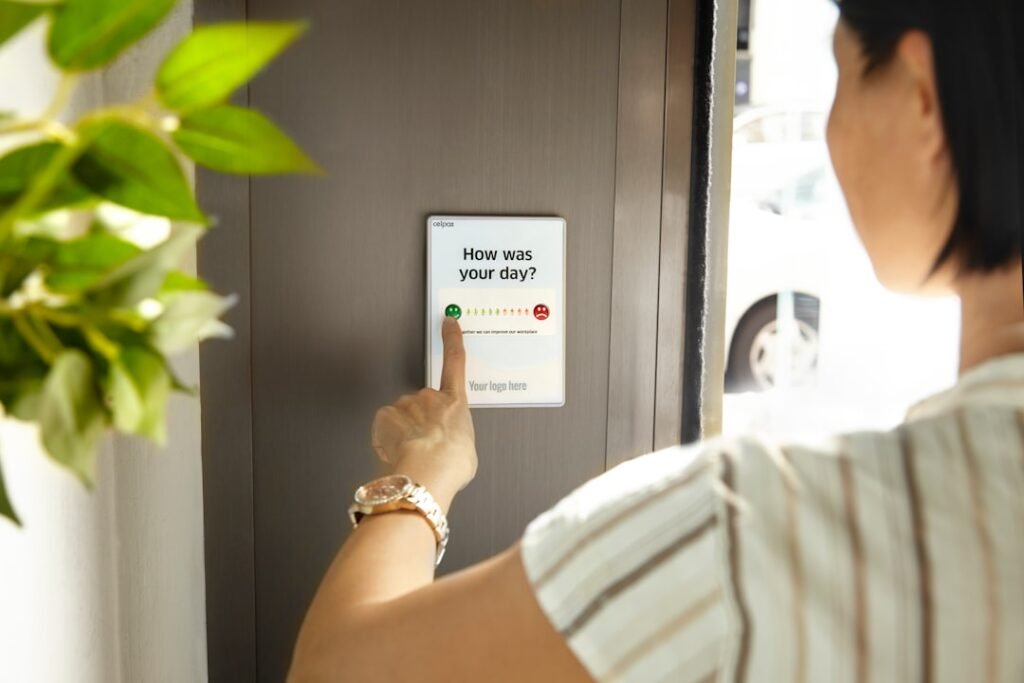
We will explore the multifaceted influence of feedback within customer support teams. As a pivotal element in service delivery, feedback acts as a compass, guiding our efforts towards optimal customer satisfaction and operational efficiency.
We recognize that feedback is not a monolithic entity; it arrives in various forms and from diverse sources, each offering a unique perspective on our performance. Our ability to effectively capture, categorize, and analyze this information is fundamental to our growth.
Types of Feedback We Encounter
We distinguish between several primary categories of feedback that we regularly receive:
Customer Feedback: The Direct Pulse from the Front Lines
This is arguably the most immediate and impactful form of feedback we receive. It originates directly from the individuals we serve, reflecting their experience with our support interactions.
Direct Feedback Mechanisms: Surveys and Post-Interaction Assessments
We often implement structured feedback mechanisms immediately following a support interaction. These can include post-call surveys, email questionnaires, or in-app feedback prompts. These tools are designed to elicit specific reactions to the service provided, focusing on aspects such as agent competence, resolution speed, politeness, and overall satisfaction. The data gathered here provides a quantitative snapshot of individual interactions.
Indirect Feedback Channels: Reviews, Social Media, and Online Forums
Beyond direct solicitations, we also monitor and process feedback that surfaces organically. Online reviews on platforms like Trustpilot or Google, comments on social media channels, and discussions in community forums offer a broader, often unvarnished, perspective. While less structured, this feedback can reveal systemic issues or emerging trends that might not be captured by targeted surveys.
Escalations and Complaints: The Red Flags and Opportunities for Deeper Insight
When a customer escalates an issue or lodges a formal complaint, this represents a significant feedback event. These situations often indicate a breakdown in the usual support process and necessitate a thorough investigation. While challenging, complaints are invaluable opportunities to identify critical flaws and implement preventative measures, acting like a faulty circuit breaker that alerts us to a dangerous overload.
Internal Feedback: The Mirror Reflecting Our Processes
Our internal feedback loop is just as crucial as external validation. It provides insights from within the organization, highlighting our strengths and areas for improvement from the perspective of those directly involved in delivering support.
Peer-to-Peer Feedback: Knowledge Sharing and Skill Development
We encourage an environment where team members can provide constructive criticism and share best practices with one another. This can occur during team meetings, through dedicated feedback sessions, or informally in daily collaborative efforts. Peer feedback is like a shared laboratory where we can test and refine our methodologies together.
Supervisor and Manager Feedback: Performance Evaluation and Guidance
Our supervisors and managers play a critical role in delivering feedback related to individual performance. This includes regular one-on-one meetings, performance reviews, and coaching sessions. This feedback is essential for identifying skill gaps, reinforcing positive behaviors, and setting clear expectations for professional development.
Cross-Departmental Feedback: Synergy and Systemic Optimization
We also actively seek and provide feedback to and from other departments that interact with customer support. This could include product teams, sales, or engineering. Understanding their perspectives on customer issues and how our support interacts with their workflows helps us to identify and address systemic inefficiencies across the organization, much like tuning different instruments in an orchestra to achieve harmony.
The Architecture of Feedback Collection
We employ a variety of methods to systematically gather and organize feedback to ensure that no valuable insight is lost.
Centralized Feedback Platforms: The Repository of Experience
We utilize dedicated platforms and CRM systems that are configured to capture and store feedback data. This centralization ensures that all feedback, regardless of its origin, is accessible and can be aggregated for comprehensive analysis. This acts as a knowledge bank, a testament to our collective learning.
Automated Feedback Triggers: Proactive Engagement
We set up automated triggers within our support systems to solicit feedback at specific touchpoints. This ensures a timely and consistent flow of information without requiring manual intervention for every interaction. This is like setting up automatic sprinklers to ensure our garden is always watered.
Qualitative Data Annotation: Adding Depth to Numbers
While quantitative data from surveys is important, we place significant emphasis on annotating qualitative feedback. This involves categorizing open-ended comments, identifying themes, and flagging recurring issues. This process transforms raw text into actionable intelligence, as we sift through the gold nuggets.
In the realm of customer support, the significance of feedback cannot be overstated, as it plays a crucial role in enhancing team performance and customer satisfaction. For further insights on this topic, you may find the article “The Importance of Feedback in Support Teams” particularly enlightening. Additionally, exploring related concepts can deepen your understanding; for instance, the article available at Shilotri’s Karuna offers valuable perspectives on improving communication and collaboration within support teams.
The Transformative Power of Analyzing Feedback
Collecting feedback is only the initial step. The true power lies in our ability to dissect, interpret, and derive actionable insights from the data we gather. This analytical phase is where growth truly begins.
Uncovering Trends and Patterns: The Detective Work
We approach feedback analysis with a detective’s mindset, looking for recurring themes and patterns that might not be immediately apparent. This detective work is crucial for understanding the underlying causes of customer sentiment.
Sentiment Analysis: Gauging the Emotional Climate
We employ sentiment analysis techniques to understand the emotional tone of customer feedback. This involves identifying whether feedback is generally positive, negative, or neutral, and to what degree. This helps us to gauge the overall emotional climate of our customer interactions.
Root Cause Analysis: Digging Beneath the Surface
When we identify negative feedback or recurring issues, we engage in root cause analysis. This rigorous process aims to uncover the fundamental reasons behind the problem, rather than just addressing the symptoms. It’s about finding the faulty wire in the electrical system, not just replacing the blown fuse repeatedly.
Identifying Knowledge Gaps: The Learning Curve
Analysis of recurring questions or areas of confusion in customer feedback helps us pinpoint knowledge gaps, both for our customers and potentially within our own team. This direct feedback acts as a roadmap to areas where we need to improve our documentation or training.
Data Visualization: Making Insights Accessible
We utilize various data visualization tools to present feedback insights in an easily understandable format. Graphs, charts, and dashboards allow us to quickly identify trends and outliers, making the complex digestible. This is like using a map to navigate unfamiliar territory; it highlights the key landmarks and routes.
Trend Spotting Dashboards: Real-Time Performance Monitoring
We maintain dashboards that provide real-time visibility into key feedback metrics. This allows us to monitor customer satisfaction levels, track common issues, and identify emerging problems as they arise, enabling a nimble response.
Thematic Analysis Reports: Deep Dives into Customer Concerns
Regular reports are generated that focus on the most prevalent themes and issues identified in the feedback. These reports provide a more in-depth understanding of customer concerns and are crucial for strategic decision-making.
Implementing Change: From Insight to Action

The most significant impact of feedback comes from translating analytical insights into tangible improvements. This requires a commitment to action and a structured approach to change management.
The Feedback-Driven Improvement Cycle: A Continuous Loop
We consider feedback integration as a continuous cycle, not a one-off event. Insights derived from feedback fuel improvements, which in turn generate new feedback, creating a perpetual loop of optimization. This is akin to an athlete consistently refining their technique based on performance analysis.
Prioritizing Actionable Insights: The Triage Process
We establish a clear process for prioritizing which feedback-driven improvements to implement. This often involves assessing the potential impact, the feasibility of implementation, and the urgency of the issue. This is our triage system, ensuring we address the most critical needs first.
Cross-Functional Collaboration for Solutions: Building Bridges
Addressing complex customer issues often requires collaboration across different departments. We actively engage product, engineering, and marketing teams, sharing feedback insights and working together to develop holistic solutions. This collaborative spirit builds bridges between silos.
Tracking and Measuring Impact: Verifying Progress
Once changes are implemented, we meticulously track and measure their impact. This involves monitoring relevant feedback metrics to confirm whether the implemented changes have indeed led to the desired improvements in customer satisfaction and operational efficiency. This verification step ensures our efforts are not in vain.
The Role of Feedback in Agent Development

Feedback is not only a tool for organizational improvement but also a critical component of individual agent growth and development. It provides the raw material for learning and skill enhancement.
Coaching and Mentoring: Nurturing Talent
We leverage feedback data to inform our coaching and mentoring programs for support agents. This allows us to provide targeted guidance and support, addressing specific areas where an agent may need development. This is like a gardener tending to individual plants, providing specific nutrients where needed.
Skill-Based Coaching: Addressing Specific Competencies
Feedback often highlights areas where agents can improve specific skills, such as de-escalation techniques, product knowledge, or communication clarity. We then tailor coaching sessions to address these specific competencies.
Performance Recognition and Reinforcement: Celebrating Success
Positive feedback is equally important. We use it to recognize and reinforce exemplary agent performance, celebrating successes and motivating the team. This positive reinforcement is a powerful stimulant for continued high performance.
Empowering Agents Through Feedback: Ownership and Autonomy
We believe in empowering our agents by sharing feedback with them transparently and involving them in the process of improvement. When agents understand how their performance impacts customer satisfaction and are given the opportunity to contribute to solutions, it fosters a sense of ownership and autonomy.
Individual Performance Debriefs: A Dialogue for Growth
Regular debriefs where agents can discuss their performance, review their feedback, and set personal development goals are integral to our process. This dialogue fosters a proactive approach to self-improvement.
Agent-Led Initiatives for Improvement: The Front-Line Innovators
We encourage agents to identify areas for improvement and to propose solutions. Their direct experience on the front lines often yields innovative and practical ideas. This empowers them as agents of change, not just conveyors of information.
In exploring the significance of feedback within support teams, it is essential to consider how effective communication can enhance customer satisfaction and team performance. A related article that delves into the dynamics of collaboration and feedback in educational technology is available at Humans of EdTech, which highlights the importance of fostering a culture of open dialogue among team members. This approach not only improves service delivery but also empowers support staff to grow and adapt in a rapidly changing environment.
Building a Feedback-Rich Culture: The Foundation for Excellence
| Metric | Description | Impact on Support Teams | Example Value |
|---|---|---|---|
| Customer Satisfaction Score (CSAT) | Measures customer satisfaction with support interactions | Helps identify areas for improvement and validate effective feedback implementation | 85% |
| First Response Time | Average time taken to respond to a customer query | Feedback can help reduce response times by highlighting bottlenecks | 2 hours |
| Resolution Time | Average time to resolve customer issues | Continuous feedback improves processes, reducing resolution time | 6 hours |
| Agent Performance Score | Internal rating based on quality and efficiency of support agents | Feedback helps agents improve skills and service quality | 92/100 |
| Customer Effort Score (CES) | Measures how easy it is for customers to get their issues resolved | Feedback identifies friction points to simplify support processes | 3.2 (on a scale of 1-7) |
| Feedback Implementation Rate | Percentage of actionable feedback successfully implemented | Indicates how well the team adapts and improves based on feedback | 75% |
| Repeat Contact Rate | Percentage of customers who contact support multiple times for the same issue | Lower rates indicate effective feedback and resolution strategies | 12% |
Ultimately, the power of feedback is amplified when it is embedded within the very fabric of our organizational culture. This creates an environment where feedback is not just tolerated but actively sought, valued, and acted upon.
Fostering a Culture of Openness and Trust: Psychological Safety
We strive to create a psychologically safe environment where team members feel comfortable giving and receiving feedback without fear of reprétaille. This openness is the bedrock of a strong feedback culture.
Leading by Example: Authenticity from the Top
Leadership plays a vital role in modeling feedback-rich behavior. When leaders actively seek feedback, are open to criticism, and demonstrate how they use it for improvement, it sets a powerful precedent for the entire team.
Regular Feedback Forums: Scheduled Opportunities for Exchange
We establish regular forums, such as team meetings and town halls, where feedback can be openly discussed and acted upon. These scheduled opportunities ensure that feedback remains a consistent part of our operational rhythm.
The ‘Feedback Loop’ as a Strategic Advantage: Staying Ahead of the Curve
For us, a robust feedback system is not just an operational necessity; it is a strategic advantage. It allows us to remain agile, responsive, and continuously improve our service delivery, ultimately leading to greater customer loyalty and a stronger market position. This proactive engagement with feedback is our way of staying ahead of the curve, anticipating challenges and opportunities before they fully materialize.
By diligently collecting, analyzing, and acting upon feedback, we transform it from mere comments into a potent engine for continuous improvement, customer satisfaction, and team development. It is the compass that guides our journey towards excellence in customer support.
FAQs
What is the role of feedback in customer support teams?
Feedback in customer support teams helps identify areas for improvement, enhances communication skills, and ensures that customer issues are resolved effectively. It promotes continuous learning and helps maintain high service quality.
Why is feedback important for support team performance?
Feedback provides insights into how well support agents are meeting customer needs, highlights strengths and weaknesses, and guides training and development efforts. This leads to improved customer satisfaction and more efficient problem resolution.
How can feedback improve customer satisfaction?
By using feedback to address common issues and improve response quality, support teams can provide faster, more accurate, and empathetic assistance, which directly increases customer satisfaction and loyalty.
What types of feedback are useful for support teams?
Useful feedback includes customer surveys, peer reviews, supervisor evaluations, and direct customer comments. Both positive and constructive feedback are valuable for balanced team development.
How often should support teams receive feedback?
Regular feedback is most effective, ideally after each customer interaction or on a weekly or monthly basis. Frequent feedback helps teams quickly adapt and improve their service.
Can feedback help reduce support team turnover?
Yes, constructive feedback fosters a supportive work environment, helps employees feel valued, and provides clear growth paths, which can reduce burnout and turnover rates.
What are best practices for giving feedback in support teams?
Best practices include being specific, focusing on behaviors rather than personalities, balancing positive and negative points, and providing actionable suggestions to help agents improve.
How does feedback contribute to team collaboration?
Feedback encourages open communication, builds trust among team members, and promotes sharing of best practices, which enhances overall team collaboration and effectiveness.
Is customer feedback the only source of feedback for support teams?
No, while customer feedback is crucial, internal feedback from supervisors and peers also plays a significant role in developing skills and improving team dynamics.
What tools can support teams use to collect and manage feedback?
Support teams can use customer relationship management (CRM) software, survey tools, performance management systems, and communication platforms to gather, analyze, and act on feedback efficiently.