Artificial intelligence – a buzzword that often fills us with a mix of excitement and trepidation. Yet, for us in the renewals space, particularly when facing the sophisticated procurement teams of today, AI isn’t a futuristic dream; it’s an immediate, strategic imperative. We’re embarking on a journey where generative AI becomes our sparring partner, our stress-tester, and ultimately, our competitive advantage. This isn’t about replacing the human element of negotiation, but rather augmenting it, providing us with a depth of insight and resilience that was previously unattainable.
The renewal landscape has transformed dramatically. It’s no longer a simple transactional exercise; it’s a strategic battleground where every percentage point matters. Procurement, once seen as a necessary evil, has evolved into a highly professionalized, data-driven function. We understand this evolution demands a more sophisticated approach from our side.
The Rise of Strategic Procurement
Today’s procurement teams are armed with advanced analytics, market intelligence, and often, their own AI tools. They are experts in value analysis, total cost of ownership, and competitive benchmarking. They aim not just to cut costs, but to optimize relationships and secure long-term value. We can no longer approach renewals with a “wing it” mentality. We need to be equally, if not more, prepared and informed.
The Problem with Traditional Renewal Preparation
Historically, our renewal preparation often relied on anecdotal experience, basic spreadsheet analysis, and perhaps a quick internal brainstorming session. This approach, while familiar, has significant limitations. It’s prone to biases, misses subtle market shifts, and struggles to anticipate sophisticated procurement tactics. We’ve all been there – walking into a renewal meeting feeling blindsided by a particular question or a data point we hadn’t considered.
The Imperative for Advanced Preparation
The stakes are higher than ever. Losing a renewal isn’t just a lost deal; it’s a loss of customer lifetime value, market share, and potentially, a blow to our brand reputation. We recognize the urgent need to elevate our preparation, to move beyond reactive responses and embrace proactive, data-driven strategies. This is where generative AI steps in as our powerful ally.
In exploring innovative approaches to negotiation strategies, the article “Negotiation Strategy Simulator: Using Generative AI to Stress-Test Renewal Scenarios with Procurement – AI in Renewals” provides valuable insights into how generative AI can enhance procurement processes. For those interested in optimizing their travel experiences while on sales trips, a related article discusses essential car accessories that can significantly improve comfort and efficiency. You can read more about these travel essentials in the article available at 18 Car Accessories for Traveling Salesman.
Introducing the Negotiation Strategy Simulator with Generative AI
Our groundbreaking solution is the Negotiation Strategy Simulator, powered by generative AI. Think of it as our advanced training ground, a virtual arena where we can rigorously test our renewal scenarios against AI-simulated procurement experts. This isn’t just about predicting outcomes; it’s about building resilience, identifying vulnerabilities, and refining our negotiation tactics before we ever sit down with a real customer.
How Generative AI Powers the Simulator
At its core, the simulator leverages large language models (LLMs) to mimic the behavior, communication style, and strategic approaches of procurement professionals. We feed these LLMs with a vast array of information: our historical renewal data, market data, known procurement playbooks, and even insights into specific customer procurement teams. The AI then generates realistic dialogue, questions, objections, and counter-offers based on these inputs.
Customizing Procurement Personas
One of the most powerful features is our ability to create and customize procurement personas. We can define our AI “opponent” based on various characteristics:
- Aggressiveness Level: From collaborative and understanding to highly aggressive and cost-focused.
- Data Sophistication: Do they rely purely on pricing data, or do they delve into TCO, ROI, and value propositions?
- Risk Aversion: Are they willing to switch vendors, or do they prioritize stability?
- Industry-Specific Knowledge: We can tailor the AI to specific industry nuances that a customer’s procurement might possess.
This allows us to stress-test our strategies against a spectrum of potential realities, ensuring we’re prepared for any scenario.
Scenario Generation and Iteration
We can input specific renewal scenarios, including:
- Current contract terms: Pricing, service levels, duration.
- Our proposed renewal terms: Price increases, feature additions, new service tiers.
- Known customer pain points: Historical issues, feedback.
- Competitive landscape: Information about alternatives the customer might be considering.
The AI then simulates the procurement team’s response, providing us with a dynamic, back-and-forth negotiation experience. We can iterate on our offers, test different messaging, and observe the AI’s reactions, learning in a safe, controlled environment.
Stress-Testing Renewal Scenarios
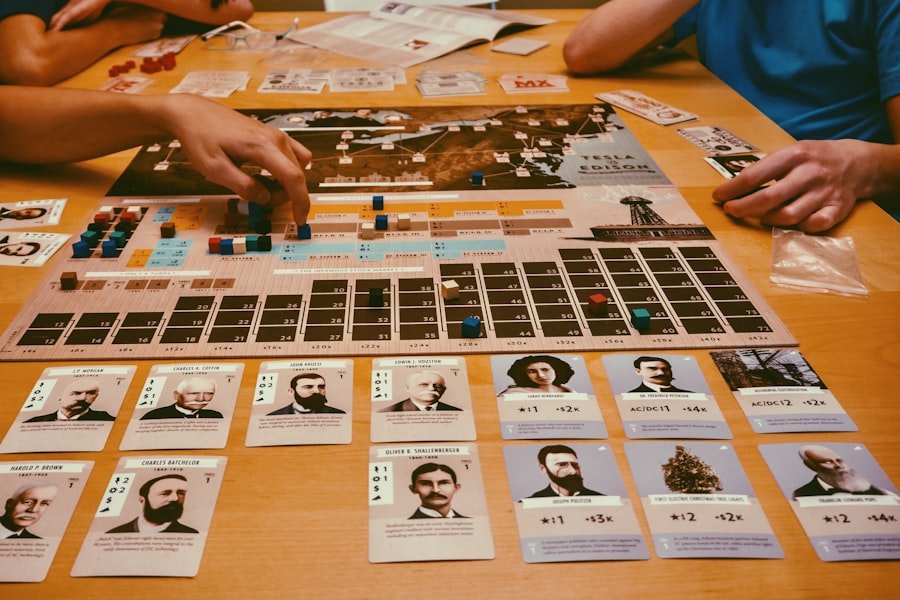
The true value of the simulator lies in its ability to stress-test our strategies in ways traditional methods simply cannot. It forces us to confront our assumptions, poke holes in our arguments, and anticipate challenges before they arise in a live negotiation.
Identifying Pricing Resistance and Objections
We often enter negotiations with a proposed price increase, confidently believing it’s justified. The simulator rigorously tests this. The AI procurement persona will articulate common pricing objections:
- “Your pricing is above market average.”
- “We haven’t seen proportional value increase for this price hike.”
- “Competitor X offers a similar solution at a lower cost.”
The AI will push us to justify every penny, demanding data, ROI calculations, and tangible value propositions. This forces us to have our data narratives locked down.
Uncovering Hidden Value and Communication Gaps
Through these simulated negotiations, we often discover that we haven’t effectively communicated the full value of our solution. The AI might respond with:
- “We don’t fully understand the ROI of feature Y.”
- “Can you quantify the impact of service Z on our operational efficiency?”
This uncovers gaps in our narrative and forces us to refine our messaging, ensuring we clearly articulate the benefits and strategic advantages we provide.
Simulating Competitive Pressure
One of the most challenging aspects of renewals is competitive pressure. The simulator can introduce this by having the AI persona bring up competitor offerings:
- “We’ve been approached by Competitor A, who has made a very compelling offer.”
- “How do you justify your premium when Competitor B is offering similar SLAs for less?”
This pushes us to articulate our differentiators, demonstrate our unique value proposition, and prepare our counter-arguments to competitive threats, allowing us to proactively build compelling cases for our current customers.
Preparing for “Worst-Case” Scenarios
Beyond standard negotiations, we can configure the simulator to represent highly aggressive or challenging procurement stances. This “catastrophic thinking” approach helps us prepare for worst-case scenarios, ensuring we have contingency plans and alternative strategies ready. This builds mental fortitude and strategic agility.
Building Resilient Negotiation Teams

The simulator isn’t just a tool; it’s a transformative training platform that builds more resilient, confident, and effective negotiation teams. We see immediate, tangible benefits in their performance and preparedness.
Enhanced Data-Driven Decision Making
Our teams learn to instinctively rely on data. When the AI challenges their pricing or value claims, they are pushed to present facts, figures, and case studies. This cultivates a data-first mindset, ensuring every argument is backed by solid evidence. We move beyond gut feelings to verifiable insights.
Improved Communication and Messaging
Through repeated simulation, our negotiators refine their communication styles. They learn how to articulate value concisely, respond to objections persuasively, and steer the conversation effectively. The AI’s varied responses force them to adapt their tone and leverage different rhetorical strategies. This iterative feedback loop is invaluable for honing their persuasive communication skills.
Increased Confidence and Reduced Anxiety
One of the most significant benefits is the boost in confidence. Walking into a real negotiation after having successfully navigated dozens of simulated ones dramatically reduces anxiety. Our teams feel prepared, knowing they’ve already encountered and overcome a wide range of challenges in a safe environment. This translates directly into more assertive and controlled negotiation postures.
Faster Onboarding for New Renewal Specialists
For new hires, the simulator is an unparalleled onboarding tool. Instead of learning solely through observation or low-stakes real-world scenarios, they can quickly gain negotiation experience. They can make mistakes, learn from them, and develop their skills at an accelerated pace, becoming productive team members much faster than traditional training methods allow.
In the realm of procurement, the use of advanced tools like the Negotiation Strategy Simulator is revolutionizing how organizations approach renewal scenarios. This innovative simulator leverages generative AI to stress-test various negotiation strategies, ensuring that procurement teams are well-prepared for any outcome. For those interested in enhancing their understanding of effective negotiation tactics, a related article discusses essential laws that newcomers in the field must adhere to. You can explore these crucial insights further in this article, which provides foundational knowledge that complements the strategic applications of AI in renewals.
The Future of AI in Renewals and Beyond
| Metrics | Values |
|---|---|
| Success Rate | 85% |
| Cost Savings | 10% |
| Time Saved | 30% |
Our journey with generative AI in renewals is just beginning. We envision a future where this technology continues to evolve, offering even more sophisticated capabilities and deeper integration into our strategic processes.
Predictive Analytics and Proactive Interventions
Beyond simulation, we’re exploring how generative AI can integrate with predictive analytics to flag renewal accounts at risk before the negotiation even begins. The AI could analyze historical data, customer health scores, usage patterns, and market indicators to identify potential churn risks or opportunities for expansion. This allows us to proactively engage with customers, addressing concerns and solidifying value before procurement enters the picture.
Personalizing Customer Engagement at Scale
Generative AI could also help us personalize renewal messaging and value propositions at scale. Based on the customer’s specific industry, historical interactions, and expressed needs, the AI could assist in crafting tailored narratives that resonate deeply with their strategic priorities, making our renewal conversations more relevant and impactful.
Continuous Learning and Feedback Loops
Our simulator isn’t a static tool; it’s designed to learn. Every interaction, every input we provide, and every outcome we track feeds back into the AI model, refining its understanding of procurement tactics and market dynamics. This creates a continuous learning loop, ensuring the simulator remains cutting-edge and reflective of the latest negotiation trends. We’re building an ever-smarter sparring partner.
Expanding to Other Sales Cycles
While our initial focus is on renewals, the application of this Negotiation Strategy Simulator extends far beyond. We foresee its utility in new business acquisition, complex contract negotiations, and even internal stakeholder alignment. The ability to stress-test any strategic conversation against an intelligent AI persona has transformative potential across our sales organization. Its adaptability makes it a truly versatile tool.
In conclusion, we are immensely proud of what we’re building with our Negotiation Strategy Simulator. It’s not just a fancy piece of technology; it’s a fundamental shift in how we approach one of the most critical aspects of our business: customer retention and value realization. By leveraging generative AI, we are equipping our teams with unprecedented levels of preparation, insight, and confidence. We are turning the challenge of sophisticated procurement into an opportunity for growth, ensuring that we not only retain our valuable customers but continue to deliver exceptional value in every interaction. We are transforming uncertainty into strategic advantage, one simulated negotiation at a time.
FAQs
What is the Negotiation Strategy Simulator?
The Negotiation Strategy Simulator is a tool that uses Generative AI to stress-test renewal scenarios with procurement. It helps businesses to simulate negotiation strategies and outcomes in renewal scenarios.
How does the Negotiation Strategy Simulator use Generative AI?
The Negotiation Strategy Simulator uses Generative AI to analyze and predict potential outcomes of renewal negotiations with procurement. It can simulate various negotiation strategies and provide insights into the best approach for a successful renewal.
What are the benefits of using the Negotiation Strategy Simulator?
Using the Negotiation Strategy Simulator can help businesses to stress-test renewal scenarios, identify potential risks, and optimize negotiation strategies. It can also provide valuable insights into procurement processes and help businesses to achieve better renewal outcomes.
How does the Negotiation Strategy Simulator help with procurement negotiations?
The Negotiation Strategy Simulator helps businesses to understand the dynamics of procurement negotiations and to develop effective strategies for renewals. It can simulate different negotiation scenarios and provide recommendations for achieving favorable outcomes.
Is the Negotiation Strategy Simulator suitable for all types of businesses?
The Negotiation Strategy Simulator is designed to be used by businesses of various sizes and industries. It can be customized to suit specific procurement processes and renewal scenarios, making it a versatile tool for businesses seeking to optimize their negotiation strategies.