
Ever feel like you’re trying to catch two greased pigs at once? That’s often what it’s like balancing super tight quality control with the need to get things done, fast. It’s a common headache in every industry, from making software to baking bread. Everyone wants top-notch stuff, but they also want it yesterday. So, how do you make sure your quality doesn’t slip when you’re hitting the gas pedal? Let’s break it down.
It’s easy to see these two as enemies. If you focus solely on speed, corners get cut. Mistakes happen. The end product might be delivered quickly, but it’s probably not what anyone truly wanted. On the flip side, if you get bogged down in endless checks and re-checks, you’ll miss deadlines, and your competitors will lap you. The trick isn’t to pick one over the other, but to find a way for them to work together.
The Allure of Speed
Think about the market today. Things move incredibly fast. Customers expect quick turnarounds, and if you can’t deliver, someone else will.
- Competitive Edge: Being first to market, or delivering faster than rivals, can be a huge advantage.
- Customer Satisfaction: People like getting things quickly. It’s just how we’re wired now.
- Innovation Cycle: Faster execution means you can test new ideas, get feedback, and iterate more rapidly.
The Imperative of Quality
But speed without quality is like a house built on sand. It might look good for a moment, but it won’t last.
- Brand Reputation: Shoddy work damages your name, and a bad reputation is hard to shake.
- Customer Loyalty: People stick with brands they trust to deliver consistent quality.
- Cost of Failure: Fixing mistakes later is almost always more expensive than doing it right the first time. Recalls, reworks, and customer churn are massive drains.
Balancing strict quality control with the need for high-speed execution is a challenge many organizations face, particularly in fast-paced industries. A related article that delves into effective strategies for achieving this balance can be found at this link. The article discusses various methodologies and tools that can help streamline processes while ensuring that quality standards are met, providing valuable insights for businesses looking to enhance their operational efficiency without compromising on quality.
Building Quality In, Not Bolting It On
One of the biggest mistakes businesses make is treating quality control as something you do at the very end. Like an afterthought, or a last-minute check before shipping. This is a recipe for slowdowns and headaches. Imagine building a car and only checking if the engine works after it’s fully assembled. If it doesn’t, you’ve got a huge problem.
Early Detection is Key
The earlier you catch an issue, the cheaper and faster it is to fix. This isn’t rocket science, but it’s often overlooked.
- Design for Quality: Think about quality right from the design phase. Can you simplify processes to reduce potential failure points? Can you use materials that are inherently more reliable?
- Proactive Planning: Spend time upfront thinking about what “good” looks like. Define clear standards and expectations before anyone even starts working.
- Regular Checkpoints: Instead of one big quality check at the end, break the process into smaller steps with quality checks built into each stage. This way, any deviation is caught quickly.
Empowering the Frontline
Who knows the work best? The people doing it. They should be your first line of defense against quality issues.
- Training and Clear Standards: Make sure everyone knows exactly what’s expected. Don’t just tell them; show them. Provide clear, simple guidelines.
- Ownership and Accountability: When people feel responsible for the quality of their work, they’re more likely to take pride in it. Don’t just assign tasks; assign ownership of quality for those tasks.
- Tools for Self-Correction: Give your team the power and the tools to fix things on the spot, rather than having to wait for a supervisor or a separate quality assurance team.
Smart Processes, Not More Processes

Sometimes, when quality problems pop up, the first reaction is to add more steps, more approvals, more paperwork. While good intentions, this often just slows things down without actually improving quality. The goal should be smarter, more effective processes, not just more of them.
Streamlining Workflows
Look at your current process. Are there bottlenecks? Are there redundant steps?
- Value Stream Mapping: Visually map out your entire process from start to finish. Identify where value is added and where time is wasted.
- Eliminate Redundancy: Are two different people checking the exact same thing? Can a step be automated? Get rid of anything that doesn’t clearly add value or prevent a known problem.
- Parallel Processing (Where Possible): Can some steps happen at the same time instead of sequentially? This needs careful planning to avoid creating new quality issues, but it can significantly speed things up.
Leveraging Technology
Technology isn’t just about making things faster; it can make them more consistent and reliable.
- Automation of Repetitive Tasks: Computers don’t get tired or make human errors on repetitive, rules-based tasks. Automate testing, data entry, or assembly line steps where consistency is paramount.
- Real-time Monitoring and Feedback: Use sensors, software, or dashboards to get immediate information about quality metrics. If something starts to drift out of spec, you know right away.
- Data-Driven Decisions: Collect data on where errors occur, what causes them, and how long they take to fix. This data helps you pinpoint root causes and implement targeted solutions, rather than guessing.
The Power of Continuous Improvement
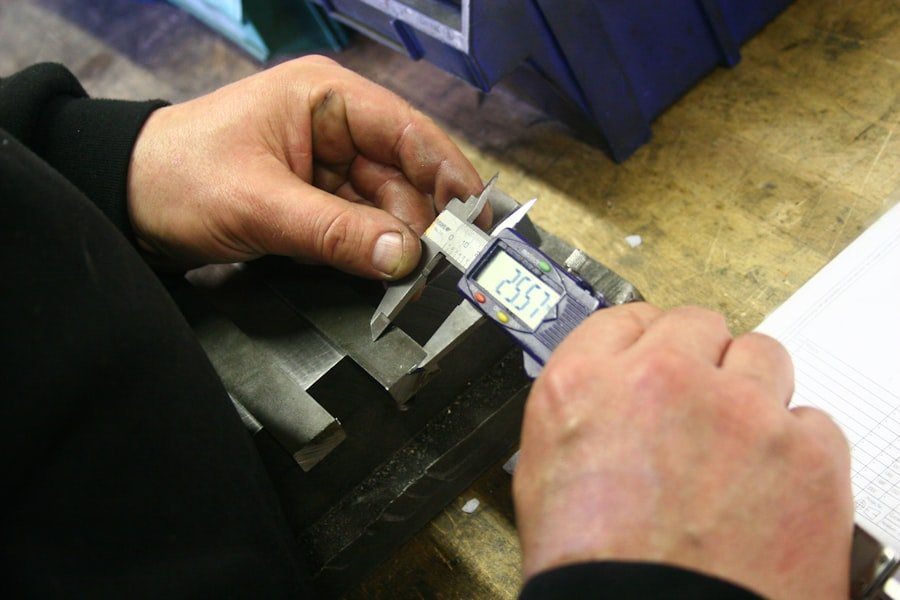
The world doesn’t stand still, and neither should your approach to quality and speed. What works today might not work tomorrow. A culture of continuous improvement means constantly looking for ways to do things better, faster, and with higher quality.
Regular Retrospectives and Feedback Loops
After projects or at regular intervals, take time to look back.
- “What Went Well, What Didn’t”: A simple, honest conversation about successes and failures. What contributed to good quality? What led to delays or errors?
- Actionable Insights: Don’t just identify problems; identify concrete steps to fix them. Who is responsible? What’s the deadline?
- Closed-Loop Feedback: Make sure the lessons learned actually lead to changes in your process. It’s not enough to talk about it; you need to act on it.
Experimentation and Learning
Encourage a mindset where trying new things is okay, even if they don’t always work out perfectly.
- Pilot Programs: Before rolling out a big change, test it on a smaller scale. See how it impacts both quality and speed.
- A/B Testing: For certain processes, you can try two different approaches and see which one yields better results.
- Sharing Best Practices: When one team finds a great way to improve quality or speed, share that knowledge across the organization. Don’t let good ideas stay hidden.
In today’s fast-paced environment, organizations often struggle to balance maintaining strict quality control with the need for high-speed execution. This challenge is particularly evident in sectors like education technology, where rapid advancements demand quick adaptation without compromising standards. A related article discusses the trends of the year, focusing on micro-learning and online teaching, which highlights innovative approaches that can help achieve this balance effectively. For more insights, you can read the full article on micro-learning and online teaching.
Cultivating a Culture of Excellence
| Factors | Strict Quality Control | High-Speed Execution |
|---|---|---|
| Importance | Ensures product/service meets standards | Allows for quick delivery |
| Challenges | Time-consuming processes | Risk of overlooking quality issues |
| Solutions | Automate quality checks | Implement efficient workflows |
| Impact | Enhanced customer satisfaction | Competitive advantage |
Ultimately, balancing quality and speed isn’t just about processes or tools; it’s about people and the environment you create for them. A culture where quality is valued and speed is understood means everyone is pulling in the same direction.
Leadership by Example
Your team looks to you. If leaders constantly push for speed at the expense of quality, that’s what they’ll get. If leaders talk about quality but then ignore defects to hit a deadline, the message is clear.
- Model the Behavior: Show that you care about both. Celebrate quality achievements. Acknowledge the effort it takes to maintain standards while moving fast.
- Communicate the “Why”: Explain why quality matters, not just that it does. Connect it to customer satisfaction, brand reputation, and long-term success. Explain why speed is important too, in the context of market demands and innovation.
- Support Your Team: Provide the resources, training, and psychological safety for your team to do their best work. When they face a tough choice between quality and speed, they should feel supported in making the right call for the business, not just the fastest one.
Psychological Safety
People need to feel safe to speak up if they see a potential quality issue or if they’re worried about cutting corners to meet a deadline.
- No Blame Culture (for honest mistakes): Focus on fixing the problem and learning from it, rather than assigning blame. This encourages transparency.
- Open Communication Channels: Make it easy for people to raise concerns without fear of reprisal.
- Reward Quality, Not Just Speed: While speed is important, make sure quality achievements are also recognized and celebrated.
The dance between strict quality control and high-speed execution isn’t easy. It’s a continuous balancing act, a push and pull that requires constant attention. But by building quality into your processes from the start, using smart tools, fostering a culture of continuous improvement, and leading with integrity, you can absolutely have both. It’s not about choosing one over the other; it’s about making them partners in your journey to success.
FAQs
What is the importance of maintaining strict quality control?
Maintaining strict quality control is important because it ensures that products or services meet the required standards and specifications, leading to customer satisfaction, loyalty, and trust in the brand.
How does high-speed execution impact quality control?
High-speed execution can sometimes compromise quality control as there may be a focus on meeting deadlines and targets rather than ensuring that products or services meet the required quality standards.
What are some strategies for balancing strict quality control with high-speed execution?
Some strategies for balancing strict quality control with high-speed execution include implementing efficient processes, utilizing technology for automation, training employees on quality standards, and continuously monitoring and improving processes.
What are the potential risks of sacrificing quality control for speed?
The potential risks of sacrificing quality control for speed include customer dissatisfaction, increased product returns or service complaints, damage to brand reputation, and potential legal or regulatory issues.
How can companies ensure both strict quality control and high-speed execution are maintained simultaneously?
Companies can ensure both strict quality control and high-speed execution are maintained simultaneously by integrating quality control measures into every stage of the production or service delivery process, empowering employees to make quality-focused decisions, and fostering a culture of continuous improvement.