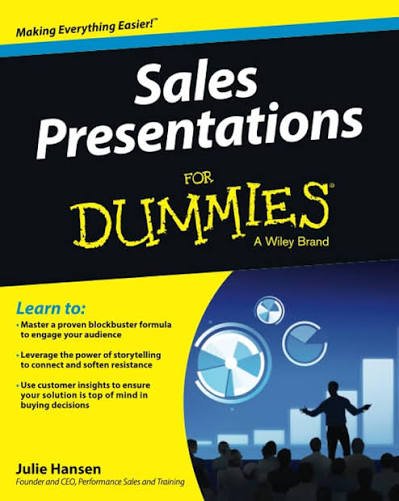
Julie M. Hansen’s Sales Presentations For Dummies provides a pragmatic and comprehensive guide for enhancing sales presentations. It posits that effective presentations are not about dazzling theatrics but rather about strategic communication, understanding buyer psychology, and delivering measurable value. The book meticulously breaks down the presentation process, from initial planning to post-presentation follow-up, offering actionable frameworks to improve conversion rates and build lasting client relationships.
In addition to the insightful strategies presented in “Sales Presentations For Dummies” by Julie M. Hansen, readers may find it beneficial to explore the related article on the “StrengthsFinder 2.0” book review. This article delves into identifying and leveraging personal strengths, which can significantly enhance one’s sales presentations and overall effectiveness in communication. For more information, you can read the article here: StrengthsFinder 2.0 Book Review.
Key Insights
- Customer-Centric Storytelling Drives Engagement and CX: Hansen emphasizes shifting from product-centric pitches to customer-centric narratives. By focusing on the buyer’s pain points, aspirations, and how your solution uniquely addresses them, presentations become highly relatable and persuasive. This directly impacts CX by making prospects feel understood and valued from the very first interaction, leading to higher engagement and a stronger foundation for retention. When customers see themselves in your story, their trust in your brand escalates, paving the way for smoother onboarding and long-term loyalty.
- Structured Preparation Optimizes Operational Efficiency and Revenue Growth: The book advocates for a rigorous, systematic approach to presentation development, including audience analysis, objective setting, and message crafting. This structured preparation minimizes wasted effort on irrelevant content, streamlines the sales cycle, and ensures every presentation is purpose-driven. For operators, this means standardized processes for sales teams, reducing training overhead, and improving the consistency of message delivery, which directly correlates with predictable revenue growth and higher close rates.
- Visual Communication and Delivery Mastery Enhance Perceived Value: Hansen dedicates significant attention to slide design principles and effective delivery techniques. She argues that clear, concise visuals and confident, engaging delivery amplify the message, making it more memorable and credible. From a CX perspective, a polished and professional presentation reinforces the perceived value of your offering and your organization’s professionalism, laying the groundwork for premium pricing and customer satisfaction even before the sale is closed. Poorly designed slides or hesitant delivery can inadvertently signal a lack of attention to detail or confidence in your solution, undermining trust.
- Post-Presentation Strategy Reinforces Customer Retention and Future Opportunities: The book extends beyond the presentation itself, stressing the importance of effective follow-up and objection handling. A well-executed post-presentation strategy, tailored to the specific interaction, ensures that the momentum gained is not lost. This is crucial for customer retention as it demonstrates continued commitment and responsiveness. For revenue growth, it helps solidify commitments, identify additional opportunities, and shorten sales cycles by proactively addressing concerns and reinforcing the value proposition.
Practical Application

- Implement a “Buyer Persona Presentation Outline”: Immediately mandate that all sales teams develop and utilize a standardized presentation outline that maps each slide/point directly to a specific buyer persona’s pain points, desired outcomes, and potential objections. This shifts focus from feature dumping to value articulation, dramatically improving relevance and engagement in initial sales calls. This forces a customer-first mindset from the outset.
- Conduct “Presentation Efficacy Audits”: Establish a weekly or bi-weekly peer review session where sales leaders or senior sales reps provide constructive feedback on live or recorded presentations. Focus specifically on clarity of message, adherence to customer-centric storytelling, and effective handling of Q&A. This iterative feedback loop will rapidly improve individual and team presentation skills, leading to higher conversion rates and a more consistent CX during the sales process.
Final Verdict

Who must read this: Sales leaders, individual sales contributors, customer success managers who need to present solutions or upsells, and anyone involved in communicating value propositions to external stakeholders. It’s particularly useful for those struggling with inconsistent sales outcomes or looking to refine their presentation strategy from first principles.
Who can skip it: Highly experienced sales professionals who consistently exceed quotas with their existing presentation methodology, or those whose roles do not involve direct client presentations.
Bottom-line rating: 9/10 – A highly practical, no-nonsense guide that delivers on its promise to demystify and optimize sales presentations.
In the realm of effective communication and persuasion, Julie M. Hansen’s “Sales Presentations For Dummies” offers invaluable insights for anyone looking to enhance their presentation skills. For those interested in exploring the dynamics of influence further, a related article on the power of ideas can be found in the book review of “The Tipping Point,” which delves into how small actions can lead to significant changes. You can read more about it here. This connection highlights the importance of understanding audience engagement, a key theme in both works.
Mastering the Art of Persuasion: Beyond the Bullet Points
| Metrics | Data |
|---|---|
| Book Title | Sales Presentations For Dummies |
| Author | Julie M. Hansen |
| Genre | Business, Sales |
| Pages | 384 |
| Publication Date | October 6, 2015 |
| ISBN-10 | 1119145672 |
| ISBN-13 | 978-1119145676 |
In the dynamic world of business, a sales presentation is far more than a mere recitation of features and benefits; it’s a critical moment of connection, persuasion, and value demonstration. Julie M. Hansen’s Sales Presentations For Dummies doesn’t just offer tips; it provides a comprehensive strategic framework. It fundamentally reframes the presentation as a dialogue, an opportunity to truly understand and address client needs, rather than a monologue to be endured. This philosophy underpins every chapter, guiding the reader toward a more impactful, results-driven approach. The book’s “Dummies” branding, often associated with simplification, belies the depth and sophistication of its advice, presenting complex sales psychology and communication strategies in an accessible, actionable format.
The Strategic Imperative of Presentations
A sales presentation, at its core, is a strategic communication event. It’s the culmination of research, planning, and understanding your audience. Hansen meticulously dissects this strategic imperative, emphasizing that every element of a presentation, from its opening hook to its closing call to action, must serve a specific, predefined objective. This isn’t about rote memorization but about adaptive intelligence – the ability to pivot, respond, and guide the conversation toward a mutual understanding of value.
Defining Your Objective Beyond “Close the Deal”
Hansen challenges the simplistic notion that the sole objective of every presentation is to “close the deal.” Instead, she encourages defining more nuanced objectives, such as “secure the next meeting,” “gain budget approval,” or “introduce a new stakeholder.” This granular approach allows for more realistic and achievable outcomes, turning a potentially overwhelming goal into a series of manageable steps.
Audience Analysis: The Cornerstone of Relevance
One of the book’s most impactful sections focuses on the critical importance of rigorous audience analysis. Before a single slide is designed or a word is scripted, understanding who you’re presenting to is paramount. This goes beyond job titles to delve into their pain points, aspirations, organizational priorities, and even their preferred communication style. This deep dive ensures that the presentation is not just heard, but felt and acted upon.
In her insightful book “Sales Presentations For Dummies,” Julie M. Hansen provides valuable strategies for crafting compelling presentations that engage audiences and drive sales. For those looking to enhance their presentation skills further, a related article can be found at this link, which offers tips on mastering the art of effective communication in various business contexts. By combining the techniques from Hansen’s book with the advice in the article, readers can significantly improve their ability to persuade and connect with potential clients.
Crafting Your Narrative: The Power of Story
Humans are hardwired for stories, and Hansen masterfully leverages this insight to transform mundane sales pitches into compelling narratives. She advocates for moving away from data dumps and feature lists towards a structured story that resonates with the audience’s emotional and logical centers. This narrative approach is a powerful tool for customer experience, as it allows prospects to envision themselves using your product or service and experiencing its benefits firsthand.
The Hero’s Journey (and Your Customer as the Hero)
Hansen subtly integrates elements of the “Hero’s Journey” framework into her advice, positioning the customer not as a passive recipient of information, but as the protagonist facing a challenge. Your product or service then becomes the guide or the tool that empowers them to overcome their obstacles and achieve their desired transformation. This perspective shift is profound, making the presentation less about what you sell and more about what they can achieve.
Problem-Solution-Benefit Framework
A core component of Hansen’s narrative strategy is the classic Problem-Solution-Benefit framework. She emphasizes:
- Clearly articulating the problem: Not just a problem, but their problem, demonstrated with empathy and evidence.
- Presenting your solution: How your offering directly addresses that specific problem.
- Highlighting the benefits: Focusing on the tangible outcomes and positive impacts for the customer, rather than just features. This is where you connect your solution to their desired future state.
The Role of Emotional Connection
Beyond logic, Hansen highlights the crucial role of emotional connection. People buy on emotion and justify with logic. A compelling story evokes empathy, builds trust, and creates a deeper connection than any spreadsheet ever could. She provides practical tips on how to weave anecdotes, testimonials, and relatable scenarios into your narrative to tap into this emotional core. This emotional resonance is critical for fostering long-term customer relationships, as it lays the groundwork for loyalty and advocacy.
Designing for Impact: Visuals That Speak Volumes
In an age of dwindling attention spans, the visual aspect of a presentation is more critical than ever. Hansen devotes significant attention to designing slides that complement, rather than detract from, your message. Her guidance is pragmatic and focused on impact, ensuring that visuals enhance understanding and retention, contributing directly to a positive customer experience during the presentation.
Simplicity, Clarity, and Consistency
The overarching themes in Hansen’s advice for slide design are simplicity, clarity, and consistency. She vehemently argues against cluttered slides, excessive text, and jarring transitions. Each slide should have one main idea, supported by clean, professional graphics and minimal bullet points.
Less is More: The “One Idea Per Slide” Rule
Hansen champions the “one idea per slide” rule, forcing presenters to distill their message to its most essential components. This prevents cognitive overload for the audience and allows the presenter to elaborate verbally, creating a dynamic interplay between visual and spoken content. This also forces presenters to be incredibly clear in their thinking and articulation.
Leveraging Visuals for Data Storytelling
Data is often critical in sales presentations, but raw numbers can be dry. Hansen provides excellent guidance on how to visualize data effectively using charts, graphs, and infographics that tell a story at a glance. This transforms complex data into digestible insights, making the value proposition more immediate and compelling. Poor data visualization, conversely, can lead to confusion and distrust.
Delivery and Engagement: Beyond the Script
Even the most perfectly crafted presentation can fall flat without engaging delivery. Hansen delves into the nuances of effective presentation delivery, from body language to vocal modulation, emphasizing that authenticity and connection are paramount. This section is vital for building rapport and ensuring the audience feels valued and engaged throughout the interaction.
The Non-Verbal Advantage
Hansen underscores the profound impact of non-verbal communication. Body language, eye contact, gestures, and even posture communicate more than words alone. She offers practical advice on how to project confidence, openness, and enthusiasm, all of which contribute to the audience’s perception of your credibility and the reliability of your brand.
Mastering Your Voice
Vocal variety – controlling pitch, pace, and volume – is another critical element. A monotone delivery can lull an audience to sleep, regardless of the brilliance of the content. Hansen coaches on how to use your voice strategically to emphasize key points, build excitement, and maintain engagement, transforming a presentation into a performance that captivates.
Handling Q&A and Objections with Grace
The interactive elements of a presentation – Q&A sessions and objection handling – are often where deals are won or lost. Hansen provides a robust framework for anticipating, welcoming, and effectively addressing questions and concerns. This isn’t about having all the answers, but about demonstrating active listening, empathy, and a commitment to problem-solving. This aspect is crucial for CX, as how you handle challenges reflects directly on your company’s service ethos.
Turning Objections into Opportunities
Rather than viewing objections as roadblocks, Hansen re-frames them as opportunities to further understand the client’s needs and strengthen your value proposition. She offers techniques for active listening, clarifying concerns, validating feelings, and then pivoting back to how your solution addresses those specific issues. This consultative approach builds trust and significantly improves the likelihood of moving forward.
The Follow-Up Advantage: Sustaining Momentum
The presentation doesn’t end when the slides are put away. Hansen stresses that the follow-up strategy is as critical as the presentation itself. A well-executed follow-up reinforces the value discussed, addresses lingering questions, and guides the prospect toward the next steps, ensuring that the momentum generated is not lost. This consistent engagement is foundational for long-term customer retention.
The Strategic Follow-Up Plan
Hansen advocates for a predefined, strategic follow-up plan that goes beyond a generic “checking in” email. This plan should be tailored to the specific interaction, referencing key points discussed, reiterating agreed-upon next steps, and providing any promised resources. This demonstrates professionalism, attention to detail, and a clear path forward.
Measuring Success and Iterating
Finally, Hansen encourages presenters to measure the success of their presentations, not just by closed deals, but by engagement metrics, client feedback, and progress in the sales cycle. This data-driven approach allows for continuous improvement, ensuring that each subsequent presentation is more impactful than the last. This iterative process is crucial for optimizing operational efficiency within the sales function and continuously refining the customer experience. By analyzing what worked and what didn’t, organizations can standardize best practices and elevate the overall quality of their client interactions.
FAQs
What is the book “Sales Presentations For Dummies” about?
The book “Sales Presentations For Dummies” by Julie M. Hansen provides practical tips and strategies for creating and delivering effective sales presentations. It covers topics such as understanding your audience, structuring your presentation, using visual aids, and handling objections.
Who is the author of “Sales Presentations For Dummies”?
The author of “Sales Presentations For Dummies” is Julie M. Hansen. She is a sales and presentation coach with over 20 years of experience helping sales professionals improve their presentation skills.
What are some key takeaways from “Sales Presentations For Dummies”?
Some key takeaways from “Sales Presentations For Dummies” include the importance of understanding your audience, structuring your presentation for maximum impact, using visual aids effectively, and handling objections with confidence.
Who is the target audience for “Sales Presentations For Dummies”?
The book “Sales Presentations For Dummies” is targeted towards sales professionals, business professionals, and anyone looking to improve their presentation skills in a sales context.
Where can I purchase “Sales Presentations For Dummies”?
“Sales Presentations For Dummies” is available for purchase online through major retailers such as Amazon, Barnes & Noble, and the publisher’s website. It is also available in e-book format for digital download.