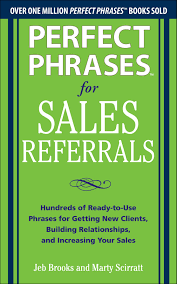
Perfect Phrases for Sales Referrals is a practical, phrase-by-phrase guide for sales professionals seeking to systematize and scale their referral generation. It unpacks the often-overlooked art of asking for introductions, framing it as a relationship-building exercise rather than a transactional request. The book offers a robust playbook for transforming casual conversations into a consistent pipeline of high-quality leads, directly impacting revenue growth and customer acquisition costs.
In addition to the insightful strategies presented in “Perfect Phrases for Sales Referrals” by Jeb Brooks and Marty Scirratt, readers may find value in exploring the article on the design principles outlined in “The Design of Everyday Things.” This article delves into how effective design can enhance user experience, paralleling the importance of clear communication in sales. For more information, you can read the article here: The Design of Everyday Things – Book Review.Key Insights:
1. The “Ask Continuum” and Relationship Leverage:
Brooks and Scirratt introduce the concept of an “Ask Continuum,” illustrating how the nature and timing of a referral request should align with the depth and history of the relationship. This is critical for CX leaders, as it highlights the value of nurturing customer relationships beyond transactional interactions. By understanding where a customer sits on this continuum, CX teams can guide sales in identifying prime referral opportunities. For example, a customer who has just experienced a successful onboarding (high satisfaction, fresh positive memory) is on a different point on the continuum than a long-term client who recently had a service issue resolved. Recognizing this nuance enables sales to tailor their referral approach, improving conversion rates and minimizing perceived pushiness. This directly impacts customer retention by demonstrating a continued investment in the customer’s success and well-being, rather than solely viewing them as a source of further business.
2. Pre-Framing and Value-Driven Messaging:
The authors emphasize the importance of “pre-framing” the referral request, positioning it not as a personal favor, but as a genuine offer to help the referred party. They provide numerous examples of how to articulate the value proposition for both the referrer and the referred. From a CX perspective, this translates directly to proactive customer education and value communication. If customers consistently understand the full breadth of problems your solution solves, they are better equipped to identify others who would benefit. CX teams can develop communication strategies (e.g., quarterly value reports, “did you know?” campaigns) that equip customers with the language and rationale needed to make effective referrals. This not only fuels revenue growth but also strengthens customer advocacy, turning satisfied clients into active promoters.
3. The “Soft Ask” and Non-Pressuring Techniques:
The book champions “soft asks,” which are indirect yet effective methods of prompting referrals without putting the customer on the spot. This includes leveraging social media, seeking testimonials that naturally lead to introductions, and offering to help the referrer first. This insight is a goldmine for operational efficiency within sales and CX. By integrating soft asks into routine customer interactions (e.g., post-onboarding surveys, annual review calls), organizations can uncover referral opportunities without dedicated, resource-intensive sales pitches. This passive referral generation can significantly reduce customer acquisition costs by relying on warm introductions rather than cold outreach. Furthermore, it reinforces a customer-centric approach, where the interaction feels collaborative and supportive, not solely driven by a sales agenda.
4. Systematizing the Referral Process and Follow-Up:
Brooks and Scirratt provide detailed frameworks for tracking referrals, establishing clear communication protocols, and most importantly, promptly following up and expressing gratitude. For executives, this highlights the need for a structured referral program that extends beyond individual sales initiatives. A robust CRM system can be leveraged to track referral sources, conversion rates, and the value generated from referred leads. CX teams play a crucial role here by ensuring that referred customers receive an exceptional onboarding experience, validating the referrer’s recommendation. This systematic approach contributes directly to revenue growth by ensuring no referral opportunity is lost and by fostering a culture where referrals are consistently sought and valued. It also improves operational efficiency by streamlining the hand-off between sales, marketing, and CX for referred prospects.
Practical Application:

- Integrate “Ask Continuum” Training into Sales and CX Onboarding: Develop a training module that educates both sales and customer success teams on identifying relationship stages and tailoring referral requests accordingly. Provide specific phrase examples for each stage (e.g., “new client,” “established partner,” “superfan”). This ensures a consistent, customer-centric approach to referral generation across the organization, improving both effectiveness and customer perception.
- Develop a “Value Proposition Toolkit” for Customer Advocates: Create a concise, easily shareable toolkit (e.g., a one-pager, short video) that summarizes your key value propositions and ideal customer profiles. Equip your most satisfied customers with this resource, encouraging them to share it with their network. This empowers customers to become effective advocates, pre-qualifying leads and reducing the sales cycle time for referred prospects, thereby directly impacting revenue growth and operational efficiency.
Final Verdict:

Must Read: Sales leaders, CX executives, and any entrepreneur seeking to scale their business through organic growth. This book provides a much-needed tactical playbook for an often-discussed but rarely systematized revenue engine. It’s particularly valuable for organizations looking to reduce reliance on expensive outbound marketing and embrace a relationship-first growth strategy.
Can Skip It: Individuals whose primary focus is on high-volume transactional sales with minimal customer interaction or those who already have a highly mature and systematized referral program with documented success.
Bottom-Line Rating: 9/10 – A pragmatic and immediately actionable guide for unlocking a powerful, yet often underutilized, sales channel.
In the realm of sales strategies, the insights offered in “Perfect Phrases for Sales Referrals” by Jeb Brooks and Marty Scirratt can be complemented by exploring additional resources that enhance relationship-building techniques. For instance, an article that delves into effective networking strategies can provide further guidance on how to cultivate connections that lead to referrals. You can find valuable tips and methods in this related piece, which can be accessed through this link. By integrating the phrases from Brooks and Scirratt’s book with the strategies outlined in the article, sales professionals can significantly boost their client acquisition efforts.The Untapped Power of the Referral Economy
In an increasingly competitive business landscape, the adage “it’s not what you know, it’s who you know” has never been more relevant. While digital marketing and outbound sales strategies often consume the lion’s share of budget and attention, the humble referral remains one of the most potent, cost-effective, and high-converting sources of new business. Brooks and Scirratt’s Perfect Phrases for Sales Referrals is a timely and invaluable resource that elevates referral generation from a serendipitous event to a strategic, repeatable process. They argue, convincingly, that the problem isn’t a lack of potential referrers, but rather a lack of structured, confident, and relationship-oriented approaches to asking. For any executive looking to optimize their sales pipeline and maximize customer lifetime value, understanding and implementing the principles within this book is paramount.
Deconstructing the “Ask”: More Than Just Words
The book’s strength lies in its granular approach to the “ask” itself. It moves beyond generic advice and provides the exact language, framing, and psychological considerations needed to transform a potentially awkward request into a natural extension of a trusted relationship.
The Psychology of the Referral Request
Brooks and Scirratt delve into the underlying psychology of why people refer, and more importantly, why they don’t. They explain that fear of rejection, discomfort, and a lack of clarity are common blockers. By providing specific phrases and scenarios, they arm salespeople with the tools to overcome these internal and external barriers. This isn’t just about scripting; it’s about building confidence and understanding the referrer’s perspective. For CX leaders, this translates into designing customer journeys that inherently build referral confidence – for instance, by proactively highlighting customer success stories that customers can easily share, making the act of referral feel less like a personal endorsement and more like sharing a valuable insight.
Crafting the Irresistible Value Proposition for the Referred
A recurring theme is that the best referral asks focus on the benefit to the referred party, not just the benefit to the salesperson. The authors provide numerous examples of how to articulate this value concisely and compellingly. This is a critical insight for marketers and product managers as well. If your core value proposition isn’t clear and impactful, even the most skilled referrer will struggle. The book acts as a litmus test: if you can’t easily articulate your value in a referral context, there’s work to be done on your messaging and product-market fit.
Beyond the Initial Ask: Nurturing the Referral Ecosystem
The book’s scope extends beyond the initial conversation, offering comprehensive strategies for building a sustainable referral ecosystem. This holistic view is what makes it so valuable for strategic leaders.
The Art of Pre-Call Planning and Research
Effective referrals don’t happen in a vacuum. Brooks and Scirratt stress the importance of thorough preparation, including researching potential referrers’ networks and understanding their business needs. This proactive approach minimizes wasted effort and increases the quality of introductions. From an operational standpoint, this highlights the need for integrated CRM data, where sales and CX teams can share insights about customer relationships and potential connections. Knowing who your customer knows, and what those connections might need, is a powerful predictor of referral success.
The Critical Role of Follow-Up and Gratitude
Perhaps one of the most overlooked aspects of referral generation is the follow-up. The authors dedicate significant attention to thanking the referrer, providing updates on the referred contact, and celebrating successes. This isn’t merely good manners; it’s a strategic move that reinforces the relationship and encourages future referrals. CX teams can leverage this by creating automated or personalized thank-you processes for customers who provide referrals, perhaps offering exclusive content, early access to new features, or a small token of appreciation. This consistent feedback loop transforms a one-off favor into an ongoing partnership.
Integrating Referrals into Your CX Strategy
While ostensibly a sales book, Perfect Phrases for Sales Referrals offers profound implications for Customer Experience (CX) strategy. The core principles of building trust, understanding needs, and demonstrating value are universal across sales and CX.
Proactive Referral Cultivation within CX
CX teams are uniquely positioned to cultivate referral opportunities. By consistently delivering exceptional service, resolving issues efficiently, and proactively demonstrating value, they build the deep trust required for referral asks. The book’s frameworks can guide CX professionals in identifying “referral-ready” customers and initiating soft asks during routine interactions like quarterly business reviews or post-onboarding check-ins. Imagine a customer success manager asking, “Given how much value you’ve seen from [our solution], who else in your network do you think might benefit from solving similar challenges?” This integrates referral generation naturally into the customer journey, making it a continuous process rather than an isolated sales event.
The Feedback Loop: Referrals as a Measure of CX Success
A strong, consistent stream of high-quality referrals is arguably one of the most robust indicators of customer satisfaction and loyalty. If customers are willing to stake their reputation on recommending your product or service, it speaks volumes about their experience. Executives can view referral metrics not just as sales KPIs, but as a critical CX metric. Tracking conversion rates of referred leads, time-to-close, and ultimately, the lifetime value of referred customers provides tangible evidence of successful CX initiatives. If referral rates are low, it might signal deeper issues within the customer experience that need addressing.
Conclusion: A Definitive Playbook for Growth
Perfect Phrases for Sales Referrals is far more than a collection of scripts; it’s a strategic blueprint for unlocking a powerful, organic growth engine. It champions a relational approach to sales that resonates deeply with modern CX principles. By empowering sales and CX teams with the confidence and language to ask for referrals effectively, and by systematizing the entire process, organizations can significantly enhance customer acquisition, reduce marketing spend, and build a more resilient, customer-advocacy-driven business. This book should be on the shelf of every executive, sales leader, and CX professional who is serious about sustainable, profitable growth. Its emphasis on integrity, value, and relationship-building ensures that growth is achieved not just quickly, but also ethically and durably.