Executive Summary
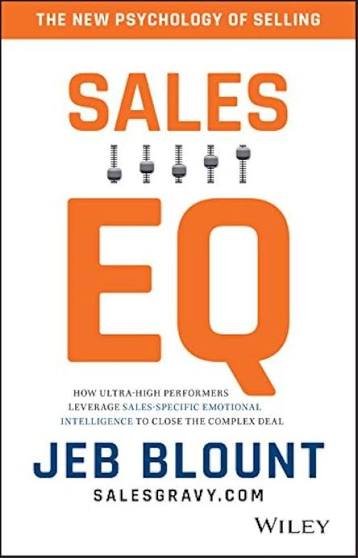
Jeb Blount’s Sales EQ argues that in today’s hyper-connected, data-driven sales landscape, the ultimate competitive differentiator isn’t technology or process, but emotional intelligence (EQ). The book compellingly asserts that mastering the ability to understand, manage, and leverage emotions—both your own and those of your prospect—is paramount to closing deals, building lasting customer relationships, and driving sustainable revenue growth.
In addition to the insightful perspectives presented in the book review of “Sales EQ” by Jeb Blount, readers may find it beneficial to explore a related article that delves deeper into the emotional intelligence skills necessary for successful sales strategies. This article offers practical tips and techniques that can enhance one’s ability to connect with clients and improve overall sales performance. For more information, you can read the article here: Related Article.
The EQ Imperative in a Data-Obsessed World
In an era where CRM systems track every interaction and AI promises to predict customer behavior, it’s easy to fall into the trap of believing that sales has become a purely analytical exercise. Blount directly challenges this notion, positing that while data provides valuable context, it’s the human connection that ultimately seals the deal. He contends that the most successful salespeople are not necessarily those with the deepest product knowledge or the most sophisticated sales playbooks, but rather those who possess a high degree of emotional intelligence. This intelligence allows them to navigate the intricate web of human motivations, anxieties, and aspirations that lie at the heart of every purchasing decision.
For CX leaders and operators, this is a critical insight. It means that even the most optimized customer journeys, the most frictionless digital experiences, and the most comprehensive knowledge bases can fall flat if they lack the underlying human touch that EQ enables. Customers don’t just buy products or services; they buy solutions to their problems, assurance, and a sense of being understood and valued. Sales EQ, therefore, is not just a sales concept; it’s a foundational element of a superior customer experience.
Key Insights: Bridging the Gap Between Transaction and Relationship
Blount unpacks Sales EQ through a series of actionable principles that directly impact the bottom line:
- Understanding the Emotional Drivers of Decision-Making:
- Connection to CX: Customers rarely make purely rational decisions. Fear of missing out (FOMO), the desire for status, the need for security, and the aspiration for improvement are powerful emotional levers. Recognizing these drivers allows sales teams to craft messaging that resonates on a deeper level, moving beyond functional benefits to address unmet emotional needs. This is crucial for customer retention; understanding why a customer initially chose your solution (and what keeps them loyal) requires tapping into their emotional landscape.
- Connection to Revenue Growth: By aligning product or service offerings with these emotional drivers, sales teams can increase perceived value, justify higher price points, and shorten sales cycles. Prospects who feel emotionally connected to a solution are more likely to commit.
- Mastering the Art of Active Listening and Empathy:
- Connection to CX: True active listening goes beyond simply hearing words; it’s about understanding the underlying emotions, concerns, and unspoken needs. Empathy allows salespeople to step into the customer’s shoes, acknowledging their challenges and validating their feelings. This builds trust and rapport, which are the bedrock of long-term customer loyalty. For CX, this translates to gathering richer, more nuanced customer feedback and designing solutions that truly address pain points.
- Connection to Operational Efficiency: By deeply understanding customer needs upfront, sales teams can avoid wasted efforts on solutions that aren’t a good fit, reducing the likelihood of churn and costly support issues down the line. This streamlines the sales process and improves resource allocation.
- The Power of Self-Awareness and Emotional Regulation:
- Connection to CX: A salesperson’s own emotional state can significantly impact their interactions. Stress, frustration, or defensiveness can quickly derail a conversation. Developing self-awareness allows salespeople to recognize their emotional triggers and to regulate their responses, maintaining a calm, confident, and empathetic demeanor, even in challenging situations. This consistency in positive emotional expression contributes to a more predictable and pleasant customer experience.
- Connection to Revenue Growth: Emotional regulation prevents costly mistakes driven by impulsive reactions. It allows salespeople to remain objective, focus on solutions, and maintain control of the sales dialogue, thereby increasing their chances of closing the deal.
- Building Rapport and Trust Through Authenticity:
- Connection to CX: Authenticity is the currency of trust. In an age of skepticism, customers are more likely to engage with and buy from individuals they perceive as genuine and transparent. Salespeople who are willing to be vulnerable, admit what they don’t know, and demonstrate a genuine desire to help foster deeper, more meaningful relationships, which are crucial for customer advocacy and organic growth.
- Connection to Customer Retention: When customers feel a genuine connection with their salesperson, they are less likely to shop around for alternatives, even if competitors offer similar features or pricing. This loyalty is a powerful driver of recurring revenue.
Practical Application: Putting Sales EQ into Action
Blount provides a framework that is as much about personal development as it is about sales tactics. Here are two immediate ways leaders can implement these ideas:
- Integrate EQ into Sales Training and Onboarding:
- Action: Beyond product knowledge and CRM training, dedicate significant modules to developing active listening skills, empathy exercises, and emotional self-awareness techniques. Role-playing scenarios should focus on navigating emotional objections and building rapport, not just feature-benefit selling.
- Impact: This foundational shift ensures that new hires and existing team members are equipped with the essential human skills to connect with customers effectively, leading to improved conversion rates and stronger customer relationships from the outset. For CX, this means ensuring a consistent, empathetic experience across all customer touchpoints.
- Implement “Emotional Check-ins” and Coaching:
- Action: During regular one-on-one meetings with sales reps, dedicate time to discussing not just pipeline and performance metrics, but also the emotional dynamics of their recent client interactions. Encourage them to share their emotional state during challenging calls and coach them on how to regulate their responses.
- Impact: This creates a culture of psychological safety and continuous improvement. Sales leaders can identify patterns of emotional reactivity or missed opportunities for connection and provide targeted coaching. This not only enhances individual performance but also contributes to a more resilient and adaptable sales team, ultimately improving the customer experience through more consistent, positive interactions.
In the insightful book review of “Sales EQ” by Jeb Blount, the author emphasizes the importance of emotional intelligence in the sales process, highlighting how understanding and managing emotions can significantly enhance sales performance. For those interested in further exploring the intersection of emotional intelligence and professional development, a related article can be found at Career Fitness Series, which delves into strategies for cultivating emotional awareness in various career paths. This resource complements Blount’s ideas by offering practical applications for emotional intelligence in the workplace.
The Bottom Line: A Modern Sales Manifesto
Jeb Blount’s Sales EQ is not just another sales book; it’s a timely and essential reminder of the enduring power of human connection in business. In a world increasingly dominated by algorithms and automation, Blount makes a compelling case that emotional intelligence is the ultimate competitive advantage.
Who Must Read This:
Any sales professional, sales leader, CX leader, or business executive who wants to move beyond transactional selling and build genuine, long-lasting customer relationships. This book is particularly vital for those in roles responsible for revenue generation, customer retention, and overall customer experience strategy.
Who Can Skip It:
Individuals who are already exceptionally skilled in emotional intelligence and have a proven track record of building deep customer rapport, or those primarily focused on purely transactional, commoditized sales where human interaction is minimal. However, even for these individuals, a refresher on these core principles could prove beneficial.
Final Verdict:
Sales EQ is a masterclass in the human side of sales. Blount provides a pragmatic, actionable framework for understanding and leveraging emotional intelligence, making it an indispensable read for anyone serious about driving sustainable revenue growth and delivering exceptional customer experiences in the 21st century. This book deserves a prominent spot on the bookshelf of any leader aiming to build a truly customer-centric organization.
The Evolution of Sales: From Transactional to Relational
The landscape of sales has undergone a dramatic metamorphosis over the past few decades. Historically, sales was often characterized by a transactional approach, where the primary goal was to move product, close the deal, and move on to the next prospect. Success was measured by volume and speed. However, with the advent of the internet, increased competition, and a more informed customer base, this model has become increasingly unsustainable. Customers now have access to a wealth of information, peer reviews, and alternative solutions at their fingertips. This shift has necessitated a move towards a more relational sales model, where building trust, understanding customer needs deeply, and fostering long-term partnerships are paramount.
Blount’s Sales EQ directly addresses this evolution. He argues that the transactional approach, while perhaps effective in certain niche markets or historical contexts, is fundamentally insufficient in today’s complex business environment. The modern buyer is not looking for a quick transaction; they are seeking solutions to complex problems, strategic partners, and trusted advisors. This is where emotional intelligence becomes not just a desirable trait, but a critical competency. A salesperson armed with high Sales EQ can navigate the nuances of these relationships, understand the unspoken needs, and build the trust required for a successful, enduring partnership. This resonates deeply with CX principles, which emphasize understanding the entire customer lifecycle and fostering loyalty beyond the initial purchase.
The Psychological Underpinnings of Buyer Behavior
At its core, Sales EQ delves into the psychology of buyer behavior. Blount emphasizes that decisions are rarely made solely on logic or feature sets. Instead, a complex interplay of emotions, cognitive biases, and personal motivations drives purchasing choices. He introduces concepts that highlight how fear of missing out (FOMO), the desire for social validation, the need for security, and the aspiration for self-improvement all play significant roles in the decision-making process.
For sales leaders and operators, this insight is gold. It shifts the focus from simply presenting product features to understanding the emotional “why” behind a customer’s need. For instance, a prospect might express a need for a new software solution, but the underlying emotional driver could be the fear of falling behind competitors, the desire for personal recognition for implementing a cutting-edge technology, or the anxiety of continuing with an inefficient, frustrating existing system. A salesperson with high Sales EQ can identify these emotional undercurrents and tailor their pitch to address them directly, making the proposed solution far more compelling.
From a CX perspective, this understanding is invaluable for designing customer journeys. If we know that customers are driven by the need for security, our onboarding process should emphasize reassurance and robust support. If they are motivated by status, our communication should highlight how our offering elevates their standing. This psychological insight allows for more targeted and effective customer engagement strategies, leading to higher satisfaction and retention rates.
Deconstructing Sales EQ: Core Components and Capabilities
Blount breaks down Sales EQ into several key components, each crucial for effective sales interactions. These are not abstract theories but practical skills that can be developed and honed:
Active Listening and Empathetic Understanding
This is perhaps the most foundational element of Sales EQ. Active listening involves more than just hearing what a prospect is saying; it’s about truly understanding their message, including the underlying emotions and unspoken concerns. This requires:
- Paying Full Attention: Minimizing distractions, making eye contact (virtually or in-person), and signaling engagement through non-verbal cues.
- Reflecting and Clarifying: Paraphrasing what has been heard to ensure understanding and asking open-ended questions to encourage further elaboration.
- Empathizing: Stepping into the prospect’s shoes, acknowledging their feelings, and validating their concerns, even if you don’t necessarily agree with their perspective. This builds immediate rapport and trust.
Self-Awareness and Emotional Regulation
The ability to understand and manage one’s own emotions is as critical as understanding the prospect’s. Salespeople often face rejection, pressure, and demanding situations. Without self-awareness, these can lead to:
- Emotional Reactivity: Responding defensively or impulsively, which can derail conversations and damage relationships.
- Burnout: Allowing negative emotions to fester, impacting overall performance and well-being.
Emotional regulation, on the other hand, empowers salespeople to:
- Identify Triggers: Recognize what situations or comments cause them to feel stressed, anxious, or frustrated.
- Manage Responses: Employ strategies to remain calm, composed, and professional, even in challenging circumstances. This allows for more objective problem-solving and a more positive customer interaction.
Building Rapport and Trust Through Authenticity
In an era where skepticism is rampant, authenticity is the cornerstone of trust. Blount emphasizes that customers are drawn to salespeople who are genuine, transparent, and have their best interests at heart. This involves:
- Honesty and Transparency: Admitting when you don’t have an answer, being upfront about limitations, and avoiding overly aggressive or misleading tactics.
- Vulnerability: Sharing relevant personal anecdotes or experiences (appropriately) can create a human connection.
- Focus on Value, Not Just Transactions: Demonstrating a genuine desire to help the prospect solve their problem, rather than just pushing a product.
The Tangible Impact on Business Outcomes
The principles outlined in Sales EQ have a direct and measurable impact on critical business metrics.
Enhanced Customer Retention and Loyalty
When a salesperson leverages Sales EQ, they are not just making a sale; they are building a relationship. This foundational trust and understanding lead to:
- Increased Customer Satisfaction: Customers feel heard, valued, and understood, leading to a more positive overall experience.
- Reduced Churn: Loyal customers are less likely to defect to competitors, even if presented with slightly better pricing or features. They have an established relationship with a trusted advisor.
- Greater Customer Lifetime Value (CLV): Repeat business, upsells, and cross-sells become more likely when the customer has a strong, positive connection with the sales organization.
Accelerated Revenue Growth and Deal Closure
High Sales EQ translates directly into improved sales performance:
- Shorter Sales Cycles: By understanding and addressing emotional objections, salespeople can navigate the decision-making process more efficiently.
- Higher Conversion Rates: Prospects who feel a genuine connection and trust are more likely to commit to a purchase.
- Increased Deal Size: By understanding the deeper needs and aspirations, salespeople can effectively position premium solutions that offer greater value.
- More Referrals and Advocacy: Satisfied customers who feel genuinely cared for become powerful advocates, driving organic growth through word-of-mouth.
Improved Operational Efficiency and Reduced Cost of Sales
While seemingly focused on the “soft skills,” Sales EQ actually contributes to operational efficiency:
- Better Prospect Qualification: By deeply understanding needs and motivations early on, salespeople can avoid wasting time on prospects who are not a good fit, reducing wasted resources.
- Fewer Post-Sale Issues: When solutions are aligned with true customer needs (both rational and emotional), the likelihood of customer dissatisfaction and subsequent support escalations decreases.
- More Effective Team Collaboration: Salespeople with higher EQ are often better collaborators, leading to improved team dynamics and knowledge sharing.
Implementing Sales EQ: A Roadmap for Leaders
Jeb Blount’s book is rich with actionable advice, but translating these insights into organizational practice requires deliberate effort.
Integrating EQ into Sales Methodologies and Processes
Simply telling salespeople to “be more empathetic” is insufficient. Leaders must embed EQ principles into the very fabric of their sales operations:
- Revise Sales Playbooks: Ensure that sales methodologies explicitly incorporate steps for active listening, empathy mapping, and rapport building.
- Develop EQ-Focused Training Modules: Beyond product training, invest in workshops that teach specific techniques for emotional intelligence development, conflict resolution, and persuasive communication rooted in understanding.
- Incorporate EQ Metrics into Performance Reviews: Move beyond purely quantitative metrics (e.g., number of calls, revenue closed) to include qualitative assessments of a salesperson’s ability to build rapport, handle objections empathetically, and demonstrate self-awareness.
Fostering a Culture of Continuous Learning and Emotional Intelligence
Sales EQ is not a one-time training event; it’s a journey of continuous improvement. Leaders play a pivotal role in cultivating this environment:
- Lead by Example: Demonstrate high levels of emotional intelligence in your own interactions with your team and other stakeholders.
- Encourage Open Communication and Feedback: Create a safe space where salespeople can discuss challenges, share learnings, and seek support without fear of judgment.
- Provide Regular Coaching and Mentorship: Offer consistent, constructive feedback focused on both technical skills and emotional intelligence development.
- Utilize Technology Wisely: While technology can provide data, ensure it’s used to enhance human connection, not replace it. CRM notes should capture emotional cues and relationship insights, not just transaction details.
Sales EQ by Jeb Blount is a must-read for any leader aiming to elevate their sales team from order-takers to trusted advisors. It’s a profound reminder that in the realm of business, mastering the human element is the most powerful strategy for sustained success and customer loyalty.
FAQs
What is the book “Sales EQ” about?
Sales EQ by Jeb Blount is a book that focuses on the emotional intelligence (EQ) skills that are essential for sales success. Blount emphasizes the importance of understanding and managing emotions in sales interactions, and provides practical strategies for developing EQ in a sales context.
Who is the author of “Sales EQ”?
The author of “Sales EQ” is Jeb Blount, a sales acceleration specialist and the founder of Sales Gravy, a global sales training organization. Blount is also the author of several other bestselling books on sales and business.
What are some key topics covered in “Sales EQ”?
Some key topics covered in “Sales EQ” include the role of emotions in sales, building rapport and trust with customers, handling rejection and objections, and using empathy to understand and connect with buyers. The book also delves into the importance of self-awareness and self-regulation for sales professionals.
Who is the target audience for “Sales EQ”?
The target audience for “Sales EQ” includes sales professionals, sales managers, and anyone involved in the sales process. The book is designed to help individuals at all levels of the sales organization improve their emotional intelligence and enhance their sales performance.
What are some of the key takeaways from “Sales EQ”?
Some key takeaways from “Sales EQ” include the importance of empathy and emotional connection in sales, the value of understanding and managing one’s own emotions, and the impact of emotional intelligence on sales outcomes. The book also provides actionable strategies and techniques for developing EQ skills in a sales context.