Executive Summary:
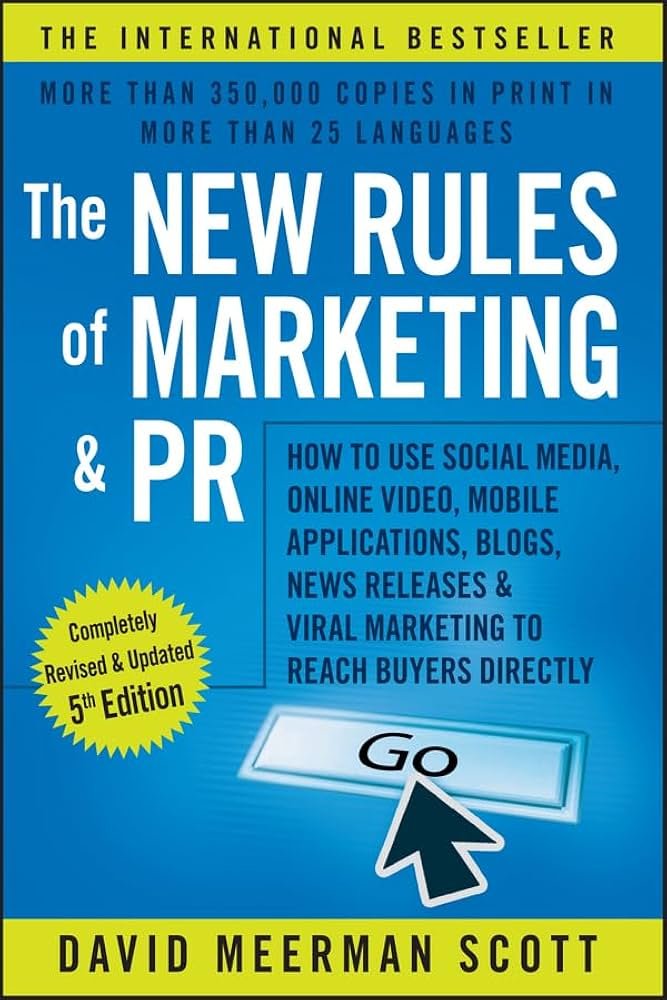
David Meerman Scott’s The New Rules of Marketing & PR remains a foundational text, advocating for an empathetic, value-driven approach to engaging customers in a digitally transformed landscape. It emphasizes the power of content, direct communication, and relationship building over traditional advertising, urging businesses to earn attention rather than buy it. This 6th edition reinforces that authentic digital engagement is paramount for sustainable growth and customer loyalty.
Key Insights:
- Content is Currency, Not Just Campaigns: Scott rigorously argues that high-quality, relevant content—from blog posts and white papers to videos and podcasts—is the primary driver of inbound interest and thought leadership. For CX leaders, this translates to proactive content strategies that answer customer questions, solve problems, and educate. Instead of waiting for issues, CX teams can reduce support burden and enhance retention by creating easily accessible resources (FAQs, how-to guides, troubleshooting videos) that empower self-service and proactively address common pain points. This shifts CX from reactive problem-solving to proactive value creation, directly impacting operational efficiency by reducing call volumes and improving first-contact resolution rates.
- Direct Engagement Over Gatekeepers: The book champions direct communication with customers and stakeholders through social media, email newsletters, and community platforms, bypassing traditional media gatekeepers. For sales and revenue growth, this means shortening the sales cycle by enabling direct interactions between prospects and subject matter experts. CX leaders can leverage these channels to build strong communities around their products or services, fostering peer-to-peer support and gathering immediate feedback. This direct line of communication accelerates problem resolution, personalizes the customer journey, and provides invaluable insights for product development and service improvement, thereby enhancing customer lifetime value.
- Newsjacking: Seizing Real-Time Opportunities: Scott introduces “Newsjacking” – the art and science of injecting your brand’s ideas into a breaking news story to gain media attention and drive awareness. While often seen as a PR tactic, CX and operations teams can adapt this concept. For example, if a competitor experiences a major service outage (breaking news), a well-prepared CX team can proactively communicate their own system stability, offer support to affected customers (where appropriate and ethical), or even launch targeted campaigns highlighting their robust infrastructure. This demonstrates agility and customer-centricity, turning external events into opportunities to reinforce trust and differentiate the brand, ultimately protecting and potentially growing market share.
- The Buyer Persona is Your North Star: A recurring theme is the necessity of deeply understanding your target audience through detailed buyer personas. This isn’t just a marketing exercise; it’s fundamental to CX and product strategy. When CX teams understand the demographics, psychographics, motivations, and pain points of each persona, they can tailor support channels, communication styles, and even product onboarding flows to resonate more effectively. This deep empathy reduces friction points, anticipates needs, and personalizes the customer experience at scale, directly contributing to higher satisfaction scores and reduced churn. Understanding customer goals allows operations to optimize processes to meet those specific needs, boosting efficiency and relevance.
Practical Application:
- Launch a “Customer Knowledge Base & Insights Hub”: Immediately task your CX and product teams with curating a comprehensive, searchable online knowledge base. This hub should proactively address frequently asked questions, offer step-by-step guides, and provide insights into optimizing product usage. Measure the impact on support ticket volume for common issues and track self-service engagement. This directly reduces operational costs associated with support and empowers customers.
- Implement a “Direct Feedback Loop & Community Pilot”: Select a segment of your customer base and establish a dedicated, moderated online community or direct feedback channel (e.g., a private Slack group, a dedicated forum, or regular “ask me anything” webinars with product leaders). Encourage candid feedback and peer-to-peer interaction. This immediate, unfiltered input provides invaluable data for product iterations, service improvements, and allows for rapid issue resolution, directly impacting customer satisfaction and retention metrics.
Final Verdict:
Who Must Read This: Marketing leaders, CMOs, C-level executives grappling with digital transformation, and CX strategists seeking to bridge the gap between customer experience and marketing. Operators focused on efficiency through customer empowerment will also find immense value.
Who Can Skip It: Those already deeply embedded in cutting-edge digital marketing practices, or organizations with a mature, integrated content and social media strategy. While the principles are timeless, some tactical examples may feel familiar to the digitally native.
Bottom-Line Rating: 9/10 – A seminal work that remains highly relevant. Essential reading for navigating the ever-evolving digital customer landscape.
David Meerman Scott’s The New Rules of Marketing and PR has consistently served as a compass for businesses navigating the turbulent waters of digital communication since its initial release. Now in its 6th edition, the book isn’t just updated; it’s a recalibrated north star, affirming that the core principles of genuine connection, valuable content, and authentic engagement are more critical than ever. In an era saturated with information and bombarded with ads, Scott’s message cuts through the noise: stop pushing, start pulling. This isn’t just a marketing philosophy; it’s a blueprint for superior customer experience, operational efficiency, and sustainable revenue growth.
Beyond the Hype: Core Tenets for Modern Business
Scott’s framework is built on fundamental truths that transcend fleeting trends. He argues that the digital revolution didn’t just change tools; it fundamentally shifted power dynamics from organizations to individuals. Customers now hold the keys, possessing unprecedented access to information, peer reviews, and direct communication channels. This shift demands a radical rethink of how businesses interact, persuade, and retain.
From Monologue to Dialogue: The Power of Conversation
One of the book’s most significant contributions is its emphasis on conversation over broadcast. Traditional marketing was a monologue: brands shouted messages at passive audiences. The new rules dictate a dialogue. This isn’t just about responding to social media comments; it’s about actively listening, participating in communities, and creating platforms for customers to engage with each other and with the brand.
- CX Implications: For Customer Experience leaders, this means moving beyond reactive support. It’s about proactive engagement, anticipating needs, and fostering a sense of community. Companies that create forums, host webinars, or engage in meaningful social media discussions not only resolve issues faster but also build stronger emotional connections, leading to higher customer loyalty and reduced churn. This direct feedback loop also provides invaluable insights for product development and service improvement, ensuring that offerings remain aligned with customer expectations.
- Operational Efficiency: A vibrant customer community can significantly reduce inbound support requests. When customers can find answers from peers or self-serve through comprehensive knowledge bases built from real-time community insights, it frees up support staff to handle more complex issues, thereby improving operational efficiency and reducing costs.
In addition to the insightful perspectives offered in “The New Rules of Marketing and PR, 6th Edition” by David Meerman Scott, readers may find it beneficial to explore related articles that delve deeper into the evolving landscape of digital marketing. One such article can be found at Shilotri, which discusses the importance of adapting marketing strategies to meet the demands of a rapidly changing digital environment. This resource complements Scott’s work by providing practical tips and trends that can enhance any marketing or public relations strategy.
Content as the Ultimate Sales & Retention Tool
Scott meticulously details how content, not advertising, is the engine of modern marketing and PR. He asserts that buyers actively seek information to solve their problems, and businesses that provide valuable, relevant content at every stage of the buyer’s journey will win their trust and their business.
Educate, Don’t Interrupt: The Inbound Revolution
The book champions inbound marketing principles, where customers are drawn to your brand because you offer solutions to their problems, not because you interrupted their browsing with an ad. This requires a strategic approach to content creation that goes beyond simple product descriptions.
- Sales Enablement: For sales teams, this means equipping them with a rich library of content—case studies, white papers, blog posts, videos—that addresses specific prospect pain points. Instead of cold calling, sales professionals become trusted advisors, sharing valuable insights that help prospects make informed decisions. This approach shortens sales cycles, increases conversion rates, and fosters a more consultative sales culture, leading to higher-value deals.
- Customer Retention: Beyond the initial sale, valuable content plays a crucial role in customer retention. Onboarding guides, advanced feature tutorials, best practice articles, and thought leadership pieces keep customers engaged, help them maximize their use of the product, and reinforce the value proposition. This proactive support through content reduces user frustration, prevents churn, and can even drive up-sells by highlighting additional benefits customers might not be utilizing. CX teams should be key contributors to this content strategy, using their insights into customer struggles to inform content creation.
The Real-Time Imperative: Agility and Authenticity
One of the most dynamic aspects of Scott’s “new rules” is the emphasis on real-time engagement and the ability to act quickly and authentically. The digital world moves fast, and businesses that can respond, adapt, and even “newsjack” effectively gain a significant advantage.
Newsjacking and Brand Resonance
Newsjacking—the process of injecting your company’s ideas into a breaking news story—is presented as a powerful PR tactic. However, its underlying principle of agility and relevance has broader applications for CX and strategy.
- Strategic Agility: While directly newsjacking may not always be appropriate for CX, the principle of being attuned to external events and their potential impact on your customers is vital. If a major industry event occurs, or a competitor faces a crisis, a nimble CX team can proactively communicate, offer support, or adapt messaging to reassure their own customer base. This demonstrates leadership and reinforces brand trust.
- Authentic Communication: The speed of real-time communication demands authenticity. Customers are quick to spot canned responses or disingenuous attempts at engagement. Brands that respond with empathy, transparency, and a genuine desire to help build stronger relationships, even when addressing negative feedback or service disruptions. This authenticity is a cornerstone of a positive customer experience, differentiating a brand in a crowded market.
Mastering the Buyer Persona: The Foundation of all Engagement
A consistent thread throughout the book is the critical importance of understanding your audience. Scott reiterates that without deeply defined buyer personas—detailed representations of your ideal customers—all marketing, sales, and CX efforts will fall short.
Empathy as a Strategic Differentiator
Creating rich buyer personas goes beyond demographics; it delves into psychographics, motivations, fears, and the specific problems customers are trying to solve. This deep empathy is the foundation for creating truly effective communication and experiences.
- Personalized CX: For CX leaders, buyer personas are indispensable. They inform the design of support channels (e.g., chat vs. phone for different segments), the tone of voice in communications, and the types of self-service resources offered. A deep understanding of persona-specific pain points allows CX teams to proactively address issues before they escalate, personalize interactions, and create seamless, satisfying customer journeys. This directly contributes to higher customer satisfaction scores and reduces the likelihood of churn.
- Product and Service Innovation: When product development teams are intimately familiar with buyer personas, they can design solutions that genuinely meet market needs. This reduces the risk of building features nobody wants and increases the likelihood of creating sticky, highly valued products. Sales teams can tailor their pitches and solutions more effectively, directly boosting conversion rates and average deal sizes. In essence, personas serve as a unifying language across the organization, ensuring everyone is building and delivering value for the same target customer.
In the realm of marketing and public relations, David Meerman Scott’s “The New Rules of Marketing and PR, 6th Edition” offers invaluable insights into the evolving landscape of digital communication. For those interested in exploring further, a related article that delves into the intersection of spirituality and practical guidance is available at The Holy Science Book Review, which provides a unique perspective that complements the strategies discussed in Scott’s work. This connection between marketing principles and broader themes can enhance one’s understanding of how to effectively engage audiences in today’s fast-paced environment.
Conclusion: The Customer-Centric Imperative
The New Rules of Marketing and PR, 6th Edition is more than a marketing book; it’s a compelling argument for a customer-centric business philosophy. Scott’s insights compel executives, operators, and strategists to shift their focus from mere transactions to building enduring relationships through valuable content, direct engagement, and real-time responsiveness. The “new rules” aren’t new anymore; they are the fundamental principles of doing business effectively in the digital age. Ignoring them is not just a marketing oversight; it’s a strategic liability that impacts customer experience, operational efficiency, and ultimately, the bottom line.
FAQs
What is the book “The New Rules of Marketing and PR, 6th Edition” about?
The book “The New Rules of Marketing and PR, 6th Edition” by David Meerman Scott provides insights and strategies for leveraging the power of the internet and social media to reach and engage with potential customers.
Who is the author of “The New Rules of Marketing and PR, 6th Edition”?
The author of “The New Rules of Marketing and PR, 6th Edition” is David Meerman Scott, a marketing strategist, entrepreneur, and best-selling author known for his expertise in online marketing and social media.
What are some key topics covered in “The New Rules of Marketing and PR, 6th Edition”?
The book covers topics such as content marketing, social media, influencer marketing, online advertising, and the use of data and analytics to drive marketing and PR strategies.
Who is the target audience for “The New Rules of Marketing and PR, 6th Edition”?
The book is targeted towards marketing professionals, PR practitioners, entrepreneurs, business owners, and anyone interested in leveraging digital marketing and social media for business growth.
What are some of the key takeaways from “The New Rules of Marketing and PR, 6th Edition”?
Some key takeaways from the book include understanding the shift in marketing and PR strategies in the digital age, leveraging content and social media for brand visibility, and implementing data-driven marketing and PR tactics for measurable results.