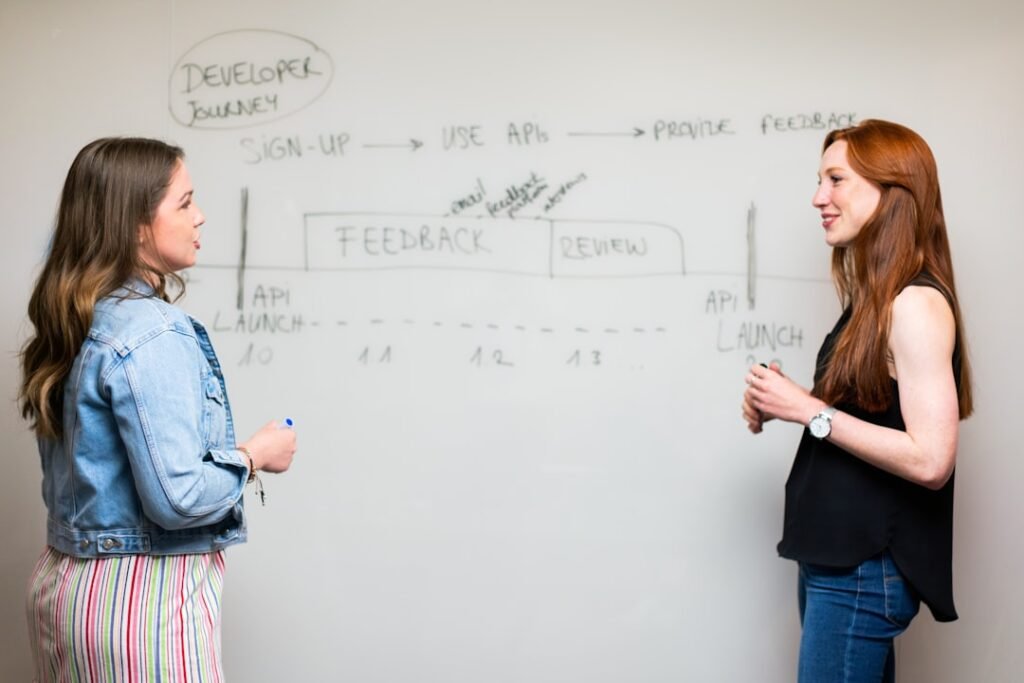
This is a great question, and one that’s sparked a lot of thought for me over the years. The line between coaching and managing can feel blurry sometimes, and honestly, it’s something I’m always refining. My philosophy boils down to this: managing is about setting the direction and ensuring the engine runs smoothly, while coaching is about helping each individual on the team become the best driver they can be. They’re not mutually exclusive; they’re two sides of the same coin, and the balance shifts depending on the person, the situation, and the goal.
Let’s dive into how I see this playing out in practice.
At its heart, managing is about oversight and responsibility for a team’s output. Coaching, on the other hand, is about empowering individuals to unlock their potential and improve their skills. They have different aims, even if they often happen in the same conversation.
The Manager’s Role: Setting the Course
When I’m managing, I’m thinking about the bigger picture. What are our team’s objectives? How do they align with the company’s goals? What resources do we need? It’s about ensuring we’re all moving in the right direction and that the work is getting done effectively.
Ensuring Alignment with Team Goals
My primary responsibility as a manager is to make sure everyone on the team understands our collective objectives. This isn’t just about stating them once; it’s about reinforcing them, connecting individual contributions to them, and consistently checking our progress. If we’re building a new product, I need to ensure everyone knows what that product is, why it’s important, and what their role is in bringing it to life. This clarity prevents wasted effort and keeps us focused.
Resource Allocation and Problem Solving
Managing also involves making sure the team has what it needs to succeed. This could be anything from budget and tools to access to information or support from other departments. When obstacles arise, and they always do, my managerial hat is on to help remove them. This might involve escalating an issue, negotiating for more resources, or facilitating a solution that involves multiple people. It’s about clearing the path so the team can do their best work.
Performance Oversight and Accountability
As a manager, I’m accountable for the team’s performance. This means setting clear expectations for results, deadlines, and quality. It also means having conversations when those expectations aren’t being met. This isn’t about blame; it’s about understanding what went wrong and how to prevent it from happening again. Accountability is crucial for growth, both individually and for the team.
The Coach’s Role: Fueling Individual Growth
When I shift into coaching mode, my focus narrows to the individual. How can I help this person develop their skills? What are their strengths, and how can we leverage them further? What are their areas for growth, and how can we support them in improving? It’s about unlocking potential and fostering a sense of agency.
Unlocking Potential and Skill Development
Coaching is all about helping individuals discover what they’re capable of. It’s asking questions that prompt self-reflection, encouraging them to explore different approaches, and providing constructive feedback that guides their learning. I might ask, “What did you learn from that situation?” or “How could you have tackled that challenge differently?” The goal is to equip them with the tools and mindset to solve problems on their own in the future.
Fostering Self-Awareness and Insight
One of the most powerful aspects of coaching is helping people develop a deeper understanding of themselves. This includes recognizing their own strengths, their blind spots, their motivators, and their communication styles. When someone understands their own patterns, they can make more intentional choices about how they interact with others and approach their work. I often use reflection exercises or debriefs after significant projects to help individuals gain these insights.
Building Confidence and Autonomy
My aim as a coach is to build confidence in my direct reports. This means celebrating their successes, acknowledging their efforts, and trusting them to take on new challenges. When people feel confident in their abilities, they’re more likely to take initiative, experiment with new ideas, and feel empowered to make decisions. This, in turn, leads to greater autonomy, which is a huge motivator for most people.
In exploring the distinctions between coaching and managing direct reports, it’s essential to understand how effective metrics can enhance both approaches. A related article that delves into the importance of metrics in leadership is available at Tricks About Metrics. This resource highlights how the right metrics can inform coaching strategies and improve management practices, ultimately leading to more productive and engaged teams.
The Dynamic Balance: When to Manage, When to Coach
The real art lies in knowing when to lean more heavily on one approach versus the other. It’s not a fixed ratio; it’s fluid and responsive to the needs of the situation and the individual.
Situational Needs: The Driving Factor
If a team member is brand new to a role or a complex task, my initial approach will likely be more managerial. They need clear instructions, defined steps, and direct guidance to get them up to speed. As they gain experience and confidence, I can start to transition more towards coaching, asking more open-ended questions and encouraging them to take more ownership.
Onboarding and Skill Acquisition
During the onboarding phase, managing is critical. New hires need to understand the company culture, their role’s responsibilities, and the immediate tasks at hand. I’ll provide clear direction, set expectations for initial learning, and check in frequently to ensure they’re absorbing information and on the right track. This phase is about building a foundation.
Navigating Challenges and Setbacks
When a team member hits a significant roadblock or experiences a setback, the approach can vary. If it’s a critical situation requiring an immediate solution, I might step in more managerially to guide them through it. However, if the situation allows for learning, I’ll coach them through it. I might ask, “What do you think is the root cause of this issue?” or “What options do you see for resolving this?” The goal is to help them develop problem-solving skills rather than just fix the immediate problem for them.
Driving Innovation and Growth
For individuals who are performing well and looking to stretch themselves, coaching becomes paramount. This is where I focus on their development, helping them explore new opportunities, develop leadership skills, or take on more strategic responsibilities. This might involve discussing their career aspirations, identifying training needs, or assigning them stretch projects that push their boundaries.
Individual Differences: Recognizing Unique Needs
No two people are the same, and what works for one direct report might not work for another. Understanding individual personalities, experience levels, and learning styles is key to effective coaching and managing.
Experience and Expertise Levels
A junior team member will require a different level of direction and support than a seasoned expert. With less experienced individuals, I’ll lean more on managing to provide structure and guidance. With more experienced team members, I can afford to delegate more, offer more coaching, and allow for greater autonomy. They often have valuable insights and solutions that I can help them articulate and implement.
Learning Styles and Preferences
Some people learn best through direct instruction, while others thrive on exploration and experimentation. Recognizing these differences allows me to tailor my communication and support. For visual learners, I might use diagrams or presentations. For kinesthetic learners, I might encourage hands-on practice. Understanding how someone best absorbs information is fundamental to both managing their progress and coaching their development.
Motivation and Career Aspirations
What drives one person might not motivate another. Understanding what excites my direct reports and what their long-term career goals are allows me to better coach them towards fulfilling opportunities. If someone is highly motivated by learning new technologies, I’ll look for projects that expose them to those areas. If someone wants to move into a leadership role, I’ll provide opportunities for them to practice those skills. This alignment is essential for both engagement and retention.
The Art of Asking Powerful Questions
Coaching is often less about having all the answers and more about asking the right questions. This is where the magic happens – where individuals find their own solutions and build their confidence.
Shifting from Telling to Asking
The biggest shift for many managers is moving away from the instinct to provide solutions and towards asking questions that guide the individual to their own answers. This takes practice and patience, but the payoff in terms of empowerment and learning is immense.
Probing for Deeper Understanding
When a team member presents a problem, instead of jumping in with a solution, I’ll ask questions to help them articulate the issue more clearly. “Can you tell me more about that?” or “What makes you think that’s the root cause?” This encourages them to think critically and delve deeper into the situation themselves.
Encouraging Solution Generation
Once the problem is understood, the next step is to help them brainstorm solutions. Questions like, “What are some possible ways we could approach this?” or “What have you tried already?” prompt them to think creatively and come up with their own strategies. I’m not looking for the “perfect” answer, but for them to develop a range of options.
Facilitating Decision Making
Ultimately, the goal is to empower them to make informed decisions. I might ask, “What are the pros and cons of each option?” or “Which approach do you think is most viable and why?” This helps them weigh their choices and feel confident in their decision-making process.
The Power of Silence and Active Listening
Often, the most important part of asking a question is giving people the space to answer it. This means embracing silence and truly listening to what they’re saying, both verbally and non-verbally.
Allowing Space for Reflection
After asking a question, especially an open-ended one, I make a conscious effort to remain silent and allow the individual time to process and formulate their thoughts. This can feel uncomfortable at first, but it’s crucial for them to engage in deep thinking. I’m not just waiting for them to finish talking; I’m giving them the mental bandwidth to connect ideas.
Hearing What’s Not Being Said
Active listening goes beyond just hearing words. It’s about picking up on tone, body language, and the underlying emotions or concerns. Sometimes, what someone isn’t saying can be just as important as what they are. I try to pay attention to their hesitations, their shifts in posture, or the way they frame a particular issue. This allows me to respond more effectively and empathetically.
Building Trust and Psychological Safety

A strong foundation of trust is non-negotiable for effective coaching and managing. When people feel safe to be themselves, to make mistakes, and to voice their opinions, they’re more likely to grow and contribute their best work.
Creating a Safe Environment for Growth
Psychological safety is the belief that you won’t be punished or humiliated for speaking up with ideas, questions, concerns, or mistakes. This is fundamental to both managing and coaching.
Encouraging Open Communication
I strive to create an environment where my direct reports feel comfortable coming to me with anything – good news, bad news, concerns, or even just a wild idea. This means being approachable, responsive, and non-judgmental. I want them to know that their voice is valued and that I’m there to support them.
Embracing Mistakes as Learning Opportunities
Mistakes are inevitable. My approach is to frame them not as failures, but as crucial learning opportunities. When a mistake happens, my focus is on understanding the cause, what we can learn from it, and how we can prevent it from recurring. This encourages experimentation and innovation, as people aren’t afraid of being punished for taking calculated risks.
The Role of Vulnerability
As a leader, my own willingness to be vulnerable can significantly impact the level of trust on the team. When I admit I don’t have all the answers, or when I share my own learning experiences, it signals that it’s okay for others to do the same.
Demonstrating Authenticity
Being authentic is about being genuine and transparent. This means being true to my values and being open about my thoughts and intentions. When people see that I’m genuine, they’re more likely to trust me and open up themselves. It’s not about perfection; it’s about realness.
Sharing Personal Learning Journeys
I’ve found that sharing my own journey – including challenges and lessons learned – can be very powerful. It shows my team that I’m also on a path of continuous improvement. It humanizes me and makes it easier for them to connect with me and be open about their own struggles and aspirations. This shared vulnerability fosters deeper connections.
In exploring the distinctions between coaching and managing direct reports, it’s essential to consider how different approaches can influence team dynamics and individual growth. A related article that delves deeper into effective leadership strategies is available here. This resource provides valuable insights on fostering a supportive environment that encourages both accountability and development, ultimately enhancing overall team performance. By understanding these nuances, leaders can better navigate their roles and empower their teams to thrive. You can read more about it in this step-by-step guide.
The Ongoing Journey of Development
| Philosophy | Coaching | Managing |
|---|---|---|
| Focus | Developing skills and potential | Task completion and performance |
| Approach | Supportive and collaborative | Directive and controlling |
| Communication | Open and two-way | Top-down and instructive |
| Feedback | Developmental and constructive | Evaluative and corrective |
| Empowerment | Encourages autonomy and decision-making | Supervises and delegates tasks |
My philosophy on coaching and managing isn’t static. It’s a continuous process of learning, adapting, and refining. The landscape of work is always changing, and so are the needs of my team.
Continuous Learning for the Leader
I believe that as a leader, my own development is just as important as that of my team. I actively seek out feedback, read books, attend workshops, and engage in peer discussions to improve my coaching and management skills. I’m not afraid to admit when I’ve gotten something wrong and to adjust my approach.
Seeking and Acting on Feedback
Regularly soliciting feedback from my direct reports and peers is essential. I ask specific questions about my communication style, my decision-making, and how I can better support them. More importantly, I actively listen to this feedback and make genuine efforts to implement changes. This shows my team that I’m committed to my own growth.
Adapting to Evolving Needs
The needs of my team members change as they grow in their roles and as their personal lives evolve. My coaching and management approach needs to be flexible enough to adapt to these shifts. What worked last year might not work this year, and I need to be attuned to those differences. This might mean offering new development opportunities, adjusting workloads, or providing different types of support.
Empowering the Team to Coach Each Other
Ideally, the skills and mindset fostered through coaching and managing should ripple throughout the team. I aim to create an environment where team members feel comfortable supporting and learning from one another.
Fostering a Culture of Peer Support
When team members trust each other and feel psychologically safe, they’re more likely to offer help, share knowledge, and provide constructive feedback to their peers. I encourage this by celebrating collaborative efforts and highlighting instances where team members have supported each other’s growth. This creates a self-sustaining learning ecosystem.
Developing Future Leaders
By empowering individuals to take ownership, make decisions, and develop their problem-solving skills, I’m not just building a high-performing team for today, but also nurturing the leaders of tomorrow. This is one of the most rewarding aspects of my role. When I see team members stepping up, mentoring others, and taking on more responsibility, I know my coaching and managing efforts are truly paying off.
In essence, my philosophy is about being a supportive guide and an effective facilitator. It’s about building strong relationships, fostering individual growth, and ensuring the team achieves its collective goals. It’s a journey, and I’m always learning.
FAQs
What is the difference between coaching and managing your direct reports?
Coaching involves guiding and developing employees to reach their full potential, while managing focuses on overseeing tasks and ensuring they are completed efficiently.
What are the key principles of coaching direct reports?
Coaching involves active listening, asking powerful questions, providing constructive feedback, and empowering employees to take ownership of their development.
How does managing differ from coaching in terms of approach and mindset?
Managing typically involves a more directive approach, focusing on task completion and performance evaluation, while coaching emphasizes a collaborative and developmental mindset.
What are the benefits of coaching direct reports over managing them?
Coaching can lead to increased employee engagement, improved performance, and long-term skill development, whereas managing may result in short-term task completion without necessarily fostering growth.
How can a leader effectively balance coaching and managing their direct reports?
Effective leaders find a balance between coaching and managing by recognizing when to provide guidance and when to empower employees to take ownership of their work, ultimately fostering a culture of continuous growth and development.