
We’ve all been there, staring at a renewal opportunity, the numbers flashing in our minds like a frantic ticker tape. The client—a long-standing partner we value immensely—is pushing for a discount. Our instinct, often driven by the fear of churn, screams “give it to them!” But our inner accountant, the one who meticulously tracks our margins, whispers a warning. This, my friends, is the perpetual tightrope walk of discounting, especially when it comes to renewals. It’s a delicate dance between preserving revenue and maintaining strong client relationships, and sometimes, the music is just a little too loud.
When we consider discounting for new business, we often think about land-and-expand strategies, market penetration, or competitive pressures. Renewals, however, present a unique set of circumstances that demand a different, more nuanced approach. We’re not just trying to win a customer; we’re striving to retain a relationship and, ideally, grow it.
The Power of Incumbency: Our Hidden Advantage
Unlike new prospects, our existing clients already know our value. They’ve integrated our product or service into their operations, their teams are familiar with our systems, and a level of trust has been established. This incumbency is a powerful lever, a shield against external competition. We must remember that switching costs—be they financial, operational, or even psychological—are real and often significant for our clients.
The Risk of Setting Precedents: A Slippery Slope
One discount, however small, can quickly become an expectation. If we discount a renewal once, the client might anticipate it every year, creating a cycle of negotiation that erodes our profitability over time. We’ve seen this happen, where a well-intentioned gesture turns into an ingrained belief that our prices are always negotiable.
The Importance of Value Articulation: Beyond the Number
For renewals, the conversation shouldn’t solely revolve around price. It should be an opportunity to re-emphasize the value we’ve delivered over the past term. We need to be proactive in showcasing successes, outlining new features or benefits, and demonstrating how our offering continues to meet their evolving needs. This puts the focus back on value, rather than just cost.
In exploring the complexities of pricing strategies, the article “The Guardrails of Discounting: When to Give a Discount and When to Stand Firm – Renewals” provides valuable insights into the delicate balance between customer retention and maintaining profit margins. For those interested in further reading on ethical considerations in pricing and value perception, a related article can be found at Cow Care in Hindu Animal Ethics, which delves into the moral implications of commerce and consumer behavior in various cultural contexts.
The Justification Matrix: When to Consider a Discount
While we advocate for standing firm on our pricing, there are undeniably situations where a discount, when strategically applied, can be a valuable tool for retention and growth. We need a clear framework, a “justification matrix,” to guide our decisions.
Performance Dips and Service Failures: Owning Our Mistakes
Sometimes, despite our best efforts, we fall short. Perhaps there was a bug that caused significant disruption, a service outage, or a consistent underperformance of a key feature. In these instances, a discount isn’t just about price; it’s about acknowledging our shortcomings and signaling our commitment to making things right.
The Customer Experience Imperative: Repairing Trust
When we’ve let a client down, a discount can be a tangible gesture of apology, a way to rebuild trust and demonstrate that we value their business more than the immediate revenue. This can be critical for long-term retention.
Recovering from Errors: Proactive Problem Solving
Instead of waiting for the client to churn, offering a thoughtful discount alongside a concrete plan for improvement can turn a negative experience into a positive one, showcasing our responsiveness and dedication to their success.
In exploring the intricacies of pricing strategies, a related article titled Why Discord delves into the psychological factors that influence consumer behavior and decision-making. Understanding these dynamics can greatly enhance the effectiveness of discounting strategies discussed in “The Guardrails of Discounting: When to Give a Discount and When to Stand Firm – Renewals.” By examining how emotions and perceptions shape purchasing choices, businesses can better navigate the delicate balance between offering discounts and maintaining value.
Strategic Expansion and Upselling Opportunities: Investing in Growth
We often forget that renewals are prime opportunities for growth. If a client is open to expanding their usage, upgrading to a higher tier, or adding new modules, a carefully considered discount can incentivize this strategic expansion.
Multi-Year Commitments: Locking in Loyalty
Offering a discount for a multi-year renewal can be a win-win. We secure longer-term revenue, and the client benefits from a lower annual cost. This reduces our sales cycle for future renewals and strengthens the partnership.
Product Adoption and Feature Expansion: Deepening Engagement
If a client is underutilizing our product but shows interest in adopting new features or expanding their use cases, a discount tied to that expansion can drive deeper engagement and make them stickier in the long run.
Competitive Pressures: A Necessary Evil?
Sometimes, the competitive landscape is simply too fierce to ignore. A competitor might be offering a significantly lower price or a bundle of features that makes our offering seem less attractive. In these scenarios, a targeted discount might be necessary to avoid losing a valuable client.
Matching Competitor Offers: Parity, Not Undercutting
Our goal here isn’t to start a price war but to achieve price parity or demonstrate comparable value. We shouldn’t blindly match every competitor’s offer, but understand the client’s perceived value proposition from the competitor and address it directly.
Demonstrating Differentiated Value: Beyond the Price Tag
Even when faced with competitive pricing, our primary strategy should be to reiterate and emphasize our unique differentiators. What do we offer that our competitors don’t? What pain points do we solve better? A discount here should be a last resort, used to bridge the gap while we re-educate the client on our superior value.
Standing Firm: When Discounting is Detrimental

While the temptation to discount is strong, we must also recognize the situations where standing firm on our pricing is not just an option, but a necessity for our long-term success and the health of our business.
Clients Who Consistently Demand More: The Entitlement Trap
We’ve all encountered these clients—the ones who always push for more, who view every interaction as an opportunity to extract concessions. Giving in to these demands not only erodes our margins but also fosters a sense of entitlement that can be difficult to manage.
The “Always Open for Negotiation” Mentality: Undermining Our Value
By consistently giving in, we implicitly communicate that our prices are not firm and that our reported value is less than what we claim. This can lead to a never-ending cycle of price negotiations each renewal period.
Resource Drain: The True Cost of “High Maintenance” Clients
Clients who constantly demand discounts often also demand more of our time and resources. The internal cost of managing these relationships can quickly outweigh the revenue they bring in, even before considering any discounts.
Lack of Perceived Value or Engagement: A Deeper Problem
If a client is asking for a discount because they don’t see the value in our offering, a discount won’t solve the underlying problem. It’s a band-aid solution that will only delay an inevitable churn.
The “Lip Service” Renewal: Buying Time, Not Loyalty
A discount in this scenario is effectively buying us another year with a disengaged client. They might renew at a lower price, but their underlying issues with our product or service remain unaddressed, making the next renewal even harder.
Beyond Price: Root Cause Analysis is Key
Instead of offering a discount, we should be digging deeper. Why aren’t they seeing the value? Are they not using the product effectively? Do they need more training? Are their needs no longer aligned with our offering? These are the questions we need to answer.
Low Profitability or High-Cost Accounts: Strategic Offboarding
While it’s difficult to let go of clients, sometimes it’s the financially responsible decision. If a client is consistently unprofitable, or if the cost of servicing them outweighs the revenue, then a discount only exacerbates the problem.
The Opportunity Cost of Unsustainable Clients: Investing in the Right Places
Every dollar and minute spent on an unprofitable client is a dollar and minute that could be invested in a higher-value, more sustainable client. We must be ruthless in our assessment of who truly contributes to our long-term success.
Transparent Communication: Managing Expectations for Departure
If we determine that an account is truly unsustainable, we must be transparent and proactive in our communication. This isn’t about abandoning them but guiding them to a solution that better suits their needs, even if that solution isn’t us.
The Art of the Negotiation: Masterful Relationship Management
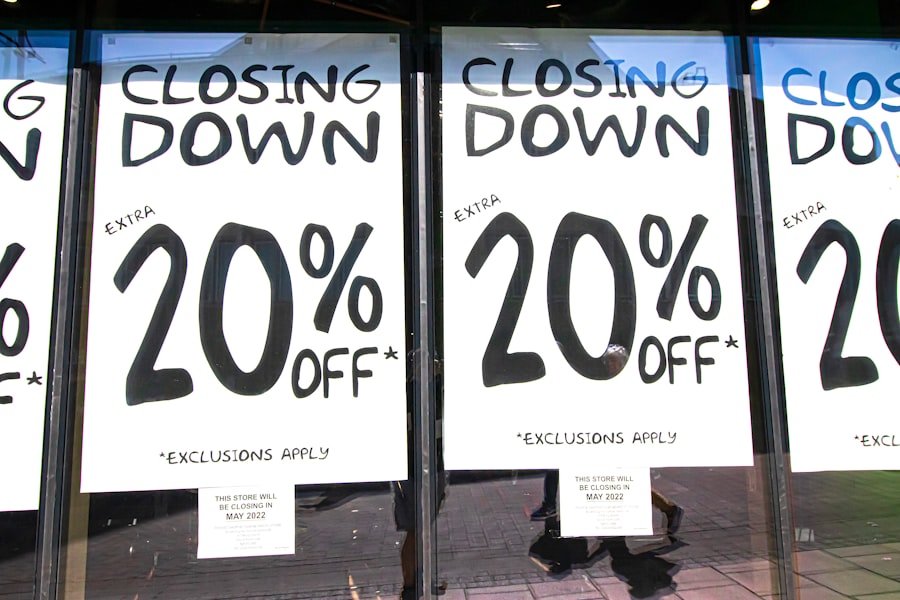
Regardless of whether we decide to discount or stand firm, the renewal conversation is an opportunity to strengthen our client relationships. It’s an art form, requiring empathy, strategic thinking, and clear communication.
Proactive Value Reviews: Preventing Renewal Shock
The best way to avoid a discount request is to proactively demonstrate value throughout the contract term. Regular value reviews, quarterly business reviews (QBRs), and consistent communication about new features or successes can build a strong foundation.
Data-Driven Insights: Quantifying Our Impact
Don’t just talk about value; show it. Present data on how your product or service has saved them money, increased efficiency, or driven their business objectives. Use concrete examples and metrics to prove your worth.
Highlighting New Features and Enhancements: Evolving with Their Needs
Regularly communicate new features, updates, or enhancements that have been rolled out since their last renewal. This demonstrates ongoing investment in the product and that their subscription is providing them with an evolving solution.
Alternative Concessions: Beyond the Price Tag
If a discount isn’t appropriate, we can often find other ways to meet the client’s needs and ensure a smooth renewal. We need to be creative and flexible.
Phased Implementations or Payment Plans: Easing the Financial Burden
Perhaps the client isn’t looking for a permanent price reduction but rather a way to manage their cash flow. Offering a stretched payment plan or a phased implementation of a new module can achieve this without impacting our overall price.
Training or Consultative Services: Value-Added Extras
Instead of a monetary discount, offer additional training sessions, dedicated support hours, or a consultative session with a product expert. These value-added services can often be more impactful for client success than a simple price cut.
Extended Contract Terms: Win-Win Commitments
As mentioned earlier, extending the contract term can be a powerful concession. The client gets price stability, and we get predictable revenue and reduced churn risk.
Empowering Your Sales Team: The Right Tools and Training
Our sales and account management teams are on the front lines of these renewal discussions. They need to be equipped with the knowledge, confidence, and tools to navigate complex negotiations effectively.
Comprehensive Training on Discounting Policies: Clarity is Key
Ensure that every team member understands our company’s discounting policies, the justification matrix, and the escalation process for exceptions. This consistency builds trust internally and externally.
Role-Playing and Scenario Planning: Building Confidence
Regular training sessions that involve role-playing different renewal scenarios can significantly boost team confidence and help them anticipate potential objections and craft compelling responses.
Access to Value Realization Tools: Proving Our Worth
Provide sales and account management teams with tools and resources to easily quantify and articulate the value our product or service delivers. This empowers them to shift the conversation from price to impact.
In conclusion, the guardrails of discounting for renewals are not rigid fences but rather guiding principles. We must approach each renewal opportunity with a strategic mindset, balancing the immediate need for retention with the long-term health of our business. By understanding when to offer a concession and when to stand firm, and by mastering the art of value articulation, we can not only secure renewals but also cultivate stronger, more profitable, and genuinely valued partnerships. It’s about building lasting relationships, not just securing transactions.
FAQs
What are the guardrails of discounting when it comes to renewals?
The guardrails of discounting when it comes to renewals refer to the guidelines and boundaries that help determine when it is appropriate to offer a discount and when it is best to stand firm on pricing.
When is it appropriate to give a discount on renewals?
It is appropriate to give a discount on renewals when there is a valid reason, such as a long-standing customer relationship, a competitive market, or a specific financial hardship for the customer.
When should a business stand firm on pricing during renewals?
A business should stand firm on pricing during renewals when the value of the product or service justifies the price, when the customer is not facing financial hardship, or when discounting would devalue the product or service.
What are the potential risks of offering discounts on renewals?
The potential risks of offering discounts on renewals include devaluing the product or service, setting a precedent for future discounts, and potentially impacting the overall profitability of the business.
How can businesses strike a balance between offering discounts and standing firm on pricing during renewals?
Businesses can strike a balance between offering discounts and standing firm on pricing during renewals by carefully evaluating each renewal situation, considering the long-term impact of discounts, and communicating the value of the product or service to the customer.