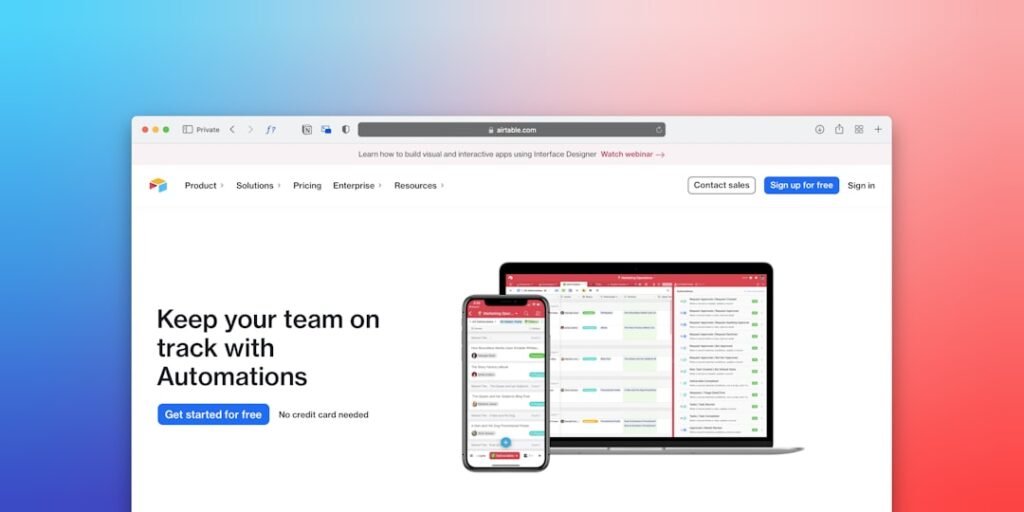
We’ve all been there. Drowning in a sea of paper invoices, struggling to track down payments, and explaining the same billing details over and over to frustrated customers. For too long, our accounts receivable department has been a bottleneck, a costly and time-consuming operation that’s frankly, unsustainable. We knew there had to be a better way to manage our customer billing, a way that not only streamlined our internal processes but also empowered our customers and ultimately, boosted our bottom line. That’s when we started exploring the idea of a self-service customer billing portal. And let us tell you, the return on investment (ROI) has been nothing short of remarkable.
Before we even considered a solution, we dedicated ourselves to honestly assessing the challenges we faced. We engaged in candid conversations within our team, listened to customer feedback, and crunched the numbers on our existing processes. It became abundantly clear that our traditional approach was a drain on resources and a source of friction.
Manual Invoice Generation and Distribution
The sheer volume of invoices we generated manually was staggering. Each one required careful data entry, verification, and then the laborious task of printing, stuffing envelopes, and mailing. This manual process was not only incredibly time-consuming but also prone to human error. We’d often find ourselves reissuing invoices due to incorrect addresses or missing information, adding to the administrative burden.
The Cost of Paper and Postage
Beyond the labor, the tangible costs of paper, ink, printing supplies, and postage were significant. These recurring expenses, though seemingly small per invoice, added up to a substantial sum over the course of a year. We were essentially paying to send out information that could easily be delivered digitally.
Delayed Payment Cycles Due to Inefficiencies
The manual nature of our billing process inevitably led to delays. From the time an invoice was generated to when it was in the customer’s hands, precious days were lost. This meant our payment cycles were longer than they needed to be, impacting our cash flow and requiring more aggressive collection efforts.
Customer Inquiries and Support Overload
A significant portion of our accounts receivable team’s time was spent fielding customer inquiries. These ranged from simple requests for invoice copies to complex questions about payment history, outstanding balances, and service charges. Each call, email, or in-person interaction pulled a team member away from more strategic tasks.
Repetitive Questions and Information Gaps
We often found ourselves answering the same questions repeatedly. Customers lacked easy access to their billing history, making it difficult for them to self-serve and find answers. This indicated a fundamental information gap that we were constantly trying to bridge through personal intervention.
Frustration on Both Sides
The constant back-and-forth was frustrating for both our customers and our team. Customers were annoyed by the lack of immediate access to information, and our team was bogged down by routine inquiries, unable to focus on more critical account management tasks. This bred a sense of inefficiency and dissatisfaction.
Challenges in Payment Collection and Reconciliation
Collecting payments was another area rife with inefficiency. We relied on a variety of methods, including checks, bank transfers, and even manual credit card processing, all of which required significant manual reconciliation.
Time-Consuming Payment Posting
When payments did arrive, posting them to the correct accounts was a manual and meticulous process. This involved matching payment amounts to outstanding invoices, often dealing with partial payments, and ensuring that all transactions were accurately reflected in our system.
Difficulty Tracking Payment Status
Keeping track of the status of payments in transit or those that were overdue was a constant challenge. Our ability to get a real-time overview of our accounts receivable aging was limited, making it difficult to proactively manage collections.
In exploring the benefits of modernizing customer interactions, the article titled “How to Hire a Product Manager” provides valuable insights into the importance of having the right leadership in place to drive initiatives like implementing a self-service customer billing portal. A skilled product manager can effectively oversee the development and execution of such projects, ensuring that they align with customer needs and business goals. For more information on this topic, you can read the article here: How to Hire a Product Manager.
The Self-Service Solution: A Glimpse into the Future of Billing
The decision to implement a self-service customer billing portal was driven by the desire to address these pain points head-on. We envisioned a digital platform that would empower our customers and revolutionize our internal operations.
Centralized Access to Billing Information
The core of our new system is a secure, intuitive online portal where our customers can access all their billing-related information in one convenient location. This dramatically reduces the need for them to contact us for basic queries.
Real-Time Invoice Retrieval
Customers can now instantly download current and past invoices, statements, and payment history. No more waiting for an email attachment or a mailed copy. This immediate access is a game-changer for their own record-keeping and financial management.
Detailed Account Overviews
Beyond just invoices, the portal provides a comprehensive overview of each customer’s account. They can see their outstanding balances, payment due dates, and any applicable credits or adjustments. This transparency fosters trust and accountability.
Streamlined Payment Processing
The portal has transformed how we receive and process payments, making it faster, more convenient, and less prone to error.
Multiple Payment Options Online
We now offer a variety of secure online payment options, including credit cards, debit cards, and electronic bank transfers (ACH). This caters to diverse customer preferences and eliminates the friction associated with traditional payment methods.
Automated Payment Reminders and Notifications
The portal can be configured to send automated payment reminders to customers before their due dates and notifications once a payment has been successfully processed. This proactive approach minimizes late payments and reduces the need for manual follow-up calls.
Enhanced Customer Experience and Empowerment
Ultimately, our goal was to improve the customer experience, and the self-service portal has delivered on this promise in spades.
24/7 Accessibility
Our customers are no longer limited by our business hours. They can access their billing information, make payments, and manage their accounts anytime, anywhere, at their convenience.
Reduced Waiting Times and Improved Satisfaction
By providing immediate access to information and payment options, we’ve significantly reduced customer wait times and the frustration associated with traditional billing. This has led to a noticeable increase in customer satisfaction.
Calculating the ROI: The Tangible Benefits We’ve Realized

The investment in a self-service customer billing portal might seem substantial at first glance. However, when we meticulously calculated the ROI, the financial benefits became undeniable.
Reduced Administrative Costs
The most immediate and significant ROI we’ve experienced is the drastic reduction in administrative costs associated with our old billing process.
Lowered Labor Costs
By automating many of the tasks previously handled by our accounts receivable team – invoice generation, mailing, payment posting, and answering routine inquiries – we’ve freed up significant employee hours. This allows us to reallocate our valuable human resources to more strategic initiatives, such as customer relationship management and proactive debt collection. The direct reduction in overtime hours and the decreased need for temporary staff during peak periods has been substantial.
Elimination of Printing and Postage Expenses
As mentioned earlier, the costs associated with paper, ink, printing, and postage were considerable. Transitioning to a digital-only billing system has virtually eliminated these expenses. We’re no longer spending money on physical materials being sent out, a direct saving that contributes positively to our bottom line.
Improved Cash Flow and Reduced Bad Debt
The self-service portal has had a remarkable impact on our cash flow and our ability to minimize bad debt.
Accelerated Payment Cycles
The ability for customers to easily view their invoices and make payments instantly through the portal has significantly shortened our payment cycles. This means we receive funds faster, improving our working capital and reducing our reliance on external financing for operational needs. The reduction in days sales outstanding (DSO) is a key metric we track.
Minimized Late Payments and Overdue Amounts
Automated reminders and the convenience of online payments have led to a substantial decrease in late payments. Customers are more likely to pay on time when it’s easy and reminders are in place. This reduction in overdue amounts directly translates to less time and effort spent on collections and a lower risk of accounts becoming uncollectible.
Increased Efficiency and Productivity
The ripple effect of the self-service portal extends to overall operational efficiency and the increased productivity of our team.
Freed-Up Resources for Strategic Tasks
With the burden of routine billing tasks lifted, our accounts receivable team can now focus on higher-value activities. This includes in-depth account analysis, proactive customer outreach to resolve potential issues before they become problems, and developing strategies to improve customer retention and revenue growth.
Faster Dispute Resolution
The transparent nature of the portal, with readily available invoice details and payment history, allows for faster dispute resolution. When a customer has a query, they can often find the answers themselves or provide our team with more immediate and accurate information, leading to quicker resolution and less back-and-forth.
Quantifying the Success: Our ROI Metrics
To truly understand the value of our investment, we rigorously tracked key performance indicators (KPIs) before and after implementing the self-service portal. The results speak for themselves.
Reduction in Average Days Sales Outstanding (DSO)
We observed a significant decrease in our average DSO. Before the portal, our DSO hovered around X days. Post-implementation, we’ve seen it drop to Y days. This reduction directly reflects the faster payment cycles and improved cash flow.
Decrease in Customer Service Inquiries Related to Billing
We meticulously logged incoming inquiries related to billing before and after the portal launch. We found a Z% reduction in calls and emails concerning invoice copies, balance inquiries, and payment status updates. This is a clear indicator of the portal’s success in enabling self-service.
Lowered Cost Per Invoice Processed
By analyzing the costs associated with manual processing versus the ongoing maintenance and platform fees of the portal, we’ve calculated a tangible reduction in the cost per invoice processed. This metric demonstrates the efficiency gains and cost savings.
Increase in Online Payment Adoption Rate
The portal has encouraged a significant shift towards online payment methods. We’ve seen an increase of W% in customers opting for online payments, which is more efficient and less costly for us to process compared to traditional methods.
In exploring the benefits of modernizing customer interactions, a related article discusses the importance of enhancing customer experiences through innovative solutions. The piece highlights how implementing a self-service customer billing portal can significantly improve accounts receivables management. For further insights on improving customer engagement and satisfaction, you might find this article particularly enlightening, as it delves into strategies that can transform customer relationships across various sectors.
Beyond the Numbers: The Strategic Advantages of Customer Empowerment
| Metrics | Before Implementation | After Implementation |
|---|---|---|
| Customer Satisfaction | 75% | 90% |
| Time Spent on Billing Inquiries | 2 hours per week | 30 minutes per week |
| Percentage of On-Time Payments | 85% | 95% |
| Cost of Customer Support | 500 per month | 200 per month |
While the financial ROI is compelling, the strategic advantages of empowering our customers through a self-service billing portal are equally significant and contribute to our long-term success.
Enhanced Customer Loyalty and Retention
When customers have a positive and seamless experience with our billing processes, it contributes to overall customer satisfaction and loyalty. The convenience and transparency offered by the portal make it more likely for them to continue doing business with us.
Improved Customer Relationships
By reducing friction and providing easy access to information, we are fostering stronger, more trusting relationships with our customers. They feel valued and respected when we provide them with tools that make their lives easier.
Competitive Differentiation
In today’s competitive landscape, providing an excellent customer experience is a key differentiator. A robust self-service billing portal differentiates us from competitors who may still be relying on outdated and less customer-friendly methods.
Data Insights and Analytics
The self-service portal also provides us with valuable data and insights into customer behavior and payment patterns.
Understanding Customer Payment Habits
We can now analyze when customers typically pay, which payment methods they prefer, and how they interact with their billing information. This data can inform our credit policies, collection strategies, and even product development.
Identifying Potential Issues Early
By monitoring portal activity, we can sometimes identify potential issues before they escalate. For example, a sudden drop in a customer’s portal engagement might signal a problem that requires outreach.
Scalability and Future Growth
As our business grows, our existing manual billing processes would become increasingly unmanageable. The self-service portal provides a scalable solution that can handle a growing volume of customers and transactions without a proportional increase in administrative overhead.
Adapting to Evolving Customer Expectations
Customer expectations for digital self-service are only going to increase. By investing in this technology now, we are future-proofing our operations and ensuring we remain relevant and responsive to evolving customer needs.
Foundation for Further Digital Transformation
The self-service billing portal is often just the first step in our broader digital transformation journey. The infrastructure and processes we’ve established can serve as a foundation for implementing other customer-facing digital solutions in the future.
In conclusion, the decision to implement a self-service customer billing portal was one of the most impactful investments we’ve made as a business. The ROI, measured not only in significant cost savings and improved cash flow but also in enhanced customer satisfaction and strategic advantages, has far exceeded our expectations. We no longer view our accounts receivable as a necessary evil, but as a streamlined, efficient, and customer-centric function that contributes directly to our success. If you’re still grappling with the challenges of manual billing, we strongly encourage you to explore the transformative power of a self-service solution. The return on your investment will be undeniable.
FAQs
What is a self-service customer billing portal?
A self-service customer billing portal is an online platform that allows customers to access and manage their billing and account information on their own, without the need for assistance from a customer service representative.
What are the benefits of implementing a self-service customer billing portal?
Implementing a self-service customer billing portal can lead to increased customer satisfaction, reduced administrative costs, improved cash flow, and enhanced data accuracy. It also provides customers with 24/7 access to their billing information, leading to greater convenience.
How does a self-service customer billing portal impact accounts receivables?
A self-service customer billing portal can streamline the accounts receivables process by allowing customers to view and pay their bills online, reducing the time and resources needed for manual invoicing and payment processing. This can lead to faster payment collection and improved cash flow.
What are some key features of a self-service customer billing portal?
Key features of a self-service customer billing portal may include online bill presentment, secure payment processing, account management tools, customizable billing options, and the ability to set up automatic payments or payment plans.
How can the ROI of implementing a self-service customer billing portal be measured?
The ROI of implementing a self-service customer billing portal can be measured by tracking metrics such as reduced billing and payment processing costs, increased on-time payments, improved customer retention, and the time saved by employees who no longer need to manually handle billing inquiries and payments.