
Working with people from different backgrounds is a powerful thing. It brings new ideas and ways of thinking. But it also means different ways of talking and understanding. When your team is spread across the world, or even just across different cultures in one country, communication can get tricky. It’s like everyone has a slightly different rulebook for talking. This isn’t a bad thing, but it’s something we need to be smart about.
So, how do you make sure everyone’s on the same page when their ‘pages’ might look a bit different? It’s about being thoughtful, patient, and open. It’s not about changing anyone’s core way of being, but about finding common ground and building bridges. It’s a journey, not a quick fix, but a truly rewarding one.
First things first, we need to get a handle on what ‘different communication styles’ actually means. It’s more than just speaking another language. It’s about how people express themselves, what they consider polite, how they give feedback, and even how they listen.
High-Context vs. Low-Context Cultures
This is a big one. Imagine some cultures like a detailed instruction manual – everything is spelled out clearly. That’s low-context. Others are more like a knowing glance or a subtle hint – you’re expected to pick up on unspoken cues. That’s high-context.
- Low-Context: People from these cultures (often Western, like Germany or the U.S.) tend to be direct. They say what they mean and mean what they say. Silence can be awkward, and they value explicit instructions. If you need to tell them something, just tell them.
- High-Context: People from these cultures (often Eastern, like Japan or China, or some Latin American countries) rely more on shared experiences, non-verbal cues, and implied meanings. They might avoid direct confrontation to save face, and a ‘yes’ might not always mean ‘yes’ in the way a low-context person understands it. Silence can be a sign of respect or thoughtful consideration.
Direct vs. Indirect Communication
This ties into high and low context but is worth its own mention.
- Direct: Feedback is given plainly, often without much softening. “This report needs work” is common.
- Indirect: Feedback is often sugar-coated, delivered with hints, or communicated through a third party. “Perhaps we could explore some alternative approaches for this section” might be how direct feedback is given, even when it means “this section is terrible.” Ignoring direct feedback could be seen as rude or aggressive in some cultures.
Politeness and Hierarchy
What’s considered polite can vary wildly. In some places, challenging a senior leader directly is seen as disrespectful. In others, it’s seen as showing initiative and critical thinking. Understanding how hierarchy affects communication is crucial. Does everyone feel comfortable speaking up, regardless of their position? If not, how can you create an environment where they do?
Managing a multicultural or global team requires an understanding of diverse communication norms and practices. For insights on fostering effective communication in such environments, you might find the article on reversing heart disease particularly enlightening. It discusses the importance of empathy and understanding in various contexts, which can be applied to team dynamics as well. You can read more about it in this article.
Building Awareness and Empathy
Once you understand that these differences exist, the next step is to actually do something about it. It’s not enough to just know about them; you need to build a team that gets it and acts on it.
Open Discussions About Communication
Don’t shy away from talking about these differences. Bring it up in team meetings. Say something like, “Hey team, we’ve got people from all over, and that’s awesome. But it also means we might have different ways of talking and understanding. Let’s talk about what we find easy or hard when we communicate.”
- Share Personal Experiences: Encourage team members to share their own experiences. “In my culture, if someone says ‘that’s interesting,’ it usually means they disagree but are being polite.” This opens the door for others to explain their norms.
- Create a “Communication Playbook”: This doesn’t have to be a formal document. It could be a shared Google Doc where people add notes about their communication preferences, common phrases and their implied meanings, or tips for interacting effectively with them. It’s a living document.
Cultural Sensitivity Training (The Right Kind)
Sometimes formal training can help, but it needs to be practical and engaging, not just a lecture. The best training helps people understand why these differences exist and how to navigate them with respect, rather than just memorizing a list of dos and don’ts.
- Focus on Skills, Not Stereotypes: Training should focus on developing skills like active listening, asking clarifying questions, and observing non-verbal cues, rather than painting entire cultures with one brush.
- Interactive Workshops: Role-playing scenarios or group discussions about real-life communication challenges are far more effective than passive presentations.
Establishing Clear Communication Protocols
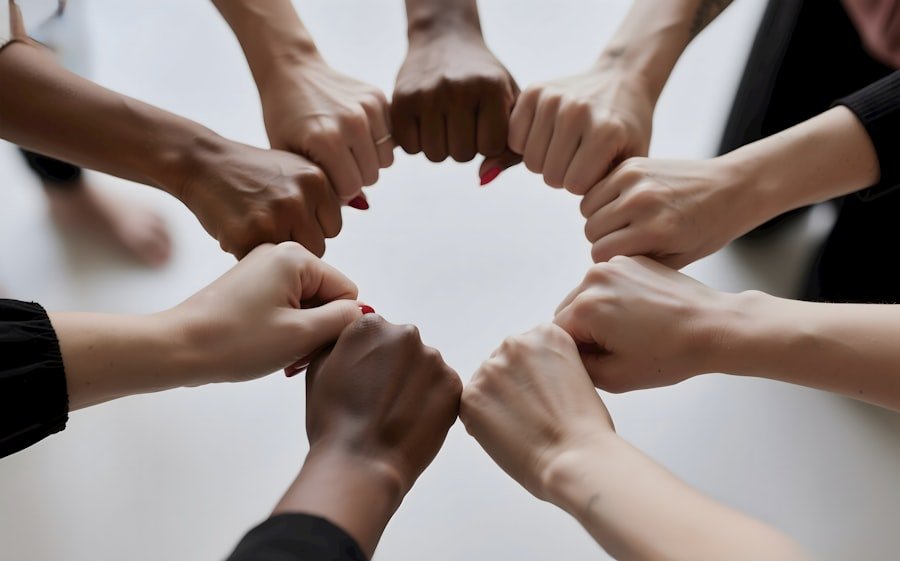
Even with awareness and empathy, things can still go wrong if there aren’t clear rules of the road. This isn’t about stifling cultural expression, but about creating a baseline for effectiveness.
Standardizing Communication Tools and Channels
Decide as a team what tools you’ll use for what purpose. Is Slack for quick questions? Email for formal updates? Video calls for brainstorming? When everyone knows where to go for what, it cuts down on confusion.
- Define Response Expectations: If someone sends an email, when should they expect a reply? Within 24 hours? 48 hours? Make it clear. This helps manage expectations, especially across time zones.
- Leverage Visual Communication: Charts, graphs, diagrams, and annotated screenshots can transcend language barriers and direct vs. indirect styles. “Show, don’t just tell” becomes even more critical.
Explicitly Stating Expectations and Context
This is where low-context communication principles can really help bridge the gap, especially when working with high-context individuals.
- Be Overt: Don’t assume anything is understood. Spell it out. If you’re giving feedback, say, “This is direct feedback, and I appreciate your work on this. My suggestion is to…”
- Provide Background: When you ask someone to do something, explain why. “We need this report by Friday because it’s going to the client, and they’re waiting on it.” This gives context and helps high-context communicators understand the bigger picture.
- Confirm Understanding: After a conversation, particularly for important decisions, ask open-ended questions like, “So, to recap, what are the next steps you’ll be taking?” or “Could you summarize what we’ve agreed upon?” rather than just “Do you understand?” which can elicit a polite ‘yes’ even if understanding isn’t complete.
Documenting Decisions and Actions
Written records are invaluable. They serve as a single source of truth, reducing reliance on memory or spoken words that might have been misinterpreted.
- Meeting Summaries: Always send out a summary after a meeting, outlining decisions made, action items, and who is responsible for what.
- Project Management Tools: Use tools that clearly track tasks, deadlines, and ownership. This transparency helps everyone, regardless of their communication style.
Fostering Inclusive Meeting Practices

Meetings are often where communication norms collide most vividly. How people participate, interrupt, or stay silent can be very culturally driven.
Setting Clear Agendas and Objectives
This helps everyone prepare and understand the meeting’s purpose. It also gives quieter team members a chance to formulate their thoughts before the meeting.
- Share in Advance: Send the agenda and any pre-reading materials well before the meeting. This is especially helpful for non-native English speakers who might need more time to process information.
- State Objectives Clearly: Start each meeting by stating what you hope to achieve. “By the end of this meeting, we aim to decide on X and assign Y.”
Facilitating Equal Participation
Some cultures encourage speaking up, even interrupting, to show engagement. Others expect people to wait their turn or speak only when directly addressed. As a manager, it’s your job to balance these.
- “Round Robin” or Directed Questions: Sometimes, explicitly going around the table (virtual or physical) and asking each person for their input can ensure everyone has a voice, especially those who might not jump in voluntarily. “Sarah, what are your thoughts on this?”
- Use Chat Features: For virtual meetings, encourage people to use the chat for questions or comments. This allows people to contribute without interrupting the main speaker, and it gives the facilitator a chance to address questions in a structured way.
- Time for Q&A: Allocate dedicated time for questions. For cultures where direct questioning might be seen as challenging, framing it as “an opportunity for clarity” can help.
Managing Time Zones and Asynchronous Communication
When your team is global, synchronous meetings (everyone at the same time) are often impossible or unfair.
- Rotate Meeting Times: If you must have live meetings, rotate the times so the burden of inconvenient hours doesn’t always fall on the same people.
- Asynchronous Workflows: Embrace tools and processes that allow people to contribute at their own pace. This could be detailed project updates, shared documents for comments, or recorded video messages.
- Record Meetings: If a meeting has to happen at an awkward time for some, record it and make sure it’s easily accessible with clear notes.
Managing a multicultural or global team can be challenging, especially when team members come from diverse backgrounds with varying communication norms. It is essential to foster an inclusive environment where everyone feels comfortable expressing their ideas. One effective strategy is to establish clear communication guidelines that respect cultural differences. For further insights on adapting communication styles in different contexts, you may find it helpful to explore this article on how virtual learning can be tailored to meet diverse needs. Understanding these dynamics can enhance collaboration and productivity within your team. You can read more about it here.
Leading by Example and Continuous Learning
| Challenges | Strategies |
|---|---|
| Different communication norms | Provide cultural sensitivity training, establish clear communication guidelines |
| Language barriers | Encourage language learning, use translation tools, provide multilingual resources |
| Time zone differences | Flexible work hours, schedule regular overlapping meetings, use time zone converters |
| Cultural misunderstandings | Promote open dialogue, encourage empathy and understanding, address conflicts promptly |
Ultimately, how you, as the manager, behave sets the tone for the entire team. Your willingness to learn and adapt is contagious.
Be Patient and Forgiving
Mistakes will happen. Misunderstandings will occur. Don’t assume malice. Assume good intent and an accidental cultural misstep. Address issues kindly and constructively.
- Embrace Feedback (Even When Uncomfortable): Actively solicit feedback on your own communication style. Ask team members, “Was that clear? Did my instructions make sense to you?” Be genuinely open to hearing that you could do things differently.
- Model Curiousity: Show your team that you’re always learning. “I’m still figuring out the best way to communicate across cultures, so please let me know if there’s something I could do better.”
Prioritize One-on-One Check-ins
Individual conversations are often the best place to uncover communication challenges that might not surface in a group setting.
- Build Trust: These private moments help build trust, which is essential for open communication, especially in cultures where people might be hesitant to speak up in a group.
- Ask Direct Questions (Respectfully): “Do you feel comfortable sharing your ideas in team meetings?” “Is there anything about our team’s communication that you find challenging?” Frame it as you wanting to improve.
Celebrate Diversity and Learning
Turn these communication differences into a strength. When the team successfully navigates a cross-cultural communication challenge, acknowledge it.
- Highlight Success Stories: Share examples of when diverse communication styles led to a better outcome or a unique solution.
- Continuous Improvement Mindset: View managing diverse communication as an ongoing process of learning and adapting, rather than a problem to be solved once. The world changes, and so do people. Your approach should, too.
Managing a multicultural team’s communication isn’t about making everyone talk the same way. It’s about helping everyone understand each other better, respect their differences, and work together effectively despite them. It takes effort, but the rewards—in creativity, innovation, and a richer work environment—are immense.
FAQs
What are some challenges of managing a multicultural or global team with varying communication norms?
Some challenges of managing a multicultural or global team with varying communication norms include language barriers, different communication styles, misunderstandings, and cultural differences in non-verbal communication.
How can a manager effectively communicate with a multicultural or global team?
A manager can effectively communicate with a multicultural or global team by being aware of cultural differences, using clear and simple language, actively listening, and being open to feedback. It’s also important to use multiple communication channels and provide opportunities for team members to ask questions and seek clarification.
What strategies can be used to bridge communication gaps in a multicultural or global team?
Strategies to bridge communication gaps in a multicultural or global team include providing cultural sensitivity training, using interpreters if necessary, encouraging open dialogue, and establishing common communication norms and practices. It’s also helpful to create a supportive and inclusive team environment.
How can a manager promote understanding and respect among team members with different communication norms?
A manager can promote understanding and respect among team members with different communication norms by fostering a culture of empathy and inclusivity, encouraging team members to share their communication preferences and practices, and addressing any conflicts or misunderstandings promptly and constructively.
What are some best practices for managing a multicultural or global team with varying communication norms?
Some best practices for managing a multicultural or global team with varying communication norms include promoting cultural awareness and sensitivity, providing regular opportunities for team members to connect and build relationships, and adapting communication strategies to accommodate different styles and preferences. It’s also important to seek feedback from team members and continuously improve communication processes.