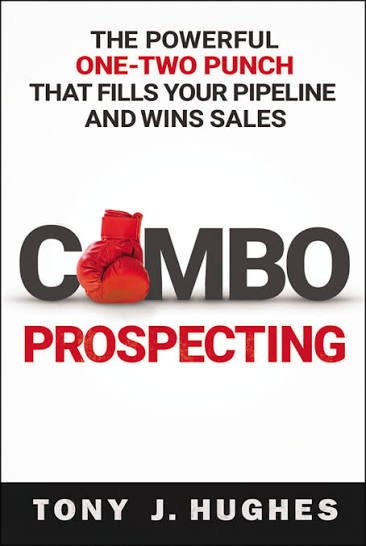
Tony J. Hughes’ “Combo Prospecting” offers a pragmatic, modern approach to B2B sales development, advocating for a multi-channel, value-driven strategy that transcends traditional cold outreach. The book’s core thesis is that successful prospecting in today’s crowded market demands a strategic combination of digital and traditional tactics, meticulously tailored to the buyer’s journey, to generate high-quality leads and accelerate revenue. It’s a blueprint for sales professionals to become trusted advisors rather than mere vendors, driving consistent, predictable pipeline growth.
In addition to the insights provided in Tony J. Hughes’ “Combo Prospecting,” readers may find value in exploring related strategies for enhancing reading efficiency and comprehension. A great resource for this is the article on “The Speed Reading Book,” which delves into techniques that can help professionals absorb information more quickly and effectively. This can be particularly beneficial for those looking to implement the prospecting techniques discussed by Hughes. For more information, you can check out the article here: The Speed Reading Book – Book Review.Key Insights
- The Synergistic Power of Multi-Channel Engagement: Hughes meticulously dissects how combining channels like LinkedIn, email, phone, and even personalized video messages creates a “combo” effect far greater than the sum of its parts. For CX leaders, this insight is critical. Understanding that your sales team is the first experience a potential customer has, and that this experience is shaped by multiple touchpoints, underscores the need for consistency and value across all channels. Fragmented, single-channel outreach leads to disjointed customer journeys, impacting conversion and initial perception. For revenue growth, this means a higher likelihood of connecting with decision-makers, as varied touchpoints increase the probability of capturing attention on their preferred channel at an opportune moment.
- Value-Driven Personalization Over Volume: The book strongly pivots away from high-volume, generic outreach towards highly personalized, insight-led communication. Each touchpoint, regardless of channel, must deliver tangible value, address a specific pain point, or offer a relevant insight. From a customer retention perspective, this sets a precedent. If the initial sales interaction is centered on understanding and addressing customer needs, it builds a foundational relationship of trust and relevance. This proactive, problem-solving mindset, established during prospecting, naturally extends into post-sale customer success, reducing churn by ensuring solutions align with evolving customer requirements.
- Strategic Social Selling and Digital Footprint Optimization: Hughes emphasizes leveraging platforms like LinkedIn not just for connection, but for genuine engagement, thought leadership, and research. Your digital footprint is your new business card and reputation. For operational efficiency, this means sales teams spend less time on unqualified leads and more time engaging with prospects who have already demonstrated interest or align with ideal customer profiles. By effectively utilizing social listening and content sharing, sales professionals can pre-qualify leads and tailor their approach, reducing wasted effort and improving conversion rates. This digital-first approach also provides valuable data points for refining prospecting strategies.
- The Importance of a Well-Defined Sales Process and Cadence: “Combo Prospecting” isn’t just about what to say, but when and how often to say it, across a structured sequence of touches. Hughes provides frameworks for developing robust sales cadences. For CX leaders, this process-driven approach ensures a consistent and professional initial customer experience. A well-defined cadence prevents prospects from feeling hounded or ignored, instead guiding them through a thoughtful, logical progression. From a revenue growth standpoint, a predictable sales process with clear stages and defined actions leads to more reliable pipeline forecasting and higher conversion rates, as prospects are systematically nurtured towards a buying decision.
Practical Application
- Audit and Revamp Your Sales Cadences for Multi-Channel Synergy: Immediately conduct an audit of your current sales prospecting cadences. Identify where single-channel approaches dominate and strategize how to integrate complementary channels (e.g., follow an email with a personalized LinkedIn message referencing a shared connection or insight, or a short video message after a phone call). Focus on sequencing touchpoints to build value and progressively reveal more about your solution. Example: A sales team could implement a “7-touch combo” sequence: Day 1: Personalized LinkedIn connection request. Day 2: Value-driven email with a relevant article. Day 4: Short, personalized video introducing a key benefit. Day 7: Follow-up email offering a brief consultation to explore specific challenges.
- Mandate “Insight-First” Prospecting & Provide Resources: Shift your sales team’s mindset from “pitching features” to “delivering insights.” Equip them with tools and training to research prospects thoroughly (company news, LinkedIn activity, industry trends) and craft messages that demonstrate genuine understanding of the prospect’s challenges. Create a shared repository of industry insights, case studies, and compelling questions that can be tailored for various personas. Example: Before any outreach, require reps to identify at least one public company challenge or recent success and tailor their opening message to comment on it, offering a relevant observation or question rather than immediately introducing their product.
Final Verdict

Who must read this: Sales development representatives, account executives, sales managers, and revenue operations leaders in B2B organizations. Anyone struggling with lead generation, declining response rates, or a stagnant pipeline will find immediate, actionable strategies. CX leaders looking to understand how the initial customer journey impacts long-term relationships and operations leaders aiming to optimize sales efficiency should also consider this a valuable read.
Who can skip this: Those in highly transactional B2C sales or organizations content with traditional, high-volume cold calling. The principles are broadly applicable, but the specifics are tailored for complex B2B sales cycles.
Rating: 9/10 – “Combo Prospecting” is a comprehensive, no-nonsense guide that delivers on its promise. It’s a pragmatic roadmap for modern sales success, blending strategic thinking with tactical execution.
In the realm of sales and personal development, Tony J. Hughes’ “Combo Prospecting” offers invaluable insights into effective prospecting strategies. For those interested in enhancing their skills further, a related article on the “StrengthsFinder 2.0” provides a comprehensive review that can help individuals identify their unique strengths and leverage them in their professional lives. You can read more about it in this insightful piece here. By combining the techniques from Hughes’ book with the self-awareness gained from the StrengthsFinder assessment, sales professionals can significantly improve their approach to prospecting and client engagement.Mastering the Modern Prospecting Landscape
| Aspect | Metrics |
|---|---|
| Book Title | Combo Prospecting – Tony J. Hughes |
| Author | Tony J. Hughes |
| Genre | Business, Sales |
| Pages | 256 |
| Published Year | 2018 |
In the rapidly evolving world of B2B sales, the days of relying solely on cold calls or generic email blasts are long gone. Prospects are savvier, more informed, and bombarded with messages from every angle. Tony J. Hughes, a seasoned sales leader and strategist, understands this landscape intimately, and in “Combo Prospecting,” he offers a powerful antidote to sales fatigue and dwindling pipelines. This book isn’t just another sales methodology; it’s a strategic imperative for any organization looking to thrive in a customer-centric era.
The Death of Single-Channel Dominance
Hughes’s central premise hinges on the understanding that no single prospecting channel, no matter how effective it once was, can deliver consistent results on its own anymore. The sheer volume of information and outreach has desensitized buyers, making it incredibly difficult to cut through the noise. This is where the concept of “combo prospecting” shines.
Why Multi-Channel is Non-Negotiable
Hughes argues that a multi-channel approach isn’t merely about hitting a prospect from various angles; it’s about increasing the likelihood of connecting with them on their preferred channel, at a time when they are most receptive. Imagine a prospect who rarely checks email but is highly active on LinkedIn, or another who screens all calls but responds to personalized video messages. By strategically orchestrating touchpoints across email, phone, social media, and even direct mail, sales professionals create a more pervasive, yet less intrusive, presence. This strategy is fundamentally about understanding buyer behavior and adapting to it, rather than forcing buyers to adapt to your preferred method of communication.
Building Consistent CX from the First Touch
For CX leaders, this multi-channel imperative is a call to action. The customer experience doesn’t begin at onboarding; it begins the moment a prospect encounters your brand, often through a sales outreach. If your sales team is operating in silos, using disparate messaging across channels, or failing to track interactions comprehensively, the initial customer journey will be fragmented and potentially off-putting. “Combo Prospecting” implicitly demands a more integrated approach, where sales efforts are seen as the foundational layer of the overall customer experience. This consistency in messaging, value proposition, and professional conduct across all touchpoints sets the stage for a positive long-term relationship.
The Power of Insight and Personalization
One of the most refreshing aspects of “Combo Prospecting” is its unwavering focus on value and insight. Hughes vehemently rejects the notion of spray-and-pray sales tactics. Instead, he champions a highly researched, deeply personalized approach that positions the salesperson as a valuable resource rather than a persistent pest.
Research as the New Cold Call
Hughes dedicates significant attention to the art of pre-call and pre-outreach research. He encourages sales professionals to delve deep into a prospect’s company (recent news, financial reports, industry trends), their role (LinkedIn profile, publications, thought leadership), and their potential challenges. This meticulous preparation allows for messages that resonate because they demonstrate a genuine understanding of the prospect’s world. A sales email that starts with a comment on a recent company acquisition or an observation about a specific industry challenge is far more likely to capture attention than a generic “hope you’re well” opening.
Tailoring Value Propositions to Specific Pains
The book emphasizes that personalization goes beyond just using a prospect’s name. It means tailoring your value proposition to directly address a known or inferred pain point of the prospect. This requires salespeople to not only understand their own product but also the specific business context of their target accounts. By offering insights or potential solutions to these challenges before asking for anything, salespeople build credibility and trust, transforming a transactional interaction into a consultative one. This shift is paramount for customer retention, as it cultivates a customer base that perceives your organization as a partner in solving their problems from day one.
Leveraging Digital Footprints and Social Selling
In today’s digital age, a salesperson’s online presence is an extension of their professional brand. Hughes provides actionable guidance on how to leverage platforms like LinkedIn for more than just connecting; he sees them as powerful tools for research, engagement, and establishing thought leadership.
LinkedIn as a Strategic Prospecting Hub
Hughes details how to optimize LinkedIn profiles, engage with relevant content, publish insights, and conduct targeted research. He advocates for using LinkedIn’s advanced search features to identify ideal customer profiles and then observing their activity to glean insights into their interests and pain points. This proactive engagement, commenting thoughtfully on posts or sharing relevant articles, builds a subtle, non-intrusive relationship before any direct outreach even occurs. This is a crucial element for operational efficiency, as it allows sales teams to build rapport and qualify leads more effectively, reducing the time spent on dead-end conversations.
The Interplay of Digital and Traditional
Crucially, Hughes doesn’t suggest replacing traditional methods with digital ones, but rather integrating them seamlessly. A well-crafted LinkedIn message might lead to an email exchange, which then leads to a phone call. The digital footprint serves as a warm-up act, providing context and building familiarity before more direct communication channels are employed. This orchestration of channels is what makes “Combo Prospecting” so effective – it’s about intelligent layering, not just parallel activity. For revenue growth, this strategic integration shortens sales cycles by accelerating trust-building and lead qualification.
The Art and Science of the Sales Cadence
Effective prospecting isn’t haphazard; it’s a meticulously planned sequence of actions. “Combo Prospecting” provides detailed frameworks for developing robust sales cadences, outlining the optimal timing, frequency, and channel for each touchpoint.
Designing Intentional Sequences
Hughes guides readers through the process of designing multi-touch cadences that are both persistent and respectful. He emphasizes the importance of varying messaging, offering different types of value at each stage, and knowing when to pivot or disengage. A well-designed cadence acknowledges that not every touch will result in a meeting, but every touch should aim to educate, inform, or provide value. This scientific approach to outreach, grounded in data and iteration, elevates prospecting from an art to a repeatable, scalable process.
CX Through Predictable Engagement
For CX leaders, a structured sales cadence ensures that prospects experience a consistent, professional, and well-paced engagement. It prevents the all-too-common scenario where a prospect receives multiple identical emails or feels forgotten after an initial touch. By mapping out the customer journey through the prospecting phase, organizations can ensure that the initial interactions are not only effective in terms of sales outcomes but also build a positive perception of the brand. This predictability in engagement contributes to a stronger perception of reliability and customer-centricity, laying fertile ground for customer retention long before the deal is closed.
Conclusion
“Combo Prospecting” is more than just a sales playbook; it’s a strategic guide for navigating the complexities of modern B2B customer acquisition. Tony J. Hughes distills years of sales leadership experience into a pragmatic, actionable framework that empowers sales professionals to become trusted advisors rather than mere product pushers. By embracing multi-channel synergy, prioritizing value-driven personalization, leveraging digital platforms strategically, and implementing disciplined cadences, organizations can not only fill their pipelines but also cultivate a superior initial customer experience that fosters long-term relationships and drives sustainable revenue growth. This book is an essential read for anyone committed to excellence in sales and customer engagement in today’s competitive landscape.