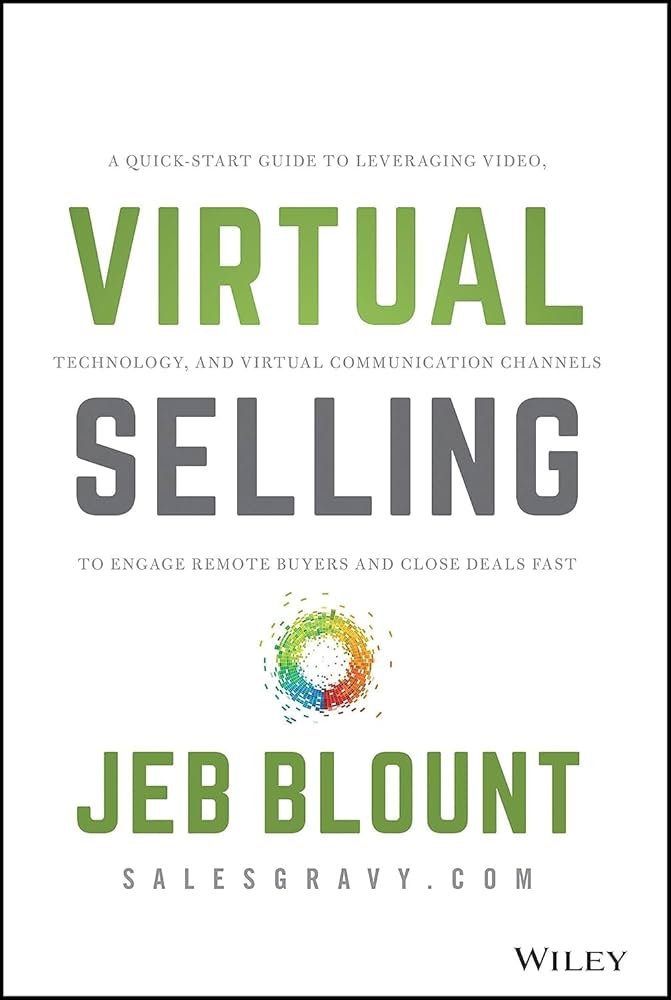
Jeb Blount’s Virtual Selling is a timely and critical manual for navigating the seismic shift to remote sales. It dispels the myth that virtual selling is merely an adaptation of in-person techniques, instead presenting a comprehensive framework for mastering digital communication, engagement, and conversion to drive substantial revenue growth in a distributed world.
In addition to the insights provided in Jeb Blount’s “Virtual Selling,” readers may find value in exploring the article on reversing heart disease, which discusses the importance of health and wellness in achieving overall success. Understanding the connection between personal well-being and professional performance can enhance the effectiveness of virtual selling techniques. For more information, you can read the article here: Reversing Heart Disease – Book Review.
Key Insights
1. The Primacy of “Digital First” CX in Sales
Blount meticulously unpacks the psychological and tactical differences between in-person and virtual interactions. The core insight here is that CX is fundamentally redefined in a virtual environment. Sales professionals are now the primary digital interface for many customers, and their ability to create an engaging, low-friction, and personalized virtual experience directly impacts customer acquisition and retention. Poor virtual sales CX translates directly to lost opportunities and brand erosion. This necessitates a proactive approach to optimizing every digital touchpoint – from initial outreach to closing – for clarity, impact, and emotional connection.
- CX Reimagined: Traditional CX focused on in-store experience or post-purchase support. Virtual selling pushes CX into the very first interactions. The quality of a virtual meeting, the responsiveness to digital inquiries, and the professionalism of remote presentations are now core CX metrics.
- Customer Journey Mapping for Virtual: Leaders must remap their customer journeys, specifically identifying all virtual sales touchpoints and optimizing them for digital engagement. This includes crafting compelling video messages, structuring virtual presentations for maximum impact, and using chat functions strategically.
- Leveraging Technology for Personalized CX: Blount champions using CRM, video conferencing platforms, and digital collaboration tools not just as operational necessities, but as instruments for hyper-personalization. For instance, pre-meeting research amplified by CRM data allows for tailoring the virtual interaction to individual needs, making the customer feel understood and valued, even through a screen.
2. Mastering the Art of Virtual Communication and Engagement
Blount emphasizes that virtual communication is an entirely different beast than in-person interaction. The nuances of body language, tone, and active listening are amplified and distorted by the screen. He provides actionable strategies for overcoming “screen fatigue” and maintaining high levels of customer engagement, directly contributing to improved conversion rates and ultimately, revenue growth. This isn’t just about technique; it’s about a fundamental mindset shift towards proactively earning and maintaining attention in a distracted digital world.
- The “Hollywood” Production: Virtual meetings need to be choreographed. This means optimizing lighting, sound, background, and camera angle to project professionalism and confidence. Poor technical setup instantly diminishes credibility and negatively impacts CX.
- Proactive Engagement Techniques: Blount advocates for using polls, chat functions, screen sharing, and interactive whiteboards to break monotony and encourage participation. This shifts the dynamic from a passive lecture to an active dialogue, crucial for keeping prospects invested and improving their perception of the sales interaction.
- The Power of the Opening and Closing: In a virtual world, attention spans are shorter. Blount stresses the importance of impactful openings to hook the prospect and clear, concise closings to articulate next steps and drive commitment. This directly impacts operational efficiency by reducing follow-up cycles and clarifying expectations.
3. Adapting Sales Process and Operational Efficiency for Remote Teams
The book isn’t just for individual sellers; it offers a blueprint for sales leaders to restructure their processes and support systems to thrive in a virtual environment. This directly impacts operational efficiency by streamlining workflows, enhancing team collaboration, and providing the necessary tools and training for sustained success. The focus is on creating a scalable, repeatable virtual sales engine.
- Virtual Pipeline Management: Blount details how to adapt traditional sales pipeline stages to a virtual context, emphasizing the need for robust digital tracking and communication to prevent deals from stalling. This is crucial for maintaining forecast accuracy and operational visibility.
- Training for the New Frontier: Sales leaders must invest in specific virtual selling training, not just general sales training. This includes coaching on video presence, virtual presentation skills, and leveraging digital tools effectively. This directly translates to improved sales team performance and reduced ramp-up time for new hires.
- Leveraging Technology for Team Collaboration: The book advocates for using collaborative tools (e.g., Slack, Microsoft Teams, shared documents) to maintain team cohesion, facilitate deal strategy discussions, and ensure consistent messaging, even when geographically dispersed. This enhances overall operational efficiency by reducing communication silos.
4. The Critical Role of Empathy and Human Connection in a Digital World
Despite the emphasis on technology and technique, Blount consistently brings it back to the human element. He argues that empathy and genuine connection are even more crucial in virtual selling to overcome the inherent distance of the screen. This directly impacts customer retention by building trust and long-term relationships, which are the bedrock of sustainable revenue.
- Active Listening Redefined: In a virtual setting, active listening requires heightened focus to pick up on subtle cues (e.g., tone of voice, slight facial expressions). Blount emphasizes pausing, summarizing, and asking open-ended questions to demonstrate understanding and build rapport.
- Personalization Beyond Data: While data informs, empathy drives action. Understanding the prospect’s personal and professional challenges, and tailoring solutions that address those pains, is paramount. This moves beyond feature/benefit selling to true value creation, fostering stronger customer relationships.
- Authenticity Over Perfection: Blount encourages authenticity. While professionalism is key, allowing glimpses of one’s personality and creating a comfortable, human interaction helps break down virtual barriers and build trust, which is a cornerstone of customer loyalty.
Practical Application

- Immediate CX Audit for Sales Touchpoints: Mandate your sales leadership to conduct a comprehensive audit of every virtual sales touchpoint (initial email, video meeting invite, presentation deck, follow-up messages). Rate each on clarity, engagement potential, and overall customer experience. Implement a “Virtual CX Playbook” with best practices for lighting, sound, background, interactive elements, and communication cadence. This ensures a consistent, high-quality digital experience for every prospect, immediately elevating your brand perception.
- Invest in “Virtual-Specific” Sales Training & Technology: Reallocate a portion of your sales training budget to specialized virtual selling skills (e.g., advanced video conferencing features, digital presentation tools, virtual body language). Additionally, ensure your sales team has the right technology stack – high-quality webcams, microphones, and reliable internet – and is proficient in using it. This will immediately boost individual seller confidence and effectiveness, directly translating to improved conversion rates and operational efficiency.
Final Verdict

Who must read this: All sales leaders, C-suite executives overseeing revenue generation, and anyone involved in B2B or complex B2C sales processes. This isn’t just a tactical guide; it’s a strategic imperative for long-term growth.
Who can skip it: Individuals whose roles are purely internal, or those in highly transactional, no-touch sales models where human interaction is minimal.
Bottom-line rating: 9/10 – A definitive, no-nonsense guide to thriving in the virtual selling landscape.
FAQs
What is the book “Virtual Selling” about?
The book “Virtual Selling” by Jeb Blount is a guide to help sales professionals adapt to the new era of virtual selling. It provides strategies and techniques for building relationships, engaging prospects, and closing deals in a virtual environment.
Who is the author of “Virtual Selling”?
The author of “Virtual Selling” is Jeb Blount, a sales acceleration specialist and the founder of Sales Gravy, a global sales training and enablement organization.
What are some key takeaways from “Virtual Selling”?
Some key takeaways from “Virtual Selling” include the importance of leveraging technology for virtual sales, building trust and rapport with prospects remotely, and effectively delivering virtual presentations.
Who is the target audience for “Virtual Selling”?
The target audience for “Virtual Selling” includes sales professionals, business development representatives, account executives, and anyone involved in selling products or services in a virtual setting.
Where can I purchase “Virtual Selling”?
“Virtual Selling” is available for purchase online through various retailers such as Amazon, Barnes & Noble, and the author’s website. It is also available in e-book and audiobook formats.