Executive Summary
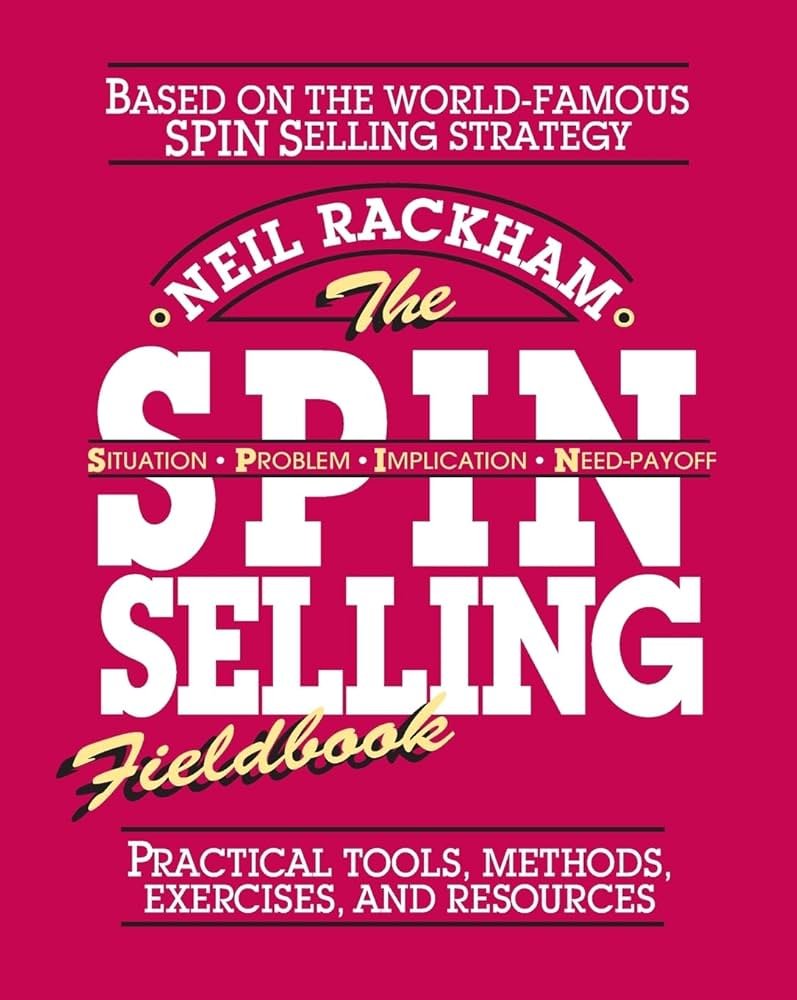
Neil Rackham’s The SPIN Selling Fieldbook is not merely a companion to his seminal SPIN Selling; it is an essential operational manual. It dissects the nuanced art of large-account sales, providing a rigorous, repeatable framework for developing advanced questioning techniques that drive complex B2B engagements. This fieldbook translates abstract sales theory into tangible, actionable strategies for any organization committed to elevating its sales force and customer interaction quality.
In addition to the insightful strategies presented in “The SPIN Selling Fieldbook” by Neil Rackham, readers may find value in exploring a related article that delves into effective sales techniques and methodologies. This article offers practical insights that complement the SPIN selling approach, providing further resources for sales professionals looking to enhance their skills. For more information, you can check out the article here: Related Article on Sales Techniques.
Key Insights
Deepening Customer Understanding for CX Excellence
Rackham’s core methodology, built around Situation, Problem, Implication, and Need-Payoff questions, isn’t just a sales technique; it’s a profound framework for understanding the customer’s world. By systematically uncovering Implications, sales professionals move beyond superficial problem-solving to exposing the cascading business impact of unresolved issues. For CX leaders, this translates directly into a proactive approach to identifying customer pain points before they escalate into churn risks. Organizations that train their teams (not just sales) in SPIN questioning will possess a superior capability to diagnose customer needs, anticipate future challenges, and tailor solutions that resonate deeply, thereby enhancing customer satisfaction and loyalty. This deeper understanding fuels more effective product development, service design, and ultimately, a more robust customer retention strategy.
Operationalizing Consultative Selling at Scale
The Fieldbook’s strength lies in its practical exercises and templates, which are designed to operationalize consultative selling. Rackham provides detailed guidance on how to plan SPIN calls, analyze conversations, and coach sales teams. This isn’t theoretical; it’s about building a muscle. For operators, this means implementing a standardized, high-quality sales process that moves beyond mere product pushing. When sales teams consistently apply the SPIN methodology, they become trusted advisors, improving sales cycle efficiency and deal velocity. From a CX perspective, this ensures a more consistent, valuable pre-sale experience, setting accurate customer expectations and reducing post-sale friction. The structured approach to call planning and debriefing also provides invaluable data for sales leadership to identify training gaps and best practices, driving continuous improvement across the organization.
Enhancing Revenue Growth Through Value Articulation
The Need-Payoff questions are particularly potent for revenue growth. By guiding the customer to articulate the value of solving their problems, the sales professional doesn’t “sell” a solution as much as they enable the customer to “buy” one. This shifts the conversation from cost to return on investment, justifying premium pricing and larger deals. For strategic leaders, this means a sales force equipped to defend value propositions against commoditization and competitor pressure. It encourages a focus on the customer’s business outcomes rather than just product features, which directly impacts revenue quality and predictability. Furthermore, by effectively demonstrating the value of addressing critical implications, sales teams can unlock budgets previously unavailable, contributing directly to top-line growth and expanding market share in competitive landscapes.
Building High-Performance Sales & CX Teams
The coaching sections within the Fieldbook are invaluable for building and scaling high-performance teams. Rackham emphasizes observational coaching and structured feedback, moving beyond anecdotal advice to data-driven improvement. This mirrors best practices in CX team leadership, where systematic performance analysis and targeted coaching are critical for service excellence. By equipping sales managers with the tools to effectively coach SPIN techniques, organizations foster a culture of continuous learning and refinement. This investment in managerial capability directly impacts sales productivity, reduces ramp-up time for new hires, and ensures a consistent, high-quality customer-facing interaction across the sales function. When CX and sales teams share this coaching rigor, it creates a powerful synergy that benefits the entire customer journey.
Practical Application
Implement a “SPIN Audit” for Sales and Customer Success Calls
Immediately begin a program where sales managers and customer success leaders regularly audit recorded calls or shadow live interactions using the SPIN framework. Provide a simple checklist: Did the rep ask effective Situation questions? Did they uncover the true Problems? Were the Implication questions deep enough to reveal significant business pain? Did they lead with Need-Payoff questions? Use this data to identify individual coaching opportunities and systemic training gaps. This will not only improve sales effectiveness but also enhance your Customer Success team’s ability to proactively identify and mitigate churn risks by truly understanding evolving customer needs and business challenges.
Develop a Cross-Functional “Problem & Implication Brainstorm”
Convene a monthly session with representatives from Sales, Customer Success, Product, and Marketing. The goal is to brainstorm common customer Problems and their potential Implications for different customer segments. This ensures that everyone understands the true business context and pain points your offerings address. This exercise can inform more compelling marketing messages, guide product roadmap development towards higher-impact solutions, and equip sales and CX teams with a deeper arsenal of questions and value propositions. It fosters a shared understanding of customer value, directly enhancing both revenue generation and customer retention efforts.
Final Verdict
Must Read: Any executive, sales leader, or strategist serious about improving complex B2B sales effectiveness, building a consultative sales culture, or enhancing customer understanding. If your organization relies on relationships and solving significant customer problems, this is non-negotiable.
Can Skip It: Organizations primarily engaged in transactional, low-complexity sales, or those unwilling to invest in rigorous sales training and coaching infrastructure. This is not a quick fix; it demands commitment.
Bottom-Line Rating: 9.5/10 – An indispensable operational guide that transforms sales theory into repeatable, high-impact practice. It’s a foundational text for building a truly customer-centric revenue engine.
In exploring effective sales techniques, Neil Rackham’s “The SPIN Selling Fieldbook” offers invaluable insights and practical tools for sales professionals. For those interested in enhancing their management skills alongside their sales strategies, a related article on “The Toyota Way: 14 Management Principles from the World’s Greatest Manufacturer” provides a comprehensive look at how systematic approaches can lead to success in various business environments. You can read more about it in this detailed review, which complements the principles found in Rackham’s work.
Unpacking the ‘Why’ Behind SPIN’s Enduring Relevance
Rackham’s SPIN Selling and its Fieldbook are not just relics of sales past; they represent a timeless understanding of human decision-making in a business context. In an age of digital transformation and abundant information, the need for a consultative approach, rather than a transactional one, has only intensified. Customers can research product features independently. What they often cannot do as effectively is fully articulate the deeper implications of their problems or quantify the value of solving them. This is precisely where a skilled SPIN practitioner becomes invaluable.
The Evolution of Buyer Behavior and SPIN’s Adaptability
Modern buyers are more informed, discerning, and skeptical than ever. They expect more than a pitch; they demand a partner who understands their business and can help them navigate complex challenges. The SPIN methodology, with its emphasis on questioning and listening, directly addresses this evolution. It positions the salesperson not as a vendor, but as an expert consultant who helps the client diagnose their own situation and arrive at a solution collaboratively. This is crucial for building long-term, high-trust relationships—the bedrock of sustained revenue growth and customer loyalty. The Fieldbook provides the granular tools to adapt these timeless principles to contemporary sales environments, whether they involve virtual meetings, complex stakeholder mapping, or integrating with CRM systems.
Beyond Sales: SPIN as a CX and Leadership Tool
While ostensibly a sales methodology, the principles embedded within SPIN have profound implications for broader organizational success, particularly in Customer Experience (CX) and leadership.
Elevating CX through Proactive Problem Solving
For CX teams, understanding the difference between a stated “problem” and its “implications” is a game-changer. A customer might report a slow website (the problem). A CX professional trained in SPIN would delve deeper: “What is the impact of that slow website on your business? How does it affect your conversion rates, customer satisfaction, or employee productivity?” (the implications). By uncovering these deeper implications, CX teams can move beyond merely fixing symptoms to addressing root causes and delivering solutions that have a quantifiable business impact for the customer. This proactive problem-solving model transforms customer service from a cost center into a value driver, directly contributing to customer retention and advocacy.
Leadership Communication and Strategic Planning
Leaders, too, can benefit immensely from adopting a SPIN-like questioning approach. When evaluating strategic initiatives, engaging with teams, or addressing organizational challenges, applying Situation, Problem, Implication, and Need-Payoff questions can lead to more robust decision-making and clearer communication. Instead of dictating solutions, leaders can guide their teams to identify problems, understand their organizational ramifications, and collaboratively arrive at optimal solutions. This fosters empowerment, promotes critical thinking, and ensures that strategic decisions are rooted in a comprehensive understanding of current realities and desired outcomes.
The Role of Coaching in Mastering SPIN
The Fieldbook‘s dedication to coaching is a critical element that often goes overlooked in sales methodology discussions. Rackham understands that theory without application is sterile. He provides detailed frameworks for managers to observe, analyze, and provide constructive feedback on sales conversations. This isn’t just about telling reps what to do; it’s about developing their cognitive skills to ask the right questions at the right time. For executives looking to build a truly high-performing organization, investing in management’s coaching capabilities using frameworks like those in the Fieldbook is paramount. This ensures that the learned skills are not just adopted but mastered, becoming an intrinsic part of the sales and customer interaction DNA.
Conclusion: A Strategic Investment in Human Capital
In essence, The SPIN Selling Fieldbook is more than a guide to sales; it’s an investment in human capital. It equips individuals with the ability to think critically, listen deeply, and communicate value effectively. For executives, operators, and strategists, this means fostering an organizational capability that transcends departmental silos, leading to better customer relationships, more effective problem-solving, and ultimately, sustainable revenue growth. Its methodical approach, practical exercises, and focus on continuous improvement make it an evergreen resource for any leader committed to elevating their organization’s engagement with its most critical asset: the customer.
FAQs
What is the SPIN Selling Fieldbook about?
The SPIN Selling Fieldbook by Neil Rackham is a practical guide that provides tools, methods, exercises, and resources for implementing the SPIN (Situation, Problem, Implication, Need-payoff) selling technique in real-world sales situations.
Who is the author of the SPIN Selling Fieldbook?
The SPIN Selling Fieldbook is written by Neil Rackham, a renowned sales expert and author of the best-selling book “SPIN Selling.” Rackham is known for his research-based approach to sales and has trained sales professionals around the world.
What are some key takeaways from the SPIN Selling Fieldbook?
Some key takeaways from the SPIN Selling Fieldbook include practical strategies for conducting effective sales conversations, identifying customer needs, handling objections, and closing sales. The book also provides exercises and resources for sales professionals to apply the SPIN selling technique in their day-to-day work.
Who is the target audience for the SPIN Selling Fieldbook?
The SPIN Selling Fieldbook is targeted towards sales professionals, sales managers, and anyone involved in the sales process. It is designed to provide practical tools and methods for improving sales performance and achieving better results.
Where can I find the SPIN Selling Fieldbook?
The SPIN Selling Fieldbook is available for purchase online and at major book retailers. It is also available in e-book and audiobook formats for those who prefer digital versions.